English
 Français
 عربى
عربى
A technical evaluation of high-performance Curtain Rings has identified the critical role of material composite engineering and surface geometry in achieving frictionless, noise-free operation in residential and commercial environments. By analyzing the structural integrity of ABS plastic and zinc alloy variants, alongside advanced internal linings, this report details how specialized Standard Curtain Rings provide a durable and versatile solution for modern window treatments.
Material Engineering: ABS Plastic and Zinc Alloy Foundations
The performance of professional-grade Curtain Rings is fundamentally dictated by the choice of base material, often selected based on the specific load requirements and environmental factors of the installation site.
ABS Plastic Variants
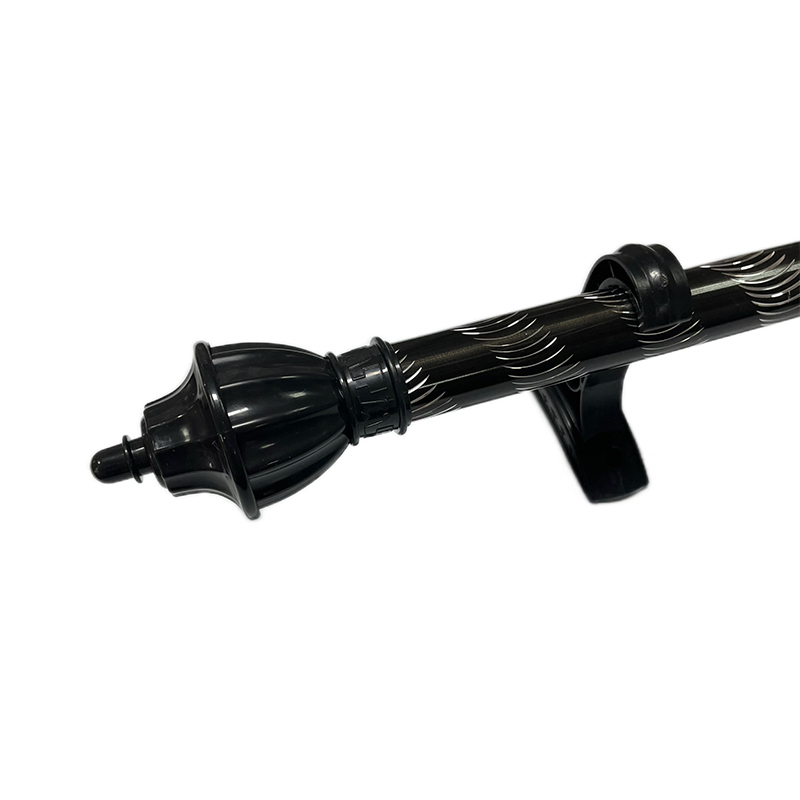
Engineered ABS (Acrylonitrile Butadiene Styrene) is frequently utilized for its high impact resistance and lightweight properties. These rings are typically available in matte white or classic black finishes. The technical advantage of ABS lies in its natural chemical stability and smooth surface finish, which minimizes the coefficient of friction against curtain rods.
Zinc Alloy Variants
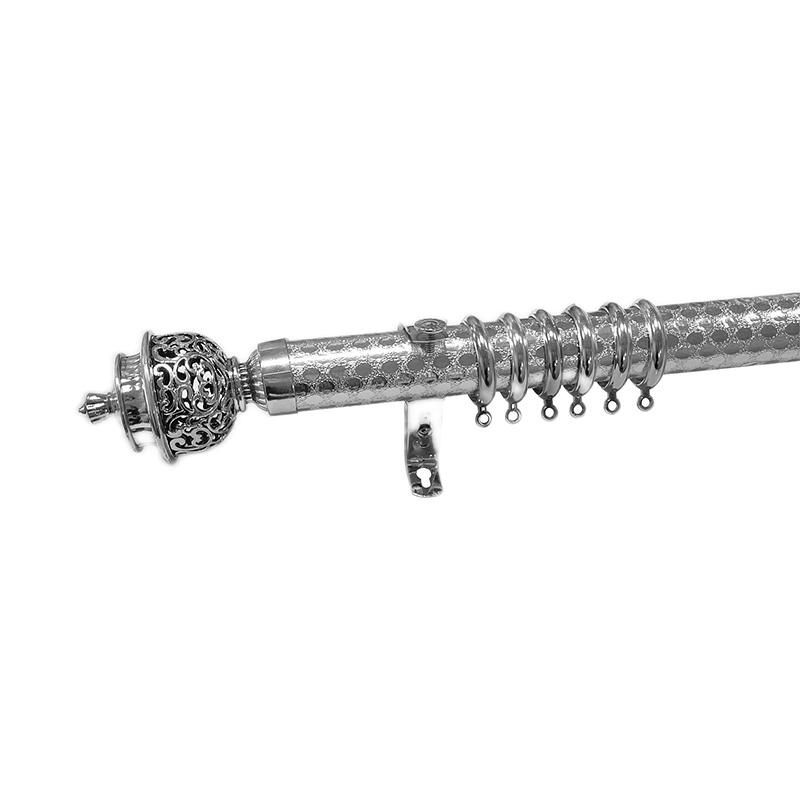
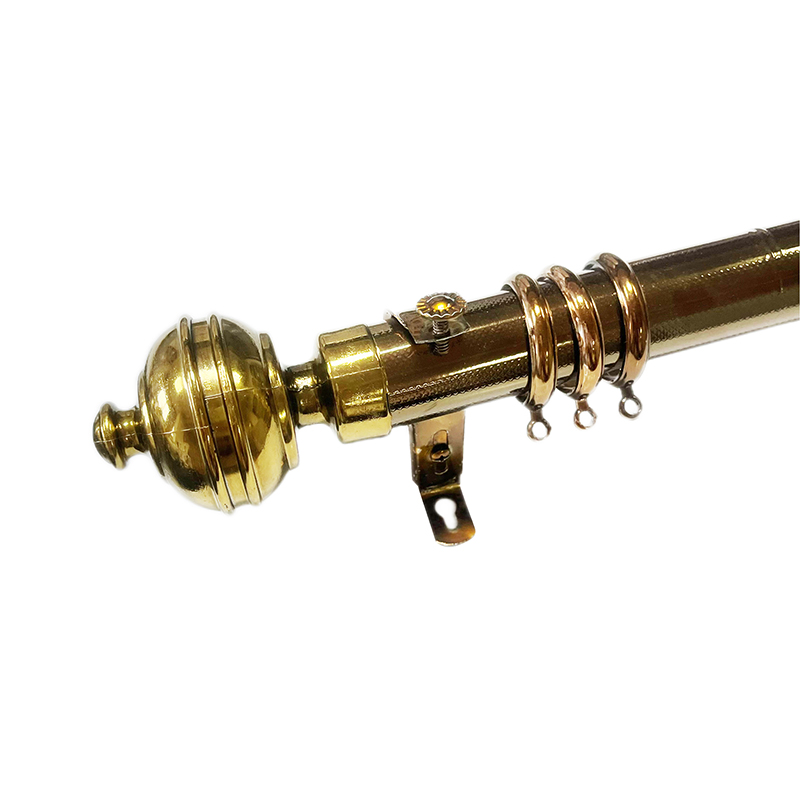
For high-load applications or luxury settings requiring a metallic silver aesthetic, zinc alloy is the preferred choice. Zinc alloy provides superior tensile strength and a premium weighted feel. During the manufacturing process, these rings are often treated with anti-corrosion coatings to ensure longevity. Technical maintenance for metal variants includes periodic screw tightening and the application of anti-rust coatings, especially when deployed in humid areas.
Design Features: Optimizing Smoothness and Silence
The mechanical design of a Standard Curtain Ring extends beyond a simple circular form, incorporating several high-precision features to ensure curtain longevity and operational stability.
Friction Reduction and Fabric Protection
A core technical requirement is the implementation of smooth, rounded edges. This prevents fabric snagging, which is essential for protecting delicate curtain materials over long-term use. Furthermore, the internal geometry is often fitted with a wear-resistant nylon track or a silent silicone ring. These linings act as a buffer between the ring and the rod, effectively eliminating the metal-on-metal or plastic-on-metal scraping noise, resulting in a noisefree sliding experience.
Structural Versatility and 360° Movement
To accommodate modern architectural requirements, these rings feature a 360° swivel joint. This mechanical articulation allows the ring to fit seamlessly with U-shaped rods, traverse rods, and other complex track systems. The reinforced structure is designed to withstand the repetitive mechanical stress of daily use without deforming, ensuring the hook-style or rod pocket curtains remain securely attached.
Technical Specifications and Material Performance
The following table summarizes the key technical attributes of the professional Curtain Rings series:
|
Technical Property |
ABS Plastic Specification |
Zinc Alloy Specification |
Operational Benefit |
|---|---|---|---|
|
Primary Material |
Acrylonitrile Butadiene Styrene |
High-Grade Zinc Alloy |
Choice of weight and durability |
|
Internal Lining |
Silent Silicone / Nylon |
Wear-Resistant Nylon |
Noise reduction and smooth glide |
|
Swivel Mechanism |
360° Integrated Joint |
360° Reinforced Joint |
Fits U-shaped and traverse rods |
|
Surface Finish |
Matte White / Classic Black |
Metallic Silver / Polished |
Aesthetics and scratch resistance |
|
Edge Geometry |
Precision Rounded |
Die-Cast Polished |
Prevents fabric snagging |
|
Load Capacity |
Standard Duty |
Heavy-Duty Reinforced |
Supports various curtain weights |
Applications and Ideal Settings
The Standard Curtain Rings are engineered as core hardware for hanging curtains where smooth operation is a primary requirement. Their design makes them compatible with both hook-style and rod pocket curtains, offering a versatile setup for various interior designs.
Deployment Scenarios
The technical reliability of these components makes them ideal for:
Residential Spaces: Bedrooms and general living spaces where silent operation is prioritized for comfort.
Commercial and Shared Spaces: Offices, apartments, and dormitories where high-frequency use demands a reinforced structure and low-maintenance materials.
Maintenance and Long-Term Stability
To maintain the smooth operation of the hardware, specific maintenance protocols are recommended based on the material type:
Plastic Components: Should be wiped with a damp cloth to remove dust buildup. It is technically advisable to avoid direct, prolonged sunlight to prevent UV-induced polymer degradation.
Metal Components: In addition to cleaning, the mechanical fasteners should be checked periodically. In environments with high moisture, the application of protective coatings is essential to maintain the metallic silver finish and structural integrity.
The engineering behind modern Curtain Rings focuses on the synergy between durable base materials and silent internal linings. By integrating 360° swivel joints and reinforced structures, these components provide a technically sound solution for diverse window treatment systems, ensuring stability and silence in every movement.