English
 Français
 عربى
عربى
What Makes Aluminum Curtain Rods Unique?
Aluminum curtain rods are manufactured from extruded aluminum alloy (typically 6063 or similar) which is lightweight, non‑rusting, and easy to finish. The extrusion process allows complex cross‑sectional shapes – round, oval, square, or decorative profiles – with smooth surfaces ready for anodizing or powder coating. Unlike steel rods, aluminum will not corrode even in humid bathrooms or coastal climates. Unlike wood, aluminum does not warp, crack, or require periodic sealing. At the same time, aluminum offers excellent strength‑to‑weight ratio: a 1‑inch diameter aluminum rod can support heavy curtains while being easy to handle during installation.
Why Aluminum Curtain Rods Are Superior to Other Materials
Exceptional Corrosion Resistance
Aluminum naturally forms a protective oxide layer that prevents rust. This makes aluminum curtain rods ideal for bathrooms, kitchens, laundry rooms, and any space with high humidity. They are also perfect for coastal homes where salt air destroys steel rods within months. Unlike painted steel rods that chip and then rust, anodized aluminum remains intact even if scratched – the oxide layer self‑repairs to some extent. For longevity, aluminum is unmatched among metal curtain rods.
Lightweight Yet Strong
Aluminum weighs about one‑third as much as steel. This makes installation much easier: you don’t need heavy wall anchors or multiple helpers. For long spans (e.g., sliding glass doors or bay windows), aluminum rods are less likely to sag under their own weight. Yet a well‑designed aluminum rod with appropriate wall thickness can support heavy drapes, including blackout curtains or velvet panels. Many commercial rods are made from aluminum for this reason.
Wide Range of Finishes and Styles
Aluminum takes finishes beautifully. Common options include:
- Anodized – brushed silver, champagne, bronze, or black. Anodizing is durable and will not peel.
- Powder coated – unlimited color choices, including matte white, satin nickel, oil‑rubbed bronze, and custom colors.
- Painted – economical option for basic white or black rods.
- Wood‑grain finish – foil or laminate that mimics oak, walnut, or mahogany.
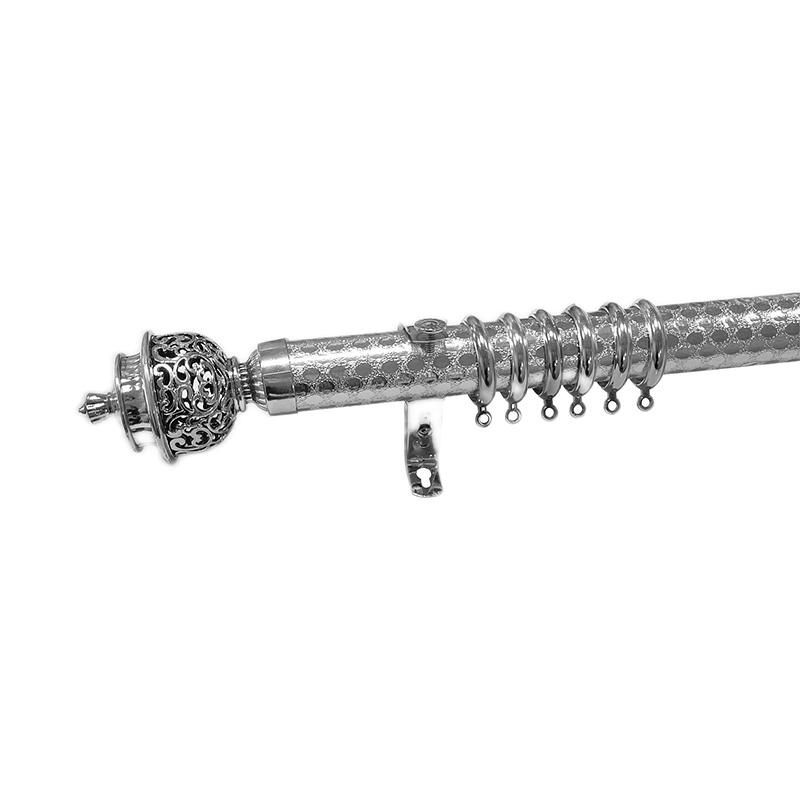
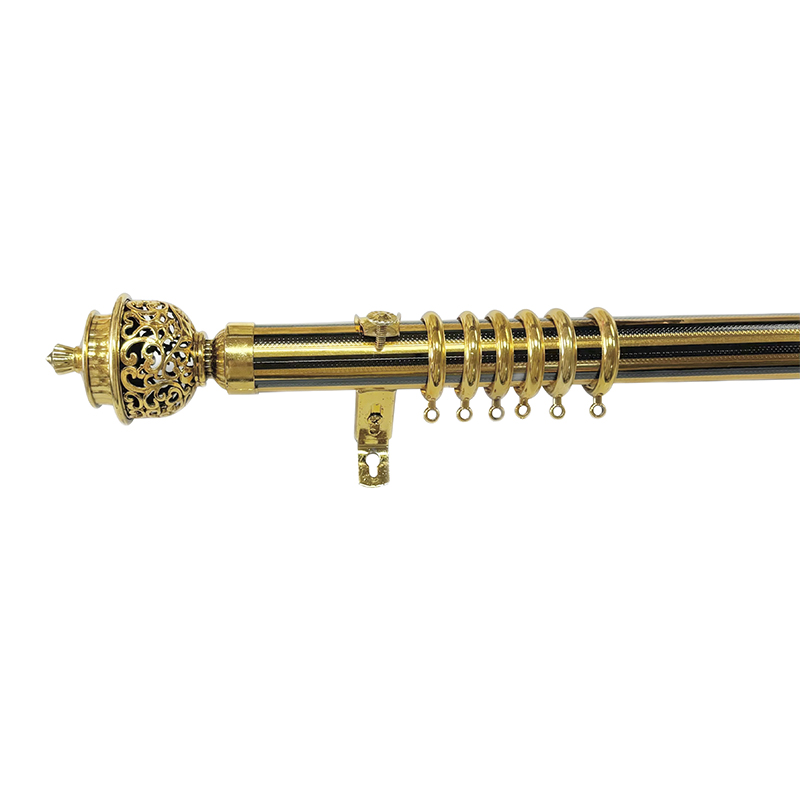
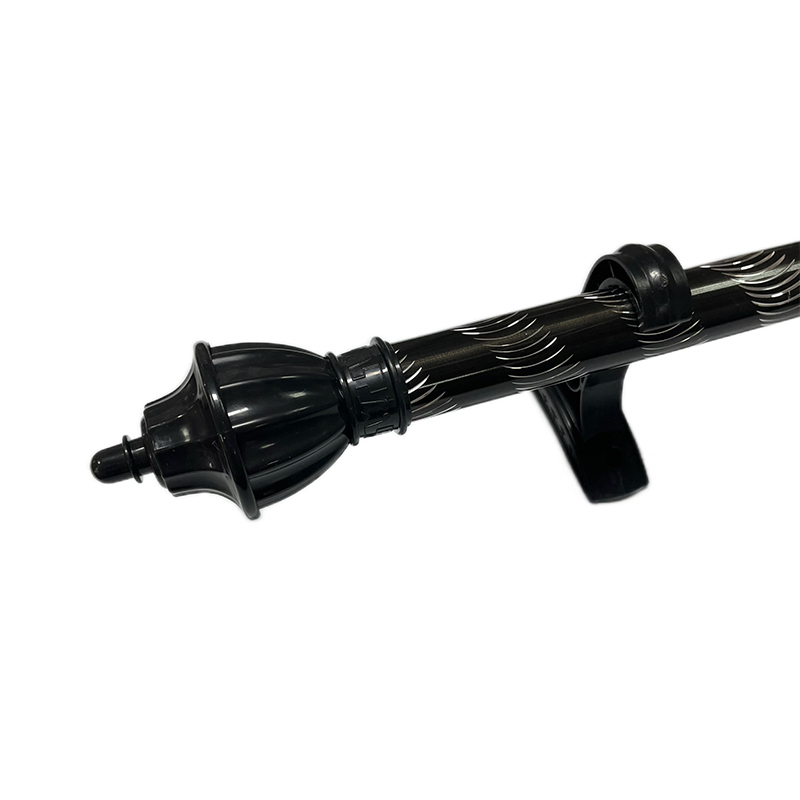
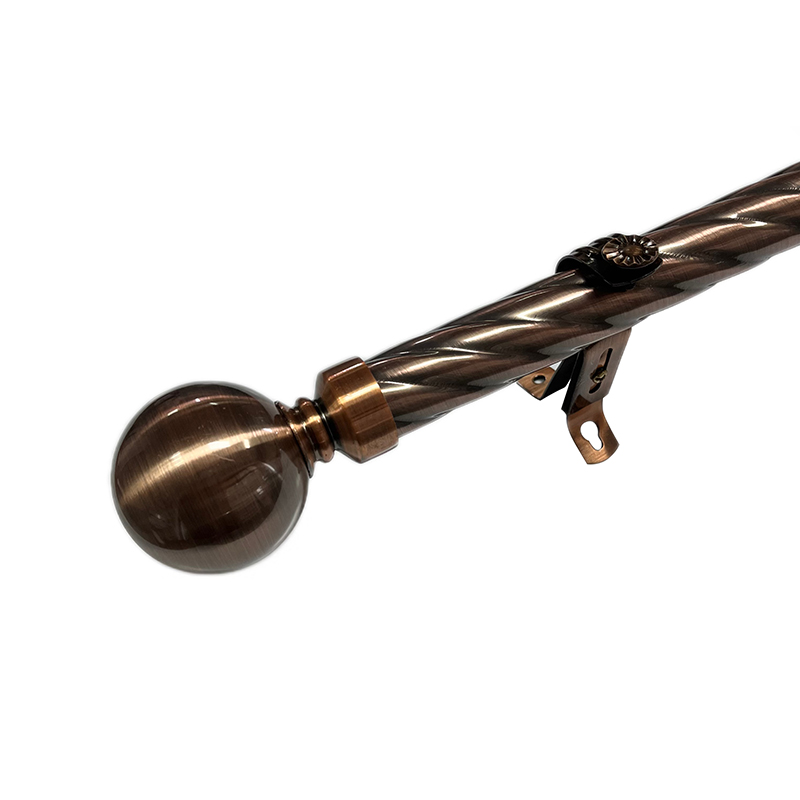
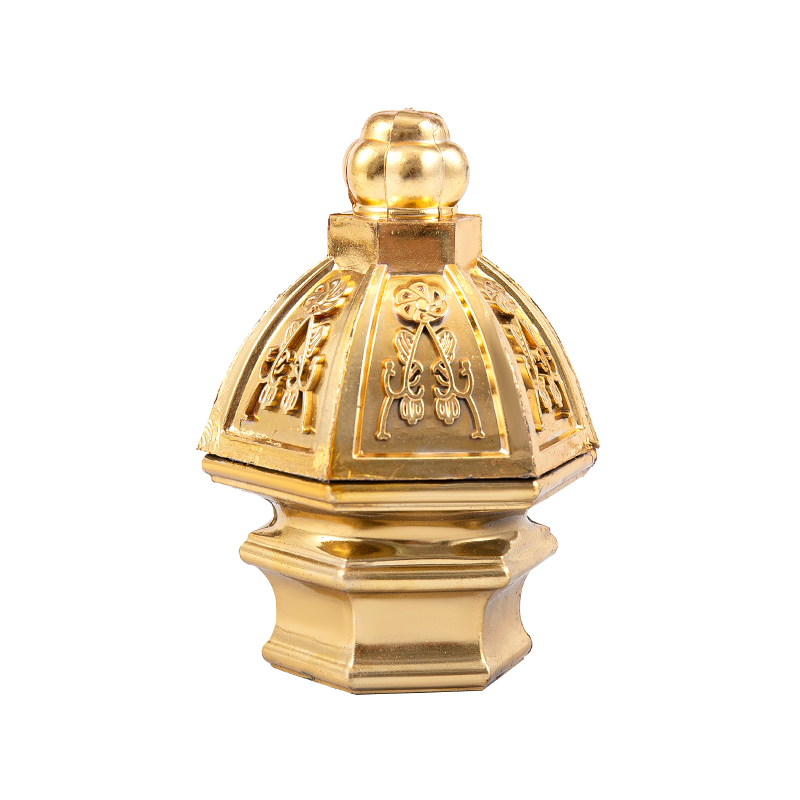
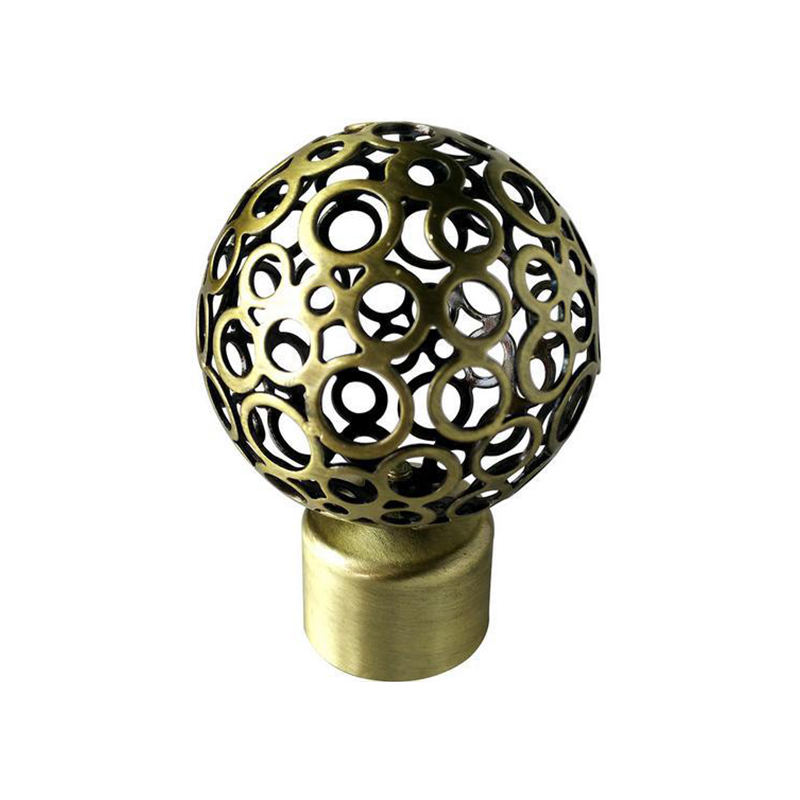
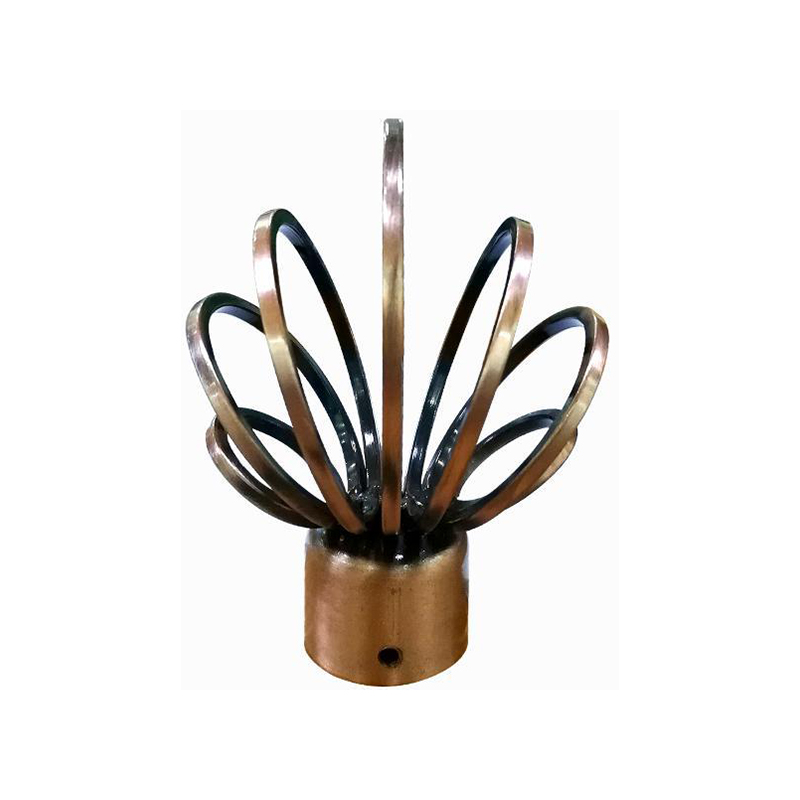
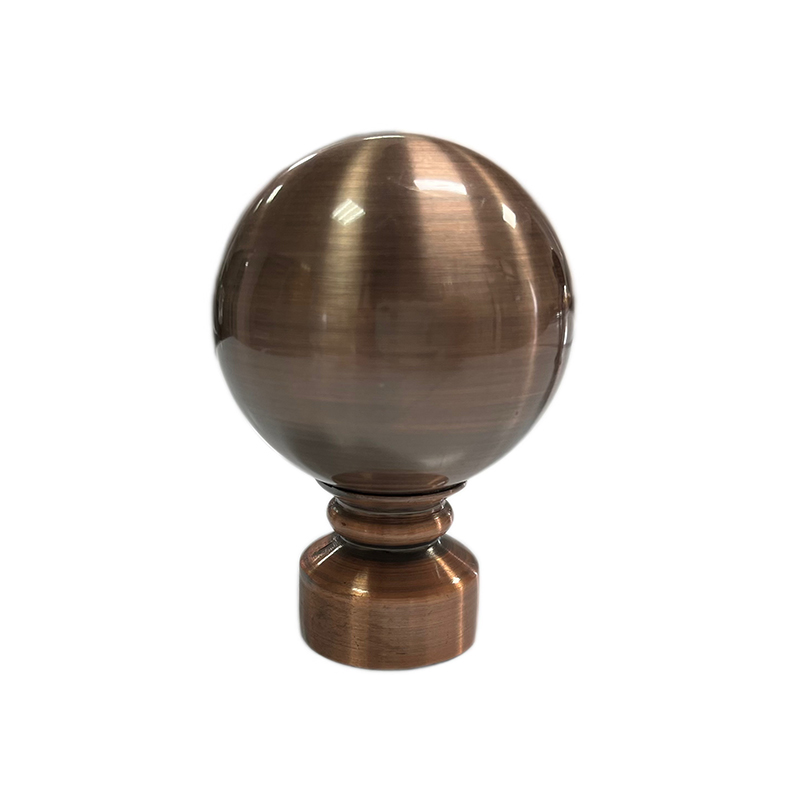
Aluminum can also be machined into decorative finials (end caps) and brackets, including contemporary geometric shapes, traditional scrolls, or simple spheres.
Cost‑Effective and Low Maintenance
Aluminum curtain rods are moderately priced – generally less than decorative wrought iron and far less than solid brass. They require no painting, staining, or sealing. Cleaning is simple: wipe with a damp cloth. Unlike wood rods that may need repainting after a few years, an anodized or powder‑coated aluminum rod will look good for decades.
Key Technical Parameters of Aluminum Curtain Rods
| Parameter | Typical Description |
|---|---|
| Material | 6063 or 6061 aluminum alloy (extruded) |
| Diameter options | 16mm (5/8″), 19mm (3/4″), 25mm (1″), 28mm (1‑1/8″), 32mm (1‑1/4″) |
| Wall thickness | 1.0mm to 2.0mm (heavier for longer spans) |
| Standard lengths | 36″ – 144″ (91cm – 366cm); telescoping or cut‑to‑length |
| Finish types | Anodized (clear, bronze, black), powder coat, painted, wood grain |
| Maximum load (center support) | Depends on diameter and wall thickness; 10‑30 lbs (4.5‑13.5 kg) typical |
| Bracket material | Aluminum, steel with powder coat, or zinc alloy |
| Finial material | Aluminum (most common), steel, acrylic, or wood |
| Corrosion rating | Excellent (salt spray tested >500 hours for anodized) |
Types of Aluminum Curtain Rods
Standard Single Rods
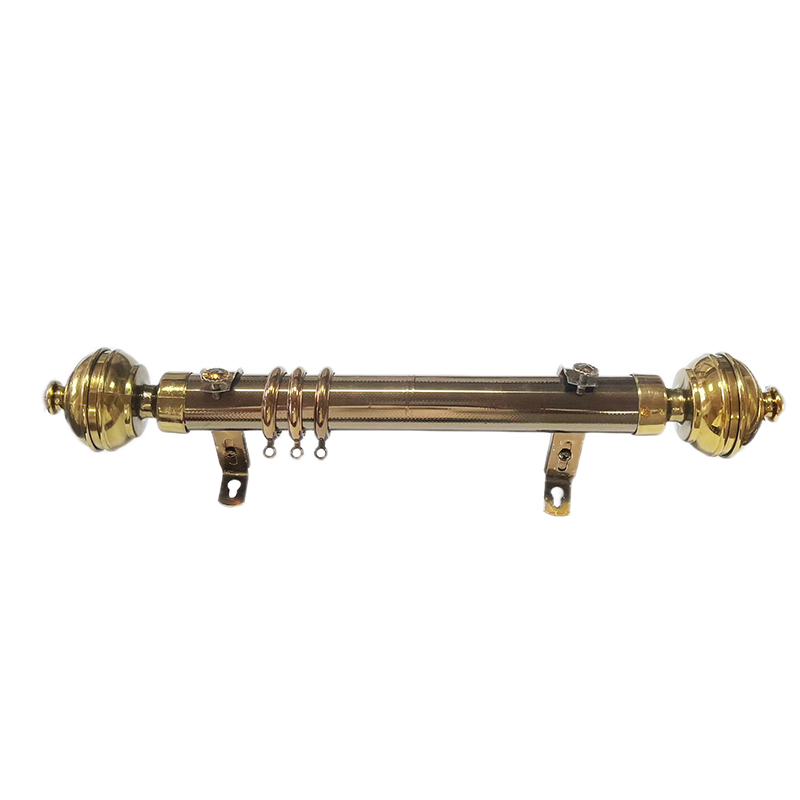
The most common type: a single rod mounted on two or three brackets. Used for one layer of curtains (sheer, blackout, or decorative). Available in telescoping (adjustable length) or fixed lengths. Telescoping rods are convenient for DIY installation because you can extend to exactly fit your window width without cutting.
Double (Traverse) Rods
Two parallel aluminum rods on shared brackets, allowing two layers of curtains – typically a sheer inner layer and an opaque outer layer. Double rods are ideal for living rooms and bedrooms where you want privacy and light control options. The front rod is often larger diameter (1″) and the rear rod smaller (5/8″).
Wrap‑Around (Return) Rods
These rods extend beyond the window frame and curve back toward the wall at both ends. This design completely blocks light from escaping around the sides, making them excellent for bedrooms or home theaters. Aluminum wrap‑around rods are lightweight and easy to install on drywall or wood frames.
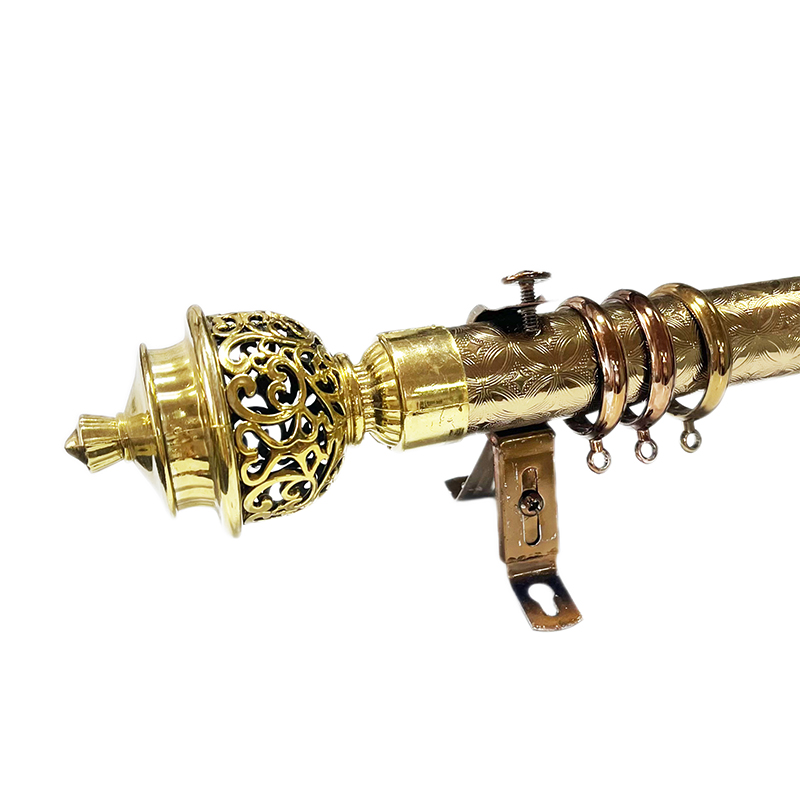
Decorative Aluminum Rods with Finials
For living rooms and formal spaces, decorative rods feature ornate finials (end caps) and decorative brackets. Aluminum can be cast or machined into finials that mimic wrought iron, wood, or crystal. Powder coating provides a rich, consistent color. These rods support heavier drapes while adding architectural interest.
How to Choose the Right Aluminum Curtain Rod
Measure Your Window and Determine Span
First, measure the width of your window frame. For a standard mount, the rod should extend 3‑6 inches beyond the window frame on each side, allowing the curtains to clear the glass and let in maximum light when open. For a full‑wall installation, measure the entire wall. Then, select a rod length that covers the span. For spans longer than 96 inches (8 feet), consider a rod with a center support bracket to prevent sagging.
Choose Diameter Based on Curtain Weight
Light curtains (sheer, lace, lightweight cotton): 16mm (5/8″) diameter is sufficient. Medium curtains (polyester, lined drapes): 19‑25mm (3/4″‑1″). Heavy curtains (velvet, thermal blackout, multiple layers): 28‑32mm (1‑1/8″‑1‑1/4″). For extra‑long spans or very heavy drapes, look for rods with a wall thickness of 1.5mm or more.
Select the Right Finish and Style
For a modern look, choose matte black, brushed nickel, or white aluminum rods with simple cylindrical finials. For traditional decor, consider rods with decorative finials (ball, spear, or acorn) in bronze or champagne anodized finish. For coastal or farmhouse style, oil‑rubbed bronze or weathered wood‑grain finishes work well. Always order a sample or check the rod in person – anodized finishes have a subtle metallic sheen, while powder coat provides a uniform matte or gloss texture.
Bracket and Hardware Considerations
Most aluminum rods come with matching brackets. Ensure the brackets project far enough from the wall to clear window handles, blinds, or other obstructions – typically 3‑4 inches. For heavy loads, use brackets with metal wall anchors and mount them into studs whenever possible. For drywall only, use heavy‑duty toggle bolts. Ceiling‑mount brackets are available for floor‑to‑ceiling curtains or for installations where wall mounting is not possible.
Installation Guide for Aluminum Curtain Rods
Before drilling, hold the rod against the wall to verify the height. Standard curtain rod height is 2‑4 inches above the window frame, but you can mount higher to make the ceiling appear taller. Mark bracket positions with a pencil, ensuring they are level. Drill pilot holes, insert wall anchors (for drywall) or screw directly into studs. Attach brackets. For telescoping rods, extend to the desired length and tighten the set screws. Slide curtain rings or grommets onto the rod. Place the rod onto the brackets, then tighten any locking screws. Add finials. Finally, hang the curtains and adjust the rod position if necessary. For heavy curtains, test the rod by gently pulling on the center – there should be minimal deflection.
Maintenance and Longevity
Aluminum curtain rods require very little maintenance. Dust occasionally with a soft cloth. For deeper cleaning, use mild soap and water; avoid abrasive cleaners that can scratch anodized surfaces. Check bracket screws annually and tighten if loose. If the rod is in a high‑humidity environment (bathroom), wipe off any condensation periodically. Powder‑coated finishes are durable but can be scratched by sharp objects; touch‑up paint is available from the manufacturer. With basic care, an aluminum curtain rod will last indefinitely – many homeowners transfer them to new windows when redecorating.
Applications: Where Aluminum Curtain Rods Excel
Bathrooms and kitchens – humidity and occasional splashes cause steel rods to rust, but anodized aluminum remains perfect. Coastal homes – salt air destroys most metals, but aluminum’s corrosion resistance is a game‑changer. Sliding glass doors – long spans (up to 12 feet) are manageable with aluminum rods because they are lightweight and can be supported at multiple points. Children’s rooms – the light weight means less risk of injury if a child pulls on the curtains. Commercial spaces – hotels, offices, and retail stores choose aluminum for its durability, clean appearance, and cost‑effectiveness. Rental properties – landlords appreciate that aluminum rods don’t rust or warp, reducing maintenance calls.
Common Issues and Solutions
Rod Sags in the Middle
Add a center support bracket. For very long spans (over 10 feet), consider upgrading to a thicker wall (2mm) or larger diameter (32mm). Also ensure the brackets are securely anchored into studs, not drywall alone.
Curtains Do Not Slide Smoothly
Use quality curtain rings with ball bearings or smooth nylon inserts. Clean the rod surface with a silicone‑based lubricant (never oil, which attracts dust). Check that the rod is perfectly level.
Brackets Pull Out of Drywall
Use heavy‑duty toggle bolts (e.g., SnapToggle or Toggler) instead of plastic anchors. Better yet, reposition the bracket to hit a stud.
Discoloration on Anodized Finish
Anodized aluminum can develop white spots (white rust) if exposed to harsh alkaline cleaners. Clean with mild vinegar solution and rinse. Prevent future exposure by avoiding bleach‑based sprays.