English
 Français
 عربى
عربى
Selecting the optimal hardware for window treatments requires a technical understanding of metallurgical properties, surface friction, and load-bearing capacities. The decision often centers on whether to utilize a PVC wrapped Curtain Rod, an Aluminum Curtain Rod, or an Iron Curtain Rod. Each material offers a distinct set of mechanical advantages depending on the weight of the drapes, the humidity of the installation environment, and the required aesthetic finish. While an Iron Curtain Rod provides the ultimate tensile strength for heavy-duty applications, an Aluminum Curtain Rod offers a lightweight, rust-proof alternative. Meanwhile, a PVC wrapped Curtain Rod introduces a hybrid solution that combines the rigidity of a metal core with the chemical resilience of a polymer exterior. This report analyzes the structural integrity, surface engineering, and operational longevity of these three primary curtain rod materials.
How Do the Tensile Strength and Deflection Limits of an Iron Curtain Rod, Aluminum Curtain Rod, and PVC wrapped Curtain Rod Compare Under High Loads?
The primary mechanical function of any Curtain Rod is to resist the vertical force of the fabric without suffering from permanent deformation or "sagging." This resistance is a product of the material's modulus of elasticity and the cross-sectional geometry of the tube.
-
Structural Rigidity of the Iron Curtain Rod: The Iron Curtain Rod (often constructed from carbon steel or wrought iron) is the industrial benchmark for strength. Due to its high density and crystalline structure, it possesses a high modulus of elasticity, allowing it to span wide window openings—sometimes up to 120 inches—without the immediate necessity of a center support bracket. In engineering terms, iron resists deflection more effectively than aluminum. This makes the Iron Curtain Rod the mandatory choice for heavy, floor-to-ceiling thermal blackout curtains or velvet drapes that can exceed 30 lbs in weight. The wall thickness of these rods is typically calibrated to ensure that even under dynamic loads (such as pulling the curtains), the rod remains perfectly horizontal.
-
The Weight-to-Strength Ratio of the Aluminum Curtain Rod: An Aluminum Curtain Rod is significantly lighter than iron, which reduces the stress on wall anchors and plasterboard. However, aluminum has a lower modulus of elasticity, meaning it is more prone to bending if overloaded. To compensate for this, engineers often utilize 6063-T5 series aluminum alloys and increase the diameter of the rod. The primary advantage of an Aluminum Curtain Rod is its inherent flexibility and "spring-back" memory; while it may flex slightly under a heavy load, it is less likely to suffer from the brittle fracture points sometimes associated with low-grade cast iron. It is the ideal choice for medium-weight drapes in modern architectural settings.
-
The Composite Integrity of the PVC wrapped Curtain Rod: A PVC wrapped Curtain Rod is typically a hybrid structure consisting of a thin-walled steel or aluminum inner core encased in a high-density polyvinyl chloride (PVC) sheath. This design aims to combine the structural "backbone" of metal with the impact resistance of plastic. The PVC layer acts as a dampening agent, absorbing the vibrations caused by curtain rings sliding across the surface. While the core provides the necessary tensile strength to prevent sagging, the outer wrap ensures that the rod does not suffer from surface denting. This makes the PVC wrapped Curtain Rod a highly durable option for high-traffic residential areas where curtains are opened and closed frequently.
|
Technical Property |
Iron Curtain Rod (High-Tensile) |
Aluminum Curtain Rod (6063) |
PVC wrapped Curtain Rod |
|---|---|---|---|
|
Material Base |
Carbon Steel / Wrought Iron |
Extruded Aluminum Alloy |
Metal Core + PVC Sheath |
|
Tensile Strength |
400 - 550 MPa |
200 - 250 MPa |
300+ MPa (Core dependent) |
|
Corrosion Resistance |
Requires Coating (Powder/Paint) |
Excellent (Natural Oxide) |
Superior (Polymer Shield) |
|
Weight per Meter |
Heavy (~1.2 kg) |
Light (~0.45 kg) |
Medium (~0.75 kg) |
|
Typical Finish |
Matte Black / Oil-Rubbed |
Anodized / Satin Silver |
Wood Grain / Solid Color |
|
Max Span (No Support) |
2.5 Meters |
1.8 Meters |
2.0 Meters |
Why Are Surface Friction and Corrosion Resistance Essential for the Operational Life of an Aluminum Curtain Rod and a PVC wrapped Curtain Rod?
Beyond structural support, the longevity of a Curtain Rod depends on its ability to withstand environmental moisture and the mechanical abrasion of sliding rings.
-
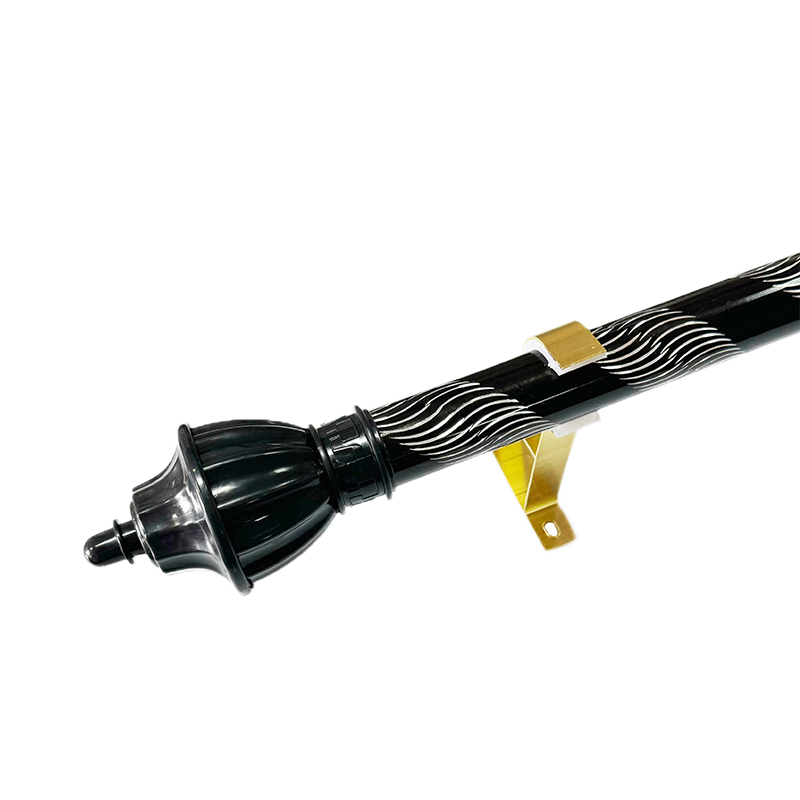
Electrochemical Stability and the Aluminum Curtain Rod: The most significant advantage of an Aluminum Curtain Rod is its chemical passivity. Aluminum naturally forms a thin, transparent layer of aluminum oxide that prevents further oxidation. In humid environments, such as bathrooms or coastal homes, an Aluminum Curtain Rod will not rust or "pit." Furthermore, many aluminum rods are anodized—a process that thickens this oxide layer and makes it harder than the base metal. This surface hardness reduces friction, allowing curtain rings to glide with minimal effort and preventing the "screeching" sound often associated with metal-on-metal contact.
-
The Protective Barrier of a PVC wrapped Curtain Rod: The PVC wrapped Curtain Rod is specifically engineered to solve the problem of galvanic corrosion. Since the metal core is completely sealed within the polymer wrap, it is shielded from oxygen and moisture. This makes it virtually immune to "tea staining" or rust, even in poorly ventilated rooms. From an operational standpoint, the PVC surface is naturally "slick." This low coefficient of friction ensures that fabric loops or rings slide smoothly without catching on the rod. The wrap also provides an extra layer of UV protection, ensuring that the rod does not become brittle or discolored when exposed to direct sunlight through the window.
-
Maintenance and Coating Longevity of the Iron Curtain Rod: To prevent oxidation, an Iron Curtain Rod must be treated with specialized coatings, such as electrostatic powder coating or electroplating (e.g., nickel or brass). While these finishes are highly durable, they can eventually wear down at the "gliding points" where the rings make contact. For an Iron Curtain Rod to maintain its operational life, it requires a high-quality topcoat that can resist the scratching force of metal rings. Engineers often recommend using rings with internal plastic liners to protect the iron's finish and ensure a quiet operation, whereas the PVC wrapped Curtain Rod and Aluminum Curtain Rod are inherently better suited for direct ring contact.
How Do Installation Requirements and Aesthetic Customization Differ Between These Curtain Rod Materials?
The final factor in determining which Curtain Rod is best involves the ease of installation and the ability of the material to match the architectural style of the space.
-
Ease of Handling and the Aluminum Curtain Rod: Because of its lightweight nature, the Aluminum Curtain Rod is the easiest to install, especially for DIY projects. It can be easily cut to size with a standard hacksaw, and its low mass means it requires less heavy-duty wall anchoring. Modern aluminum extrusion allows for "c-track" profiles where the gliders are hidden inside the rod, providing a minimalist look that is difficult to achieve with a standard round Iron Curtain Rod. This makes it the preferred material for contemporary, "invisible" window treatments.
-
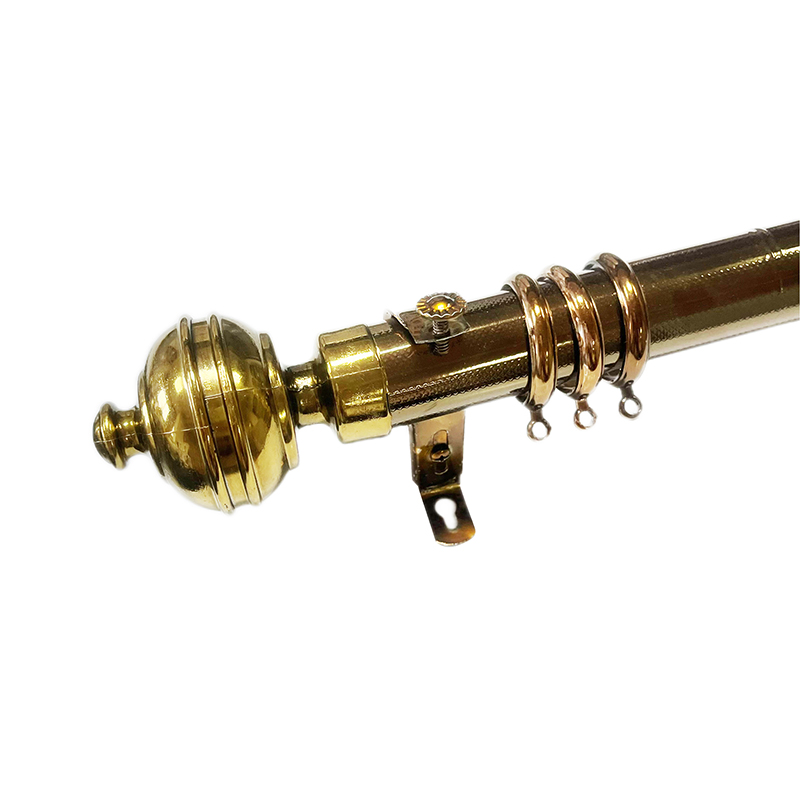
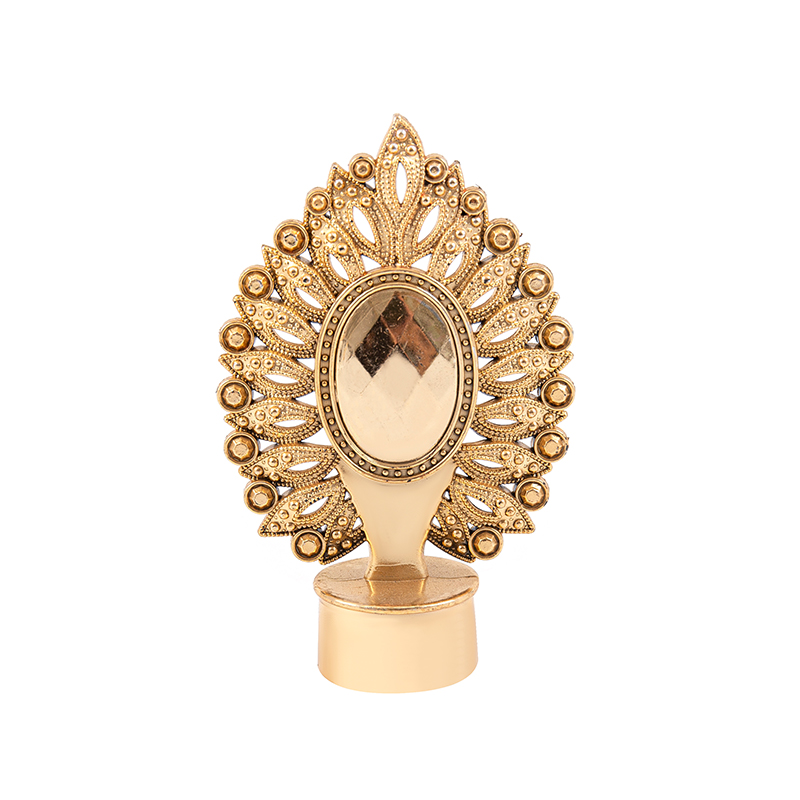
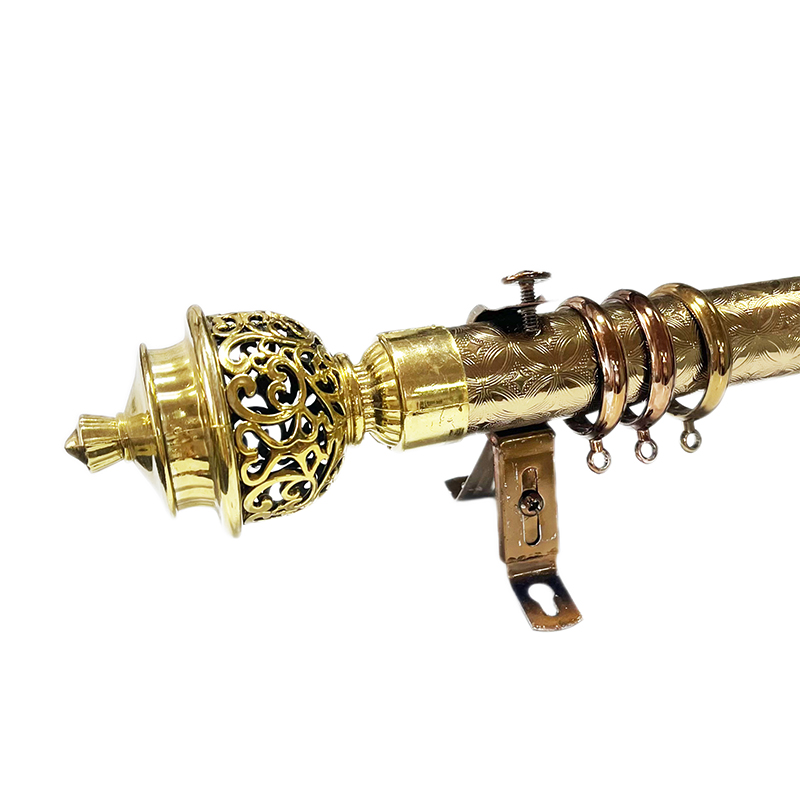
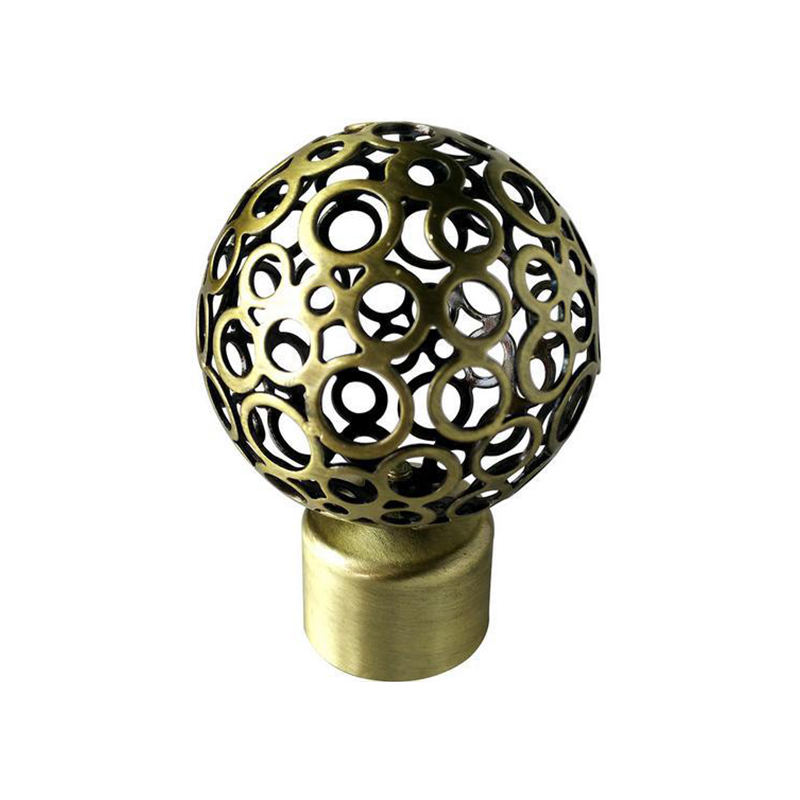
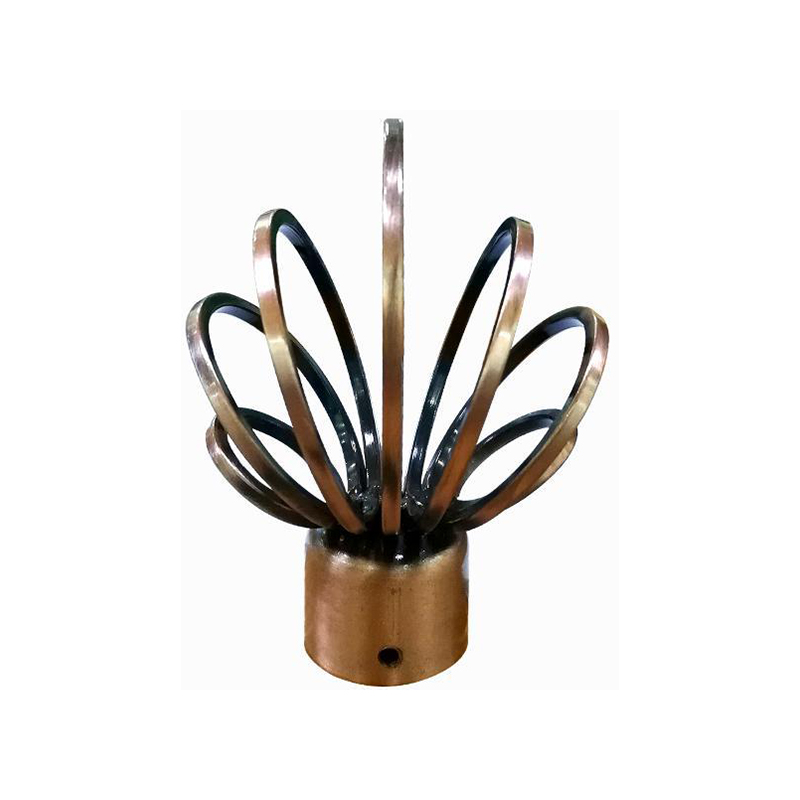
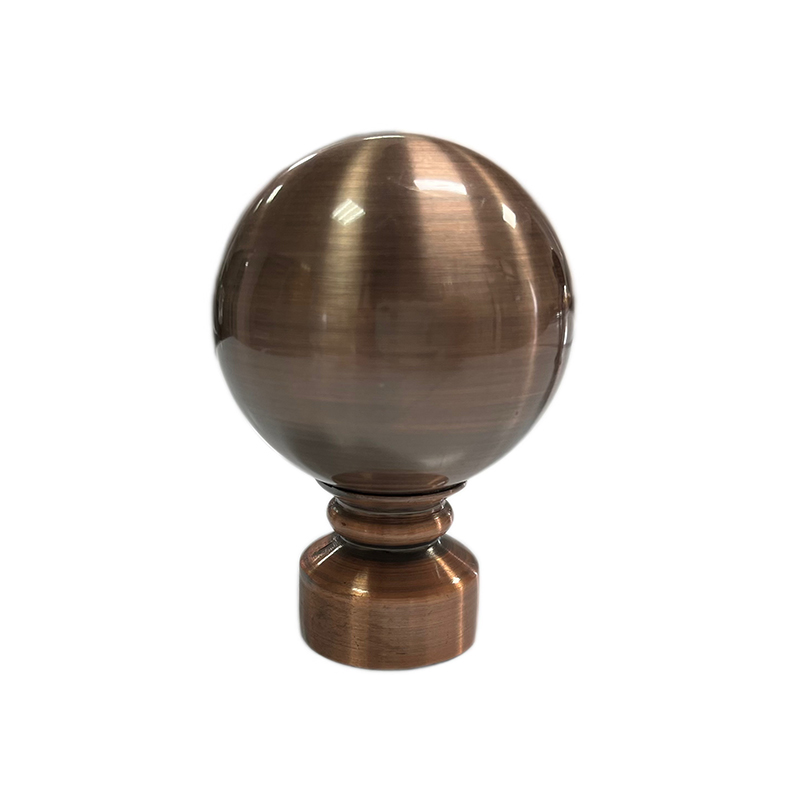
Bespoke Craftsmanship and the Iron Curtain Rod: The Iron Curtain Rod is unrivaled in its ability to support decorative "finials"—the end caps that define the rod's style. Since iron can be forged and welded, it allows for intricate designs, from traditional fleur-de-lis to modern geometric shapes. The weight of these finials is easily supported by the iron's rigidity. For luxury interiors where the hardware is intended to be a visual statement piece, the Iron Curtain Rod provides a sense of "heft" and authenticity that lightweight materials cannot replicate.
-
Versatility and Texture of the PVC wrapped Curtain Rod: A PVC wrapped Curtain Rod offers the widest range of surface textures. Because the PVC can be embossed during the extrusion process, these rods can mimic the appearance of natural wood grain, leather, or brushed metal without the maintenance requirements of those materials. This allows homeowners to achieve a "warm" wooden look for their Curtain Rod while maintaining the strength of a metal core. Additionally, the PVC wrap acts as a protective buffer during shipping and installation, reducing the risk of the rod being scratched before it is even mounted on the wall.
By evaluating the specific needs of the window—considering the drape weight, the local climate, and the desired visual impact—it becomes clear that while the Iron Curtain Rod is the king of strength, the Aluminum Curtain Rod and PVC wrapped Curtain Rod offer superior specialized solutions for modern durability and ease of use.