English
 Français
 عربى
عربى
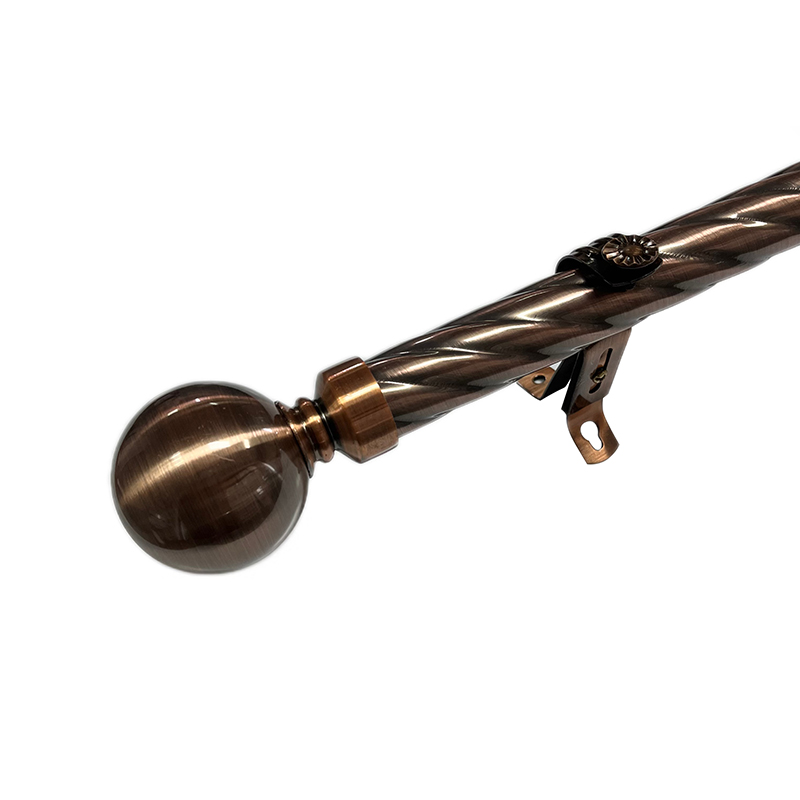
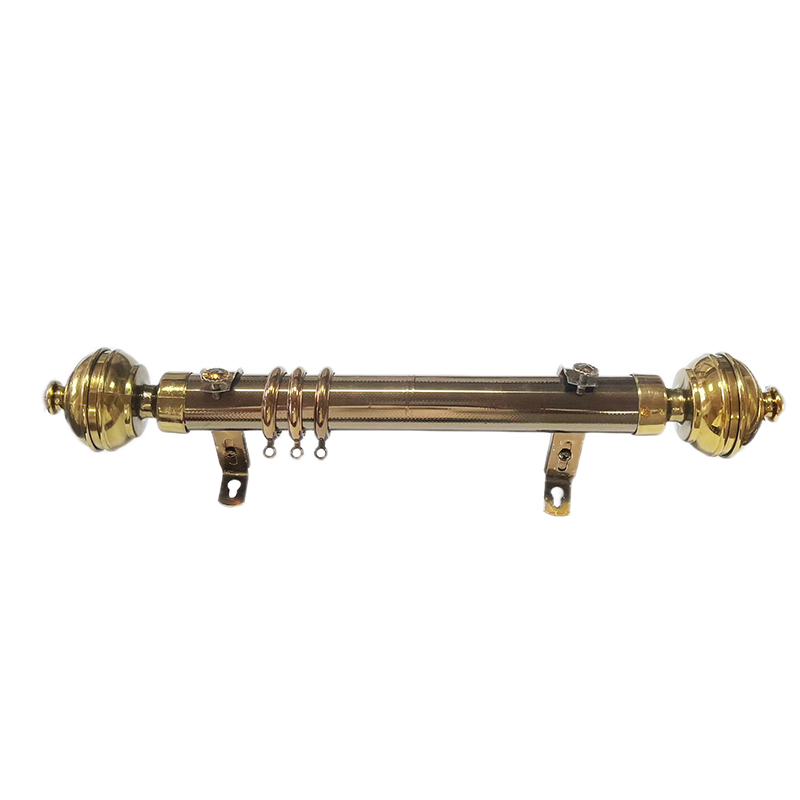
The Twisted Iron Telescoping Curtain Rod represents a unique synthesis of traditional blacksmithing aesthetics and modern mechanical adjustability. Unlike standard hollow-core steel rods, a high-quality Twisted Iron Telescoping Curtain Rod is engineered to provide superior weight-bearing capacity while featuring an intricate "twisted" surface geometry that enhances both structural rigidity and decorative depth. These systems are designed to bridge the gap between bespoke fixed-length ironwork and the logistical convenience of adjustable hardware. This report analyzes the metallurgical cold-twisting processes, the friction-fit engineering of the telescoping sleeves, and the anti-corrosion coating technologies that ensure long-term durability in high-load domestic and commercial environments.
How Does the Cold-Twisting Process and Telescoping Engineering Enhance the Structural Integrity of a Twisted Iron Telescoping Curtain Rod?
The manufacturing of a Twisted Iron Telescoping Curtain Rod is a multi-stage engineering process that begins with the selection of high-tensile carbon steel or wrought iron and ends with precision-calibrated sleeve fitting.
-
Metallurgical Logic of the Cold-Twist Geometry: The defining feature of a Twisted Iron Telescoping Curtain Rod is the spiral texture along the outer rod. This is achieved through a cold-twisting process where the iron rod is subjected to controlled torsional stress. This process doesn't just add aesthetic value; it significantly increases the "work hardness" of the metal surface. The twisted ridges act as structural reinforcements, similar to the ribbing on rebar, which increases the rod's resistance to "sagging" or bending under the vertical load of heavy velvet or blackout curtains. By distributing the stress across the spiral grain of the metal, the rod can span wider distances without the immediate need for center support brackets compared to smooth-bore aluminum alternatives.
-
Friction-Fit Telescoping Mechanisms and Tolerance Calibration: A Twisted Iron Telescoping Curtain Rod consists of an inner and an outer tube, designed to slide seamlessly to accommodate various window widths. The engineering challenge lies in maintaining a tight "friction-fit" so the rod doesn't rattle or slip once extended. High-performance models utilize a nylon or PVC internal bushing between the two iron layers. This bushing serves two technical purposes: it prevents metal-on-metal scratching (which could lead to oxidation) and provides a "smooth-glide" resistance that locks the desired length into place. The tolerances between the inner twisted rod and the outer sleeve are kept within ±0.1mm to ensure that the transition point remains aesthetically discreet and structurally sound.
-
Weight Distribution and Bracketing Systems: To support the increased mass of the iron, the Twisted Iron Telescoping Curtain Rod requires a specialized mounting system. The brackets are often heavy-duty cast iron, featuring a "U-shaped" cradle that matches the diameter of the twisted rod. Because the surface is uneven due to the twists, the bracket's contact points are often lined with a soft-grip polymer to secure the rod and prevent rotation. This structural synergy allows the rod to support weights of up to 35-50 lbs, making it the ideal hardware for floor-to-ceiling thermal drapes or layered window treatments where standard telescoping rods would typically fail.
|
Technical Parameter |
Standard Twisted Iron Rod |
Heavy-Duty Telescoping Rod |
Premium Wrought Iron System |
|---|---|---|---|
|
Material Base |
Low-Carbon Steel |
High-Tensile Iron |
Solid Forged Wrought Iron |
|
Diameter Range |
19mm / 22mm |
25mm / 28mm |
28mm / 32mm |
|
Extension Length |
36" - 72" |
72" - 144" |
Up to 180" (Segmented) |
|
Load Capacity |
20 - 25 lbs |
40 - 55 lbs |
60+ lbs |
|
Surface Finish |
Powder Coated |
Electroplated / Lacquered |
Hand-Rubbed Oil Finish |
|
Mounting Type |
Wall Mount (Adjustable) |
Wall/Ceiling (Reinforced) |
Bespoke Fixed / Telescoping |
Why Are Advanced Coating Technologies and Internal Rust Inhibition Critical for a Twisted Iron Telescoping Curtain Rod?
Because iron is inherently susceptible to oxidation, the longevity of a Twisted Iron Telescoping Curtain Rod depends heavily on its multi-layered protective barrier and internal moisture management.
-
Electrostatic Powder Coating and UV-Stabilized Finishes: The exterior of a Twisted Iron Telescoping Curtain Rod is typically finished using an electrostatic powder coating process. In this method, dry paint particles are charged and sprayed onto the iron, which is then cured under high heat to form a "skin." This coating is particularly effective for twisted rods because it flows into the deep crevices of the spiral pattern, ensuring 100% coverage. To prevent the color from fading or the coating from becoming brittle when exposed to sunlight at the window, UV-stabilizers are integrated into the polymer matrix. This ensures that the deep bronze, matte black, or antique gold finish remains vibrant for decades.
-
Internal Anti-Oxidation Treatments: A common failure point for telescoping hardware is internal rusting where the inner rod remains hidden. Premium Twisted Iron Telescoping Curtain Rod units undergo an "e-coating" (electrophoretic deposition) or are treated with a light internal zinc-plating. This prevents the "red rust" that can occur if condensation forms inside the rod due to temperature differentials between the window pane and the room. By protecting the internal surfaces, the manufacturer ensures that the telescoping action remains smooth and that no rust-dust falls onto the expensive curtain fabrics during adjustment.
-
Scratch-Resistant Surface Engineering for Ring Gliding: The constant movement of curtain rings across the surface of a Twisted Iron Telescoping Curtain Rod represents a form of mechanical abrasion. To mitigate this, the top-coat is often reinforced with ceramic micro-particles or high-density fluoropolymers. This creates a "hard-shell" finish that resists the "track marks" often left by metal rings. Furthermore, the twist frequency (the number of turns per inch) is engineered to allow rings to slide over the ridges with minimal resistance, ensuring that the operation of the curtains is as quiet and fluid as it is on a smooth rod.
How Do Finial Design and Ergonomic Installation Systems Optimize the Functionality of a Twisted Iron Telescoping Curtain Rod?
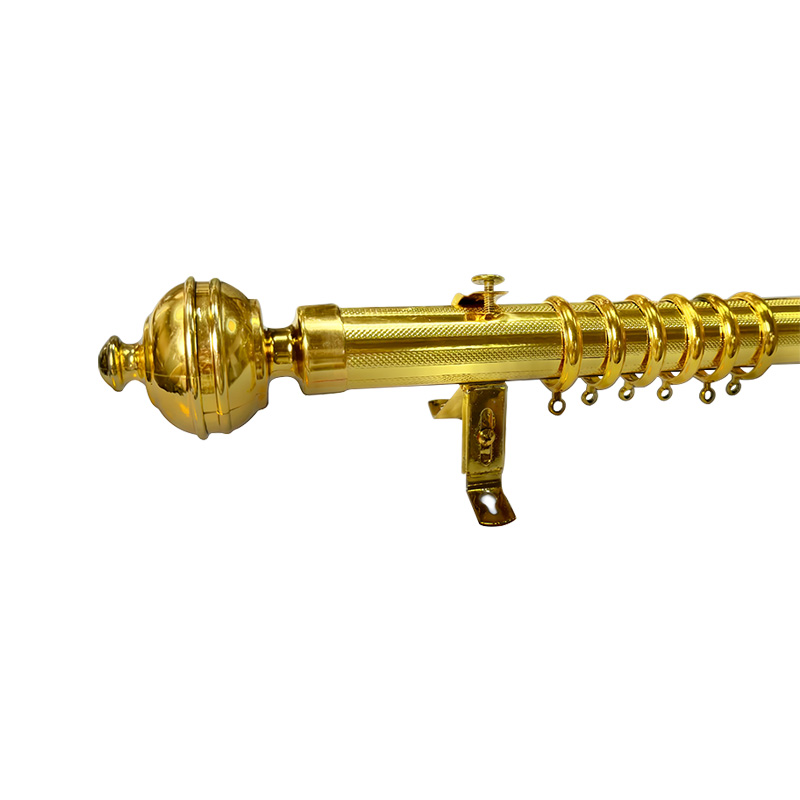
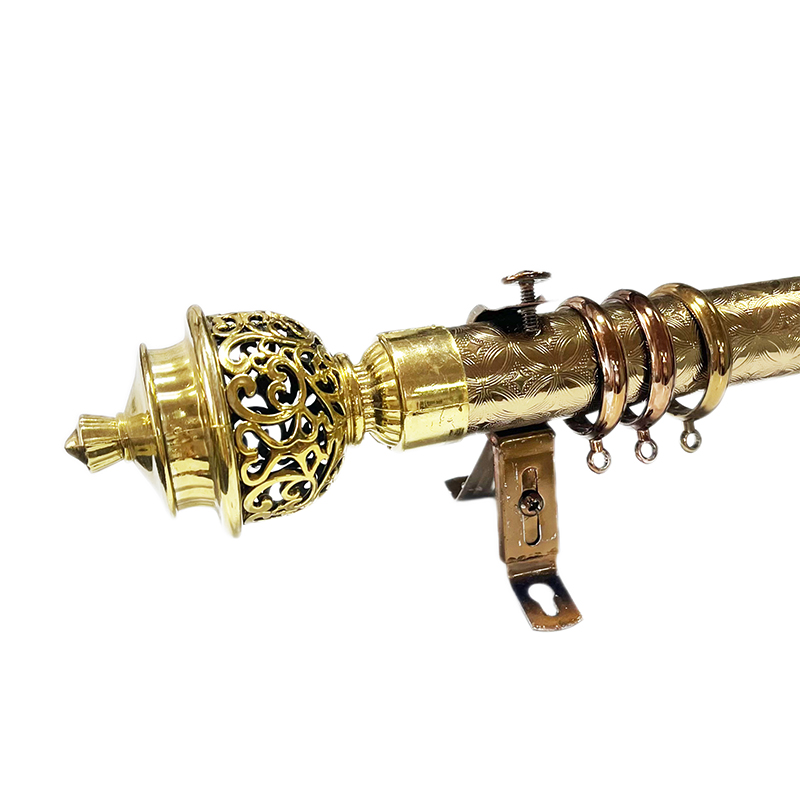
The final component of a Twisted Iron Telescoping Curtain Rod is the decorative and functional hardware that secures the ends and facilitates the installation process.
-
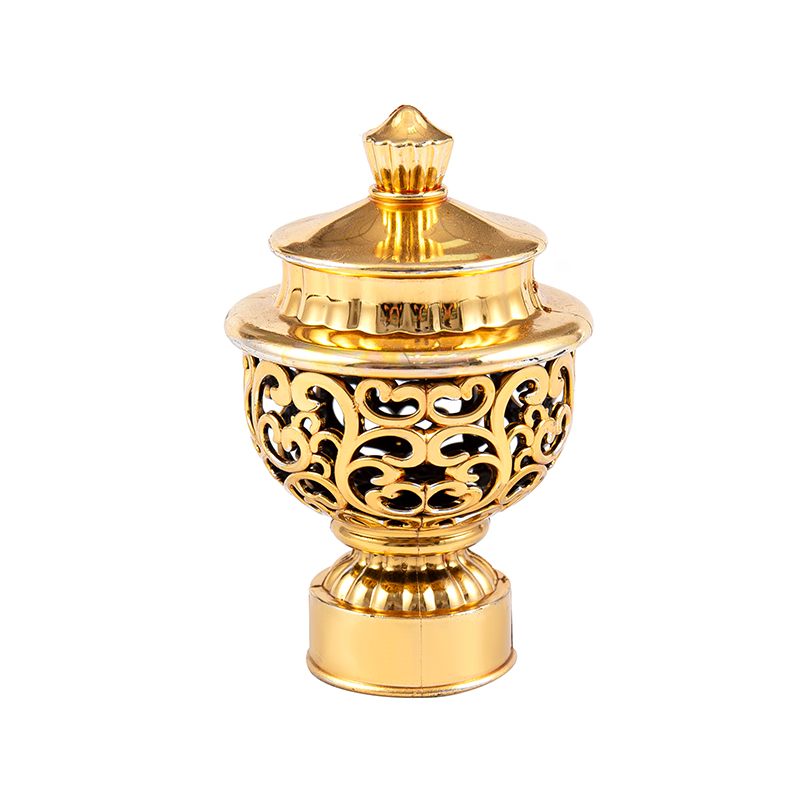
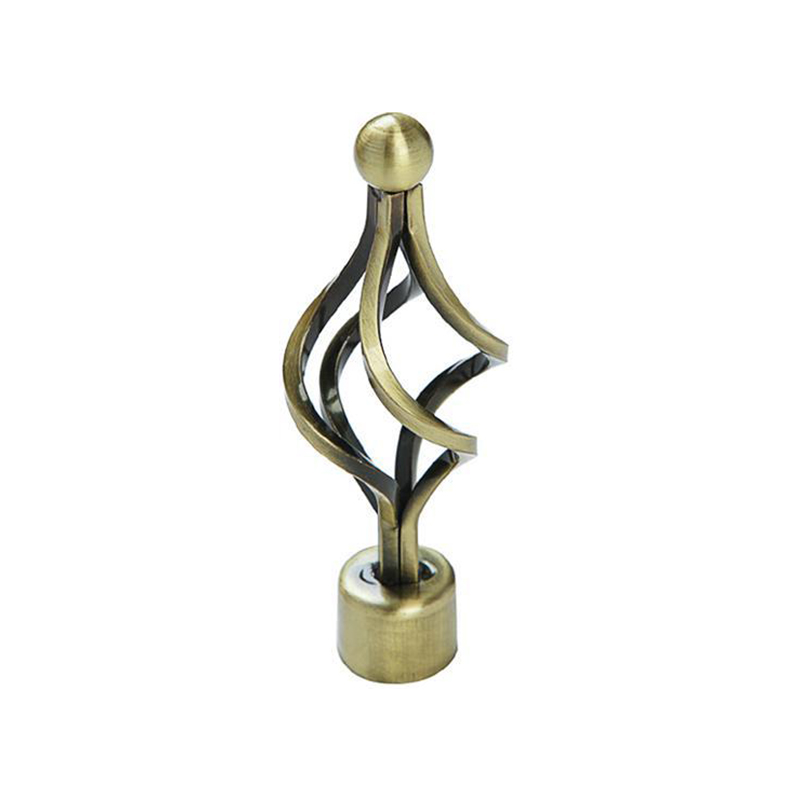
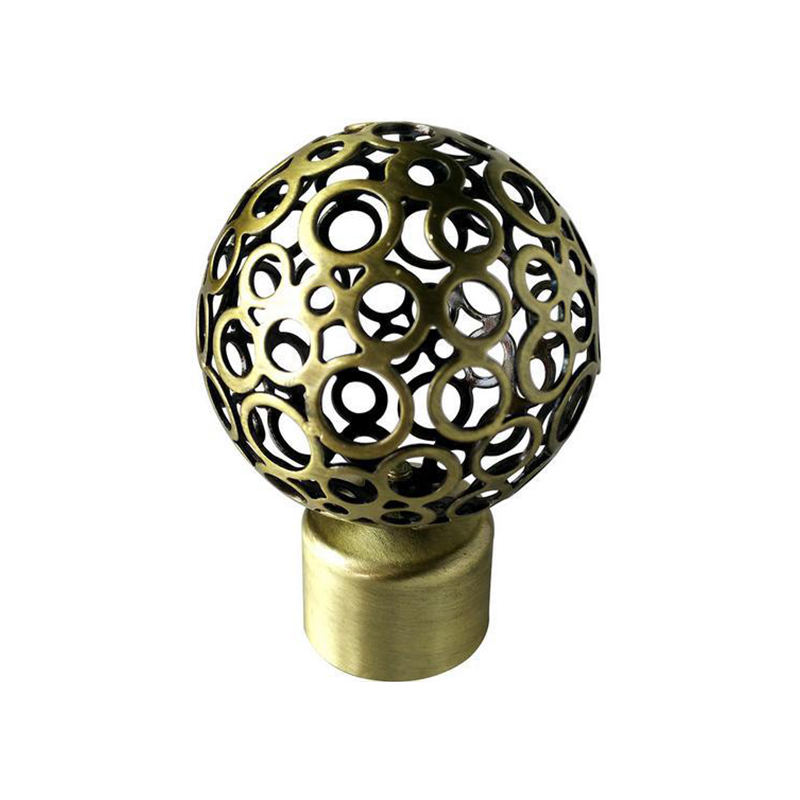
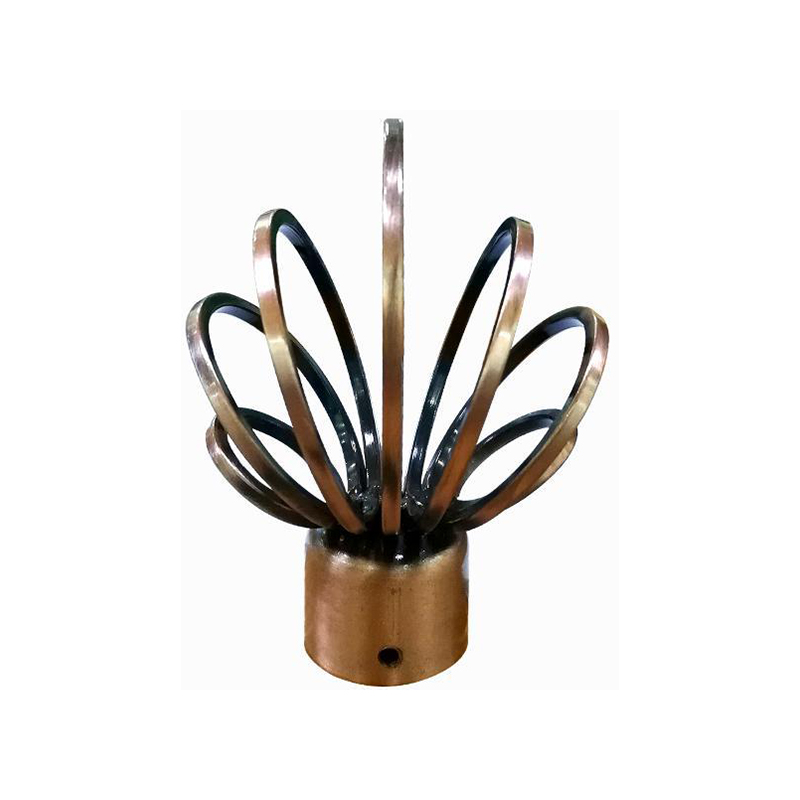
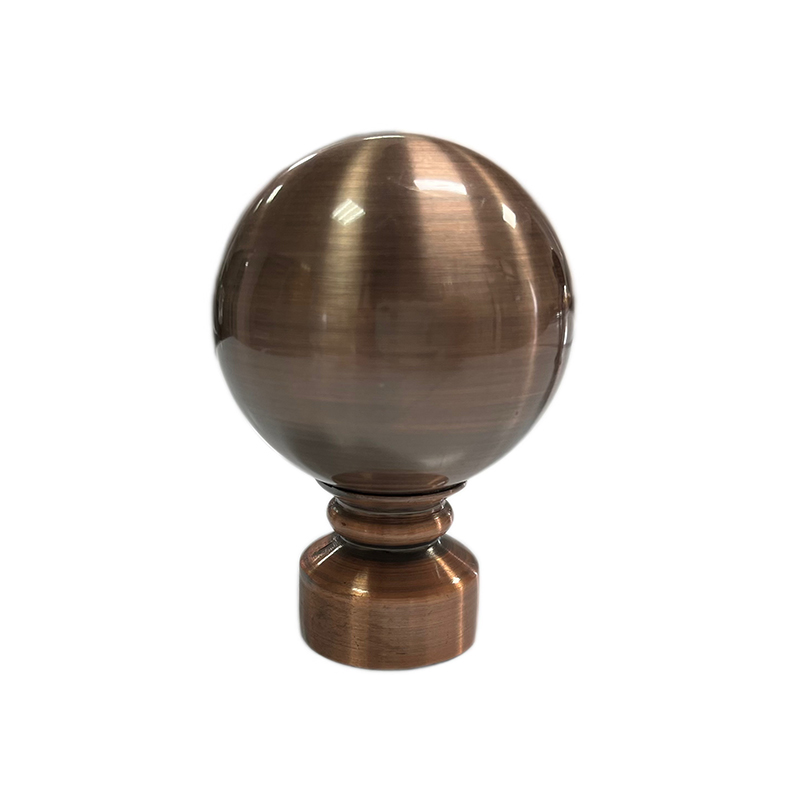
Modular Finial Threading and Weight Balance: The ends of a Twisted Iron Telescoping Curtain Rod feature standardized M6 or M8 internal threading to accept a wide variety of "finials" (decorative end caps). These finials are not merely aesthetic; they act as the "stoppers" for the curtain rings. In a twisted iron system, the finials are often cast from solid zinc alloy or hand-forged iron to match the visual weight of the rod. The weight of the finials must be balanced against the rod's extension length to prevent a "lever effect" that could pull the brackets away from the wall, particularly when the rod is extended to its maximum limit.
-
Integrated Leveling and Quick-Install Bracket Logic: Installing a heavy Twisted Iron Telescoping Curtain Rod can be challenging. Modern engineering has introduced "level-lock" brackets that allow for minor vertical adjustments after the holes have been drilled into the masonry. This is essential because even a 1-degree tilt is highly visible across a 120-inch twisted rod. Some systems also feature a "snap-in" logic, where the rod is pushed into the bracket and locked with a hidden set-screw, ensuring that the twisted texture is properly showcased and that the rod cannot be accidentally pulled down by pets or children.
-
Acoustic Dampening and Ring Compatibility: To complement the robust nature of the Twisted Iron Telescoping Curtain Rod, engineers often design specialized "silent rings." These rings feature a polymer lining on the inside that interfaces with the twisted iron surface. This eliminates the "metal-on-metal" screeching sound and provides a dampening effect as the rings move over the spiral ridges. By analyzing the "pitch" of the twists, designers can ensure that the rings do not get caught in the grooves, providing a seamless user experience that matches the high-end architectural feel of the hardware.
Through the meticulous application of torsional metallurgy, multi-layer chemical protection, and ergonomic mechanical design, the Twisted Iron Telescoping Curtain Rod stands as a superior solution for those seeking the aesthetic of hand-crafted iron with the versatility of modern telescoping technology.