English
 Français
 عربى
عربى
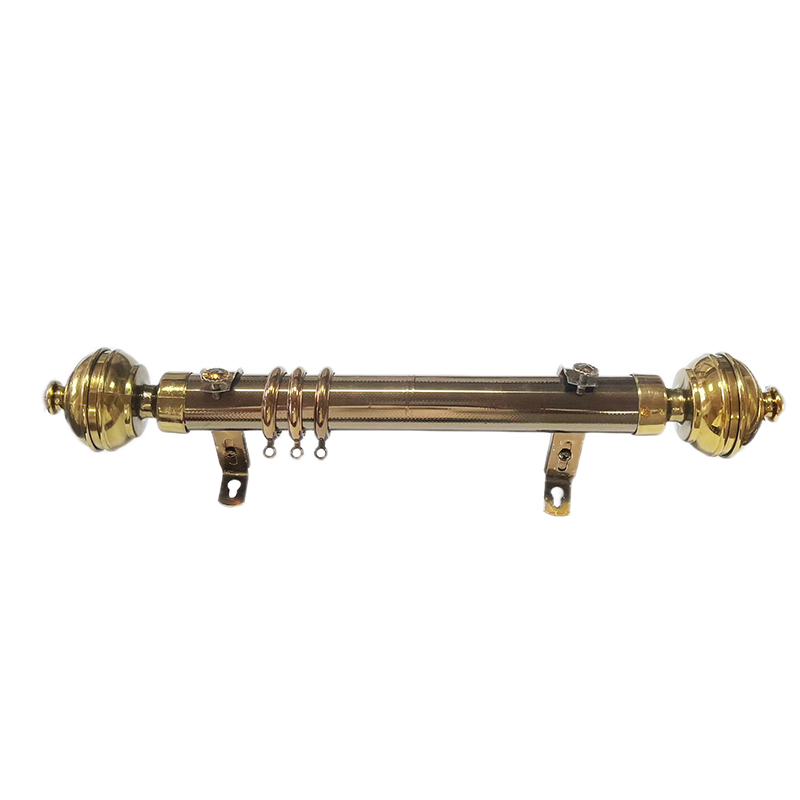
To hang a curtain pole, mark bracket positions at equal heights above and beyond the window frame, drill into wall studs or use appropriate wall anchors, secure the brackets, slot the rod through the curtain rings or eyelets, and rest or click it into place. The full process takes 30 to 60 minutes for a standard single window and requires a drill, level, tape measure, and the correct wall fixings for your wall type. When it comes to choosing a rod material, the four most common options are PVC curtain rods (lightweight and moisture-resistant, ideal for bathrooms and wet rooms), aluminum curtain rods (light, corrosion-proof, and versatile), iron curtain rods including wrought iron rods and cast iron curtain rails (heavy, architectural, and built for large or heavy drapes), and black metal curtain rails (the current decorating standard for contemporary and industrial interiors). This guide covers every step of installation and every material option in practical detail.
How to Hang a Curtain Pole: Step-by-Step Installation
Learning how to hang a curtain pole correctly the first time prevents the two most common failures: brackets that pull out of the wall under curtain weight, and poles that are not level, making the curtain hang at an angle. The following procedure applies to the majority of standard wall-mounted curtain poles regardless of material.
Tools and Materials Required
- Electric drill with a drill bit matched to the wall type (masonry bit for brick or concrete, HSS bit for timber, standard bit for plasterboard)
- Spirit level (at least 600 mm long for reliable accuracy across the full pole width)
- Tape measure and pencil
- Screwdriver (usually Phillips No. 2)
- Wall anchors (rawlplugs) appropriate for the wall type and screw diameter
- Stud finder (recommended for plasterboard walls to locate timber studs for the strongest fixing)
Deciding Where to Position the Brackets
The bracket position determines how high the window feels and how much light the curtains block when open. Standard recommendations:
- Height above the window: Mount the pole 10 to 20 cm (4 to 8 inches) above the window frame. The higher the pole, the taller the window appears. For ceilings above 2.7 m (9 ft), mounting the pole 15 cm below the ceiling rather than above the window maximizes the sense of height.
- Width beyond the window: Extend the pole 15 to 30 cm (6 to 12 inches) beyond the window frame on each side. This allows the curtains to stack fully off the glass when open, maximizing natural light without blocking the view.
- End bracket position: Brackets should sit 5 to 10 cm (2 to 4 inches) in from each end of the pole, not at the extreme ends. This prevents the pole from tilting under the weight of curtains pulled to either side.
- Center support bracket: For poles longer than 180 cm (71 inches), a center support bracket is required to prevent the pole from bowing under the curtain weight. The center bracket must be positioned to allow the curtain rings to pass from one side to the other.
The Installation Procedure
- Mark the first bracket position. Measure up from the floor or window top to the intended pole height and mark the bracket center point with a pencil. Use the bracket as a template to mark the individual screw hole positions.
- Mark the second bracket position. Measure across to the second bracket position and use a spirit level placed between the two marked positions to confirm both are at exactly the same height. Adjust the second mark until the level bubble is centered.
- Drill pilot holes. Use the correct bit size for the wall anchors supplied with the brackets. For standard plastic rawlplugs, drill to a depth of 30 to 40 mm. Clear dust from each hole before inserting the anchor.
- Insert wall anchors. Push plastic rawlplugs firmly into each hole until flush with the wall surface. If drilling into a timber stud, wall anchors are not needed; screw directly into the stud.
- Screw the brackets to the wall. Start each screw by hand to catch the anchor thread, then drive firmly with a screwdriver. The bracket should be rigid with no movement when tested by hand. If a bracket feels loose, remove it, fill the holes with a larger rawlplug or specialist hollow-wall anchor, and re-drill.
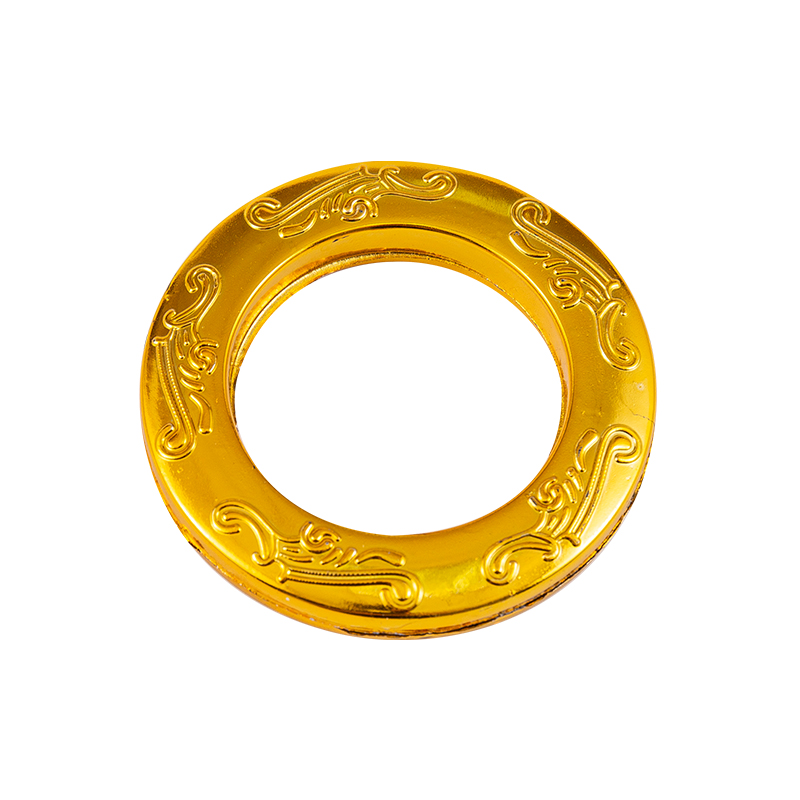
- Thread the curtains onto the pole. For eyelet curtains, thread the pole through each ring before mounting. For rod-pocket curtains, slide the fabric over the pole. For curtain rings, clip or slot each ring before placing the pole in the brackets.
- Mount the pole in the brackets. Seat the pole firmly in each bracket cup and secure the bracket retaining screw or clip. Give the pole a firm downward press to confirm it is seated and will not lift out under the weight of the curtain fabric.
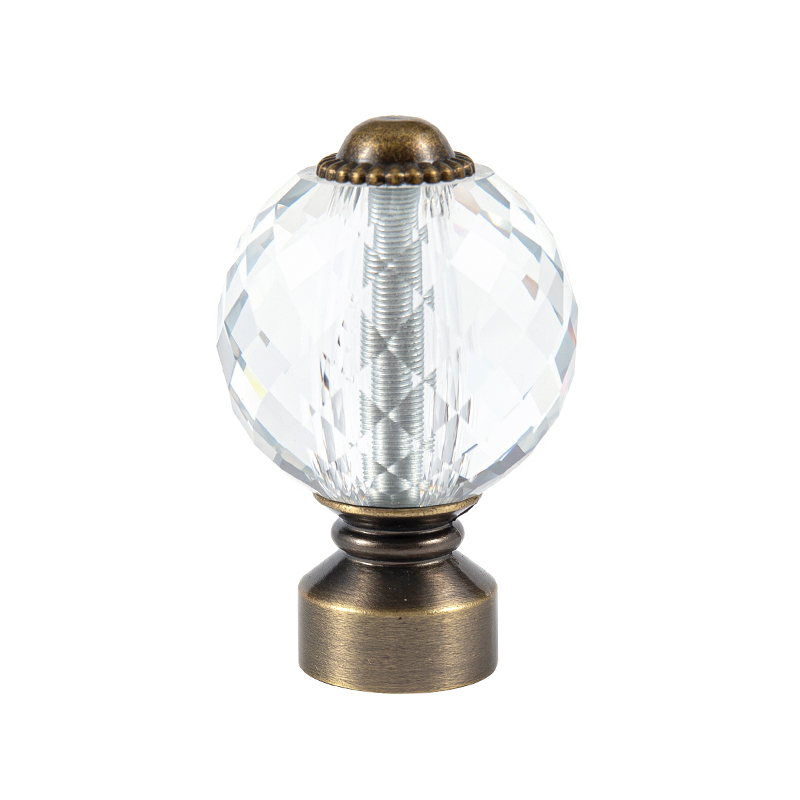
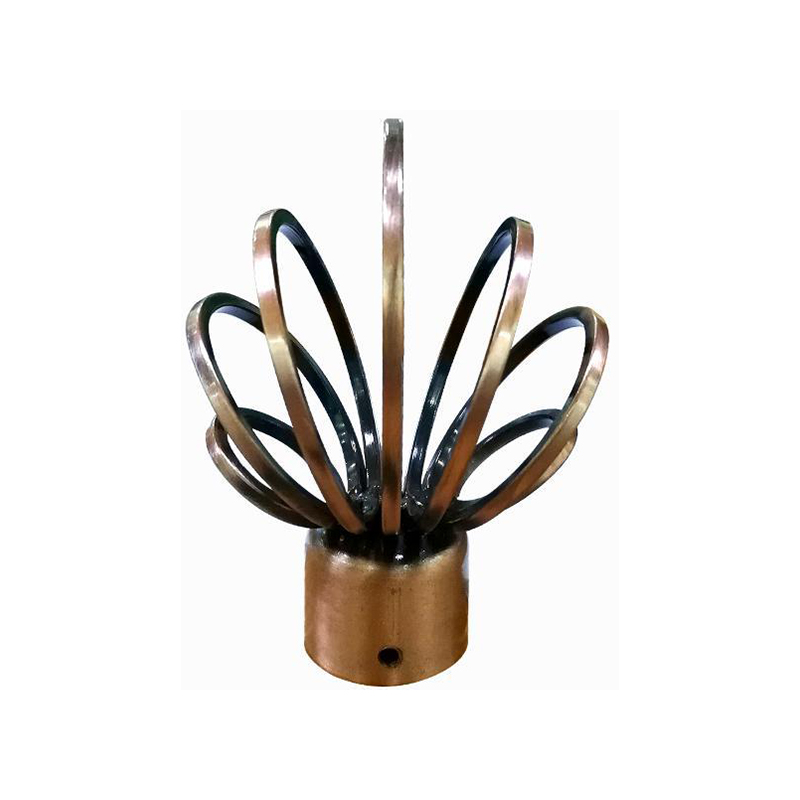
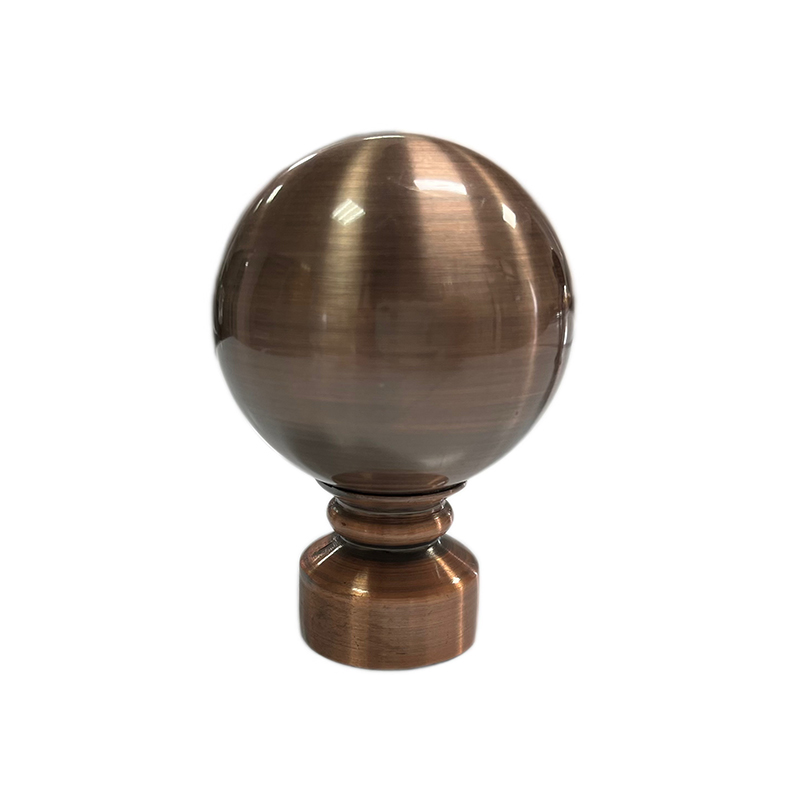
- Fit the finials. Thread or screw the decorative end caps onto each end of the pole. Finials prevent curtains from sliding off and complete the decorative appearance of the installation.
Wall Type Considerations: The Most Important Installation Variable
The wall type determines which fixings are appropriate and directly determines whether the brackets will hold or pull out over time. Never guess at the wall construction:
- Solid masonry (brick, blockwork, concrete): Use a hammer drill with a masonry bit. Standard plastic rawlplugs rated for the screw diameter provide secure fixing. This is the strongest possible installation and can support even heavy wrought iron rods with heavy velvet curtains.
- Plasterboard (drywall) over timber studs: Locate studs with a stud finder and screw directly into them for the strongest possible fixing. If studs are not in the right position for the brackets, use heavy-duty hollow wall anchors rated for the curtain weight. Standard plastic rawlplugs are not adequate in plasterboard and will pull out under load.
- Timber (wooden window frames, wooden panelling): Drill pilot holes slightly smaller than the screw diameter and drive screws directly. No wall anchors required.
- Tiles (bathrooms, kitchens): Use a tile drill bit at low speed without hammer action to avoid cracking the tile. Fit a rubber-gasketed rawlplug in the drilled tile hole for a watertight seal.
How to Install a Curtain Rod: Specific Tips for Track and Rail Systems
How to install a curtain rod follows a similar sequence to hanging a pole, but curtain tracks and rails have additional considerations around glider channels, overlap sections for meeting curtains, and the need for ceiling or top-fix bracket options where wall space above the window is limited.
Curtain Track vs. Curtain Pole: The Functional Difference
A curtain pole is a decorative rod (round or square in section) that the curtain hangs from via rings, clips, or eyelets. The pole itself is visible as a design element. A curtain track or rail is a functional channel system that the curtain glides along via integrated runners or gliders, and is typically mounted close to the ceiling or inside a pelmet box to be partially or fully hidden. Tracks are preferred for heavier curtains and for bay windows where a curved or bent profile is required, while poles are preferred for decorative impact in contemporary, traditional, or industrial room schemes.
Installing a Curtain Track or Rail
- Measure the track length accurately: Unlike poles where a slight excess can be covered by finials, a track must be cut or ordered to the exact width of the installation. Add 5 to 10 cm per side for corded tracks where the cord mechanism requires extra length at each end.
- Space brackets every 30 to 40 cm for heavy curtains or every 50 cm for lightweight curtains. Closer bracket spacing prevents track deflection under the weight of the loaded gliders.
- Use the overlap slider on double-run tracks to ensure the two curtain panels overlap at the center by at least 10 to 15 cm, preventing a light gap forming in the middle when curtains are closed.
- Load gliders before mounting: On most tracks, gliders must be loaded through an open end before the end stop is fitted. Always load the required number of gliders before final bracket installation to avoid having to disassemble the track to add forgotten gliders.
PVC Curtain Rod: Best for Moisture and Budget Installations
A PVC curtain rod is manufactured from rigid polyvinyl chloride, typically in white or off-white, and is the standard choice for wet rooms, bathrooms, shower areas, and any location where metal rods would rust or corrode. PVC rods are also commonly used in budget residential applications where cost is the primary driver.
Key Properties and Performance
- Weight capacity: Standard PVC rods handle light to medium-weight curtains up to approximately 5 to 8 kg total load before visible deflection occurs. For sheer or voile curtains, PVC is perfectly adequate. For heavy lined curtains or thermal blackout panels, an aluminum or metal rod is strongly preferred.
- Moisture resistance: PVC does not corrode, rust, or swell when wet, making it the only appropriate material for shower curtain rods and for curtain rods in high-humidity environments. A stainless steel or chrome-plated metal rod is the premium alternative in wet areas, but PVC is functional and significantly cheaper.
- UV and temperature sensitivity: PVC becomes brittle with prolonged UV exposure and can soften slightly at temperatures above 60°C. Do not use PVC rods in conservatories or sunrooms with high solar gain.
- Maximum span without center support: A standard 28 mm diameter PVC rod should not span more than 120 cm (47 inches) without a center support bracket. Beyond this span, the rod will develop a permanent bow under even lightweight curtains.
Aluminum Curtain Rod: The Versatile Everyday Standard
An aluminum curtain rod is the most widely used curtain rod type for general domestic and commercial applications. The combination of light weight, complete corrosion resistance, wide diameter range, and competitive cost makes aluminum the default choice for most room types.
Why Aluminum Is the Practical Default
- Weight and handling: A 28 mm aluminum rod at 180 cm length weighs approximately 400 to 600 g, making it very easy to handle, cut to length, and mount single-handedly during installation.
- Load capacity: An aluminum rod of 28 mm diameter with brackets at 90 cm spacing handles curtain loads of 12 to 20 kg reliably. For heavier curtains, a 35 mm diameter aluminum rod increases load capacity to approximately 25 to 35 kg.
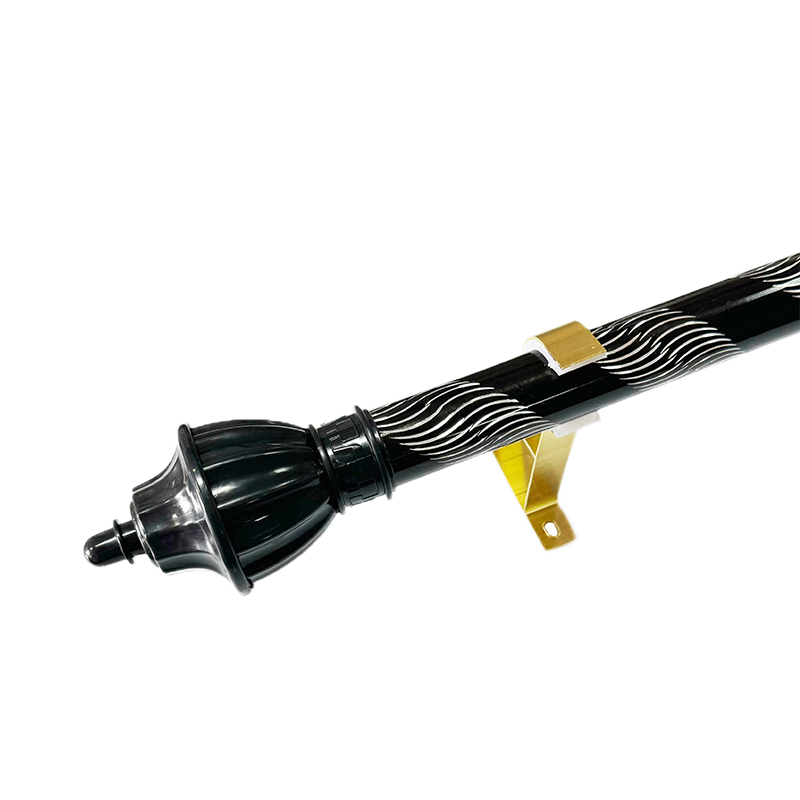
- Finish options: Aluminum rods are available in a wide range of anodized and powder-coated finishes including silver, chrome, brushed nickel, gold, bronze, white, and black. This makes them suitable for any decorating scheme from contemporary to traditional.
- Extendable designs: Many aluminum curtain rods are available in extendable (telescoping) formats with an inner section that slides to length and locks in position. This allows one rod to cover window widths from approximately 70 cm to 250 cm without cutting or ordering a custom length.
- Corrosion resistance: Aluminum does not rust and resists most household cleaning chemicals, making these rods suitable for kitchens and bathrooms where steam and cleaning products are present.
Iron Curtain Rod, Wrought Iron Rod, and Cast Iron Curtain Rail: Heavy-Duty Architectural Options
Iron curtain rods encompass two distinct materials: wrought iron rods (worked and shaped iron with a characteristic fibrous texture) and cast iron curtain rails (poured into molds for consistent geometric profiles). Both are significantly heavier than aluminum or PVC and are chosen for their architectural weight, traditional aesthetic, and ability to support very heavy curtain fabrics without any deflection.
Wrought Iron Rod: Hand-Crafted Appearance for Traditional Interiors
A wrought iron rod is produced by heating iron and working it by hand or mechanical hammer to shape, producing a material with visible grain and surface texture. Genuine wrought iron rods have an organic, slightly irregular appearance that distinguishes them from machine-made steel products. They are standard in traditional, rustic, farmhouse, and period property interiors where their visual weight matches heavy lined or interlined curtains in natural fabrics such as linen, wool, and velvet.
- Weight: A wrought iron rod of 25 mm diameter at 200 cm length weighs approximately 2.5 to 4 kg, compared to under 600 g for an equivalent aluminum rod. Always verify that wall fixings are rated for the combined weight of the rod plus the curtains.
- Rust susceptibility: Bare iron rusts readily when exposed to moisture. Quality wrought iron rods are sealed with wax, lacquer, or powder coat. In bathrooms or humid environments, a lacquered finish must be maintained or the rod will rust from any scratch or chip in the coating.
- Curtain compatibility: Wrought iron rods support the heaviest of domestic curtain fabrics, including fully interlined velvet, silk, and wool curtains. No deflection occurs on a quality wrought iron rod within normal domestic span ranges of up to 250 cm without center support.
Cast Iron Curtain Rail: Period Architecture and Bay Windows
A cast iron curtain rail is a track or rail profile cast from iron, used primarily in older properties, high-end period renovations, and bay window installations where the substantial visual presence of cast iron suits the architectural scale of the room. Cast iron curtain rails were standard in Victorian and Edwardian residential construction and are still manufactured by specialist suppliers for restoration and heritage projects.
- Bay window compatibility: Cast iron rails can be manufactured with internal or external corner sections to follow the geometry of a bay window precisely. The rigid nature of cast iron means corner sections must be factory-specified angles rather than field-bent like flexible plastic tracks.
- Load capacity: Cast iron curtain rails are rated for very high loads, typically 30 to 60 kg per meter of rail, making them the appropriate choice for extremely heavy curtains in large-scale rooms with ceiling heights above 3 m.
- Professional installation: The weight of cast iron sections (a 1.5 m section can weigh 3 to 6 kg before curtains) and the precision required for bay window geometry mean that cast iron curtain rail installation is almost always a professional job rather than a DIY project.
Black Metal Curtain Rail: The Contemporary Design Standard
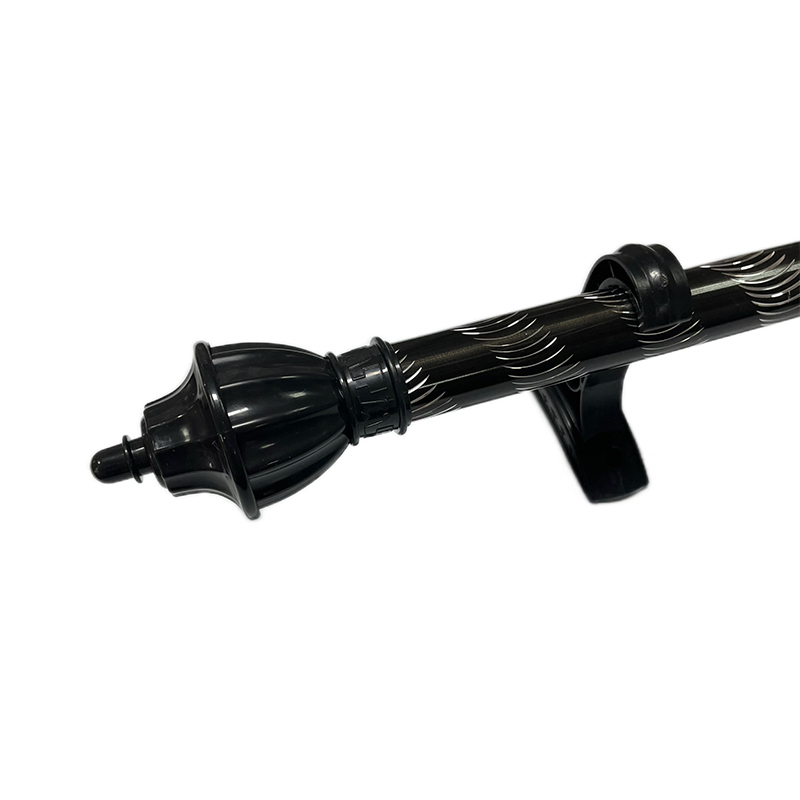
The black metal curtain rail has become the dominant decorative curtain hardware choice in contemporary, Scandinavian, industrial, and minimalist interiors over the past decade. Its visual clarity, versatility across fabric types from sheer linen to heavy velvet, and compatibility with the dark metalwork trend that has defined residential interiors since approximately 2018 make it the first choice for new builds and modern renovations alike.
What Makes Black Metal Rails Different
The term "black metal curtain rail" covers several material substrates (steel, aluminum, iron) that share a black powder coat, matte black anodize, or black electrophoresis finish. The surface finish rather than the base material is what defines the aesthetic. Practical differences between the substrate materials:
- Black powder-coated steel: The most common substrate for black metal curtain rails in the mid-price market. Durable finish, good load capacity, moderate weight. A 25 mm black steel rod at 180 cm weighs approximately 1.2 to 1.8 kg.
- Matte black aluminum: Lighter than steel and completely rust-free even if the finish chips. The preferred choice for bathroom or kitchen window curtain applications in the contemporary black aesthetic where moisture is present.
- Black wrought or forged iron: The premium option for black metal curtain rails in traditional, industrial, and loft-style interiors. Heavier than steel, with a richer, more tactile surface that responds to aging with a desirable patina.
Matching Black Metal Rails to Interior Schemes
Black curtain hardware has broad compatibility but is most naturally at home in these interior contexts:
- Industrial and loft interiors: Exposed brick, concrete floors, steel-frame windows, and statement pendant lights define the industrial aesthetic, and a heavy black metal curtain rail with large-ring curtains is the natural complement to this scheme.
- Scandinavian minimalism: White walls, pale timber floors, and simple furniture are enhanced by the graphic precision of a slim black metal rod with linen or cotton curtains in off-white or natural tones. The contrast of black hardware against pale fabric creates a refined, high-design look at modest cost.
- Contemporary traditional: Deep jewel-toned walls (navy, forest green, burgundy) combined with black curtain rails and velvet curtains create a sophisticated scheme that references period design language while reading as entirely current.
| Material | Typical Weight (180 cm rod) | Rust Risk | Max Span (no center bracket) | Best Setting |
|---|---|---|---|---|
| PVC curtain rod | Under 300 g | None | 120 cm | Bathrooms, wet rooms, budget |
| Aluminum curtain rod | 400 to 600 g | None | 180 cm | All room types, general use |
| Black powder-coated steel | 1.2 to 1.8 kg | Low (if finish chips) | 200 cm | Contemporary, industrial, minimalist |
| Wrought iron rod | 2.5 to 4 kg | Moderate (if uncoated) | 250 cm | Traditional, farmhouse, period |
| Cast iron curtain rail | 3 to 6 kg per 1.5 m | Moderate (if uncoated) | 150 cm | Period homes, bay windows, heritage |
How to Choose the Right Curtain Rod for Your Window
Choosing between rod materials and styles comes down to four practical factors: the weight of the curtains, the room's moisture level, the decorating scheme, and the budget. The following framework makes the decision systematic.
Matching Rod Strength to Curtain Weight
Curtain weight is the most important structural variable. Estimate the total weight of the curtains (fabric weight per square meter multiplied by the total curtain area) and choose accordingly:
- Sheer and voile fabrics (under 3 kg total): Any rod material is adequate. A PVC or slim aluminum rod is entirely appropriate and avoids over-engineering a lightweight application.
- Standard lined curtains (3 to 12 kg total): A 28 mm aluminum rod or a black powder-coated steel rod is the appropriate choice. PVC is inadequate at this weight range for spans above 100 cm.
- Heavy lined, interlined, or velvet curtains (12 to 30 kg total): A 35 mm aluminum rod, a black steel rod, or a wrought iron rod is required. Always fit a center support bracket for any rod at this load range over spans greater than 150 cm.
- Extremely heavy drapes in large rooms (above 30 kg total): A wrought iron rod, cast iron curtain rail, or commercial-grade steel track is the only appropriate solution. Wall fixing must be into solid masonry or structural timber only.
Room Type and Moisture Considerations
- Bathrooms and wet rooms: PVC or aluminum only. Iron and steel rods will corrode in sustained high humidity even with a protective finish, eventually staining the fabric and wall.
- Kitchens: Aluminum or black aluminum preferred. Grease and cleaning chemicals can attack unprotected iron finishes over time.
- Living rooms and bedrooms: Full material choice. Select based on aesthetics and curtain weight.
- Conservatories: Avoid PVC (UV degradation). Aluminum or powder-coated steel are appropriate; protect any iron rod with regular wax maintenance in a high-UV glass environment.
Frequently Asked Questions About Curtain Poles and Rails
1. How do you hang a curtain pole on a plasterboard wall?
To hang a curtain pole on plasterboard, use a stud finder to locate timber studs behind the board and screw directly into them for the strongest possible fixing. If studs are not in the right position, use heavy-duty hollow wall anchors (Toggler, Fischer DuoPower, or equivalent) rated for at least double the total curtain and rod weight. Standard plastic rawlplugs grip only the plasterboard skin and will pull out under the sustained load of a curtain rod. Always test the bracket firmness by applying firm downward pressure before hanging curtains.
2. How high above the window should a curtain pole be mounted?
Mount the curtain pole 10 to 20 cm (4 to 8 inches) above the window frame for standard ceiling heights. For high-ceilinged rooms above 2.7 m, mount the pole approximately 15 cm below the ceiling to maximize the perception of height. The higher the pole relative to the window, the taller the window and the room will appear. This is one of the most cost-effective ways to make a room feel more spacious without structural changes.
3. Is a PVC curtain rod suitable for a bathroom?
Yes. A PVC curtain rod is one of the most appropriate choices for a bathroom or wet room because it cannot rust, corrode, or degrade from water exposure. It is lightweight, inexpensive, and easily replaced. The limitation is load capacity: a standard PVC rod is suitable for shower curtains and lightweight voile, but not for heavy lined bathroom window curtains above approximately 5 kg total weight. For heavier curtains in a wet room, choose an aluminum or stainless steel rod instead.
4. What is the maximum span for an aluminum curtain rod without a center bracket?
A standard 28 mm diameter aluminum curtain rod can span approximately 150 to 180 cm without a center support bracket under medium-weight curtains. For spans above 180 cm or for heavier curtains, always fit a center support bracket. A 35 mm diameter aluminum rod increases the unsupported span capability to approximately 200 to 220 cm. Never judge by appearance alone; even a rod that looks straight when unloaded can develop a visible and permanent bow once full curtains are hung.
5. How do you install a curtain rod in a bay window?
Bay window installation requires either a flexible curtain track that can be bent to the bay angle, or a cast iron curtain rail ordered with factory-specified corner angles to match the bay geometry precisely. For a flexible track approach, mark the bracket positions, mount the track starting at the corners, and gently bend the flexible track to follow the bay angle before securing the corner brackets. For decorative poles, a three-section pole with angled corner connectors gives a clean architectural appearance in standard 135-degree and 90-degree bay configurations.
6. What is the difference between a wrought iron rod and a cast iron curtain rail?
A wrought iron rod is a round or square-section bar that is heated and worked by hammer or mechanical pressing to its final shape, resulting in a solid rod used as a decorative curtain pole. It has a characteristic fibrous, slightly irregular surface texture. A cast iron curtain rail is poured molten iron into a mold to create a track or channel profile, typically used as a functional gliding rail rather than a decorative pole. Cast iron rails are heavier, more consistent in profile, and suited to larger-scale heritage and commercial installations. Wrought iron rods suit period residential interiors; cast iron rails suit Victorian or Edwardian restoration projects.
7. How do I stop a curtain rod from sliding in its brackets?
Apply a thin wrapping of clear PTFE (plumber's tape) around the rod at each bracket contact point to increase friction and prevent the rod from rotating or sliding sideways. Alternatively, fit a small self-adhesive rubber grip pad inside each bracket cup. For rods with retaining screws in the bracket, ensure the screw is tightened firmly against the rod surface. Always check that finials are fully secured; a loose finial allows the rod to slide out of the bracket on the open end under the weight of curtains being pulled.
8. What wall fixing is best for a heavy wrought iron rod?
For a wrought iron rod, which may weigh 3 to 4 kg before curtains are added, the only reliable fixing is into solid masonry (brick, block, or concrete) using a 10 mm rawlplug and M6 or M8 screw, or directly into a structural timber stud. Never use standard plastic rawlplugs in plasterboard for heavy iron rods. For plasterboard walls, a combination fixing that spans from the plasterboard surface into the timber structure behind (long-nose specialist anchors or through-bolt fixings with large-diameter backing plates) is the minimum appropriate solution.
9. Can a black metal curtain rail be used in a bathroom?
A black metal curtain rail can be used in a bathroom if the base metal is aluminum (which will not rust) or if the steel substrate is protected by a high-quality powder coat finish with no chips or damage. Even minor damage to the powder coat on a steel rod in a humid bathroom will cause rust to develop within weeks. For the most reliable long-term performance of the black aesthetic in a bathroom, specify a matte black anodized aluminum rod rather than powder-coated steel. The anodized finish penetrates the aluminum surface chemically rather than coating it, making it immune to chipping and corrosion.
10. How far should curtain rod brackets extend beyond the window?
Curtain rod brackets should be positioned so the rod extends 15 to 30 cm (6 to 12 inches) beyond the window frame on each side. This allows the curtains to stack completely off the window glass when open, maximizing daylight and the view through the window. For large windows above 200 cm wide, extending 25 to 35 cm per side ensures even heavy curtains can stack fully without overlapping the glass. The rod extension also influences how wide the window appears: a rod that extends generously beyond the frame makes the window look significantly wider.