English
 Français
 عربى
عربى
Choosing the right curtain rod shapes the entire experience of a window treatment, from how smoothly the curtains glide to how well the rod holds up under the weight of heavy fabrics over years of daily use. Three materials dominate the modern curtain rod market: PVC wrapped curtain rods, aluminum curtain rods, and iron curtain rods. Each has a distinct combination of physical properties, aesthetic possibilities, load capacity, and price position that makes it the right choice for specific applications and the wrong choice for others. The decision is not simply cosmetic; it affects how long the rod will last, whether it sags under curtain weight, how much it costs to install, and how it looks in the room.
The direct answer for anyone comparing these three options is this: a PVC wrapped curtain rod is the most economical and moisture resistant choice, best for bathrooms, kitchens, and budget installations where appearance is secondary to function and cost; an aluminum curtain rod is the best all around choice for most residential applications, combining low weight, corrosion resistance, smooth curtain operation, and a clean contemporary appearance at a moderate price; and an iron curtain rod is the premium choice for heavy curtains, large windows, and design schemes where the visual weight and decorative character of wrought or forged iron contribute to a traditional, rustic, or industrial aesthetic. This article examines all three materials in practical depth.
PVC Wrapped Curtain Rod: Budget Friendly and Moisture Resistant
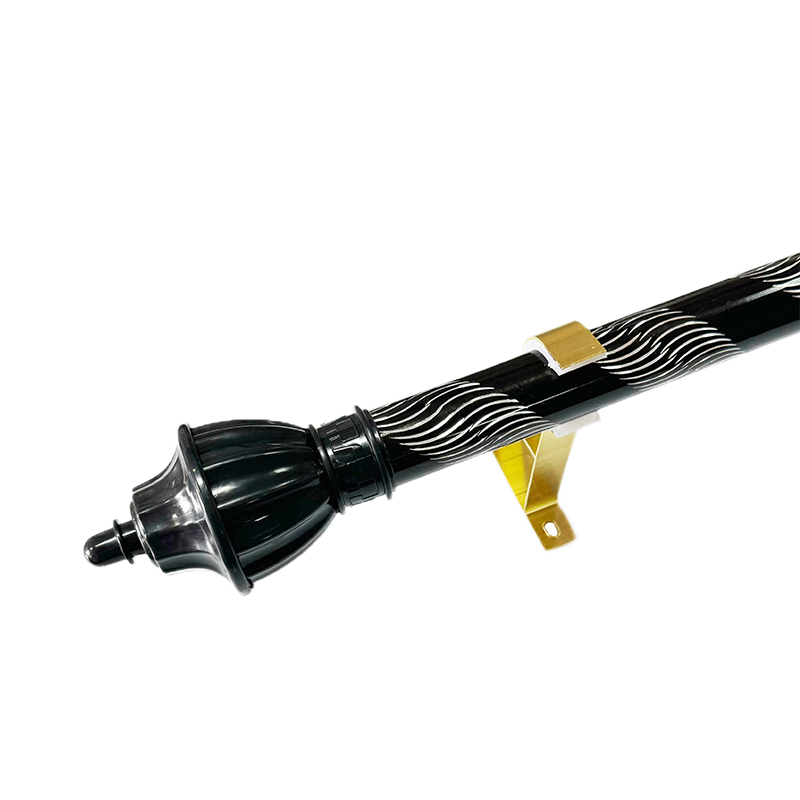
A PVC wrapped curtain rod consists of a metal core, typically a steel tube, enclosed in a layer of polyvinyl chloride (PVC) that provides the visible outer surface. The PVC wrapping serves two practical functions: it protects the metal core from moisture and corrosion, and it provides a surface that can be produced in a wide range of colors and finishes without painting. The result is a rod that is inexpensive to manufacture, completely immune to the surface rust that affects bare steel rods in humid environments, and available in a broad color palette including wood look finishes that mimic the appearance of timber rods at a fraction of the cost.
Structural Limitations of PVC Wrapped Rods
The primary limitation of PVC wrapped curtain rods is their load capacity and stiffness. The PVC outer layer adds weight and diameter without contributing structural strength, and the thin walled steel cores used in most PVC wrapped rods are inadequate for heavy curtains or long unsupported spans. Most PVC wrapped curtain rods available in the residential market are rated for curtain weights of 5 to 12 kg per meter of rod length, and they show noticeable sagging when loaded near their rated capacity, particularly at spans above 180 cm without a center bracket support. For sheer curtains, lightweight polyester panels, and cafe curtains in standard residential window widths, PVC wrapped rods perform adequately. For lined blackout curtains, heavyweight velvet, or thermal curtains, the material is generally undersized and will deform with time.
Best Applications for PVC Wrapped Curtain Rods
PVC wrapped curtain rods are most appropriately specified in the following contexts:
- Bathrooms and kitchens with high humidity: The moisture proof PVC surface prevents the surface rust that can form on inadequately coated metal rods in humid environments, and it does not require the premium price of stainless steel or anodized aluminum to achieve this humidity resistance. For shower curtain rods, bathroom window curtain rods, and kitchen cafe curtains, PVC wrapped rods are a practical cost conscious choice.
- Rental properties and budget renovations: Where the objective is a presentable, functional window treatment installation at minimum cost, PVC wrapped rods fulfill the basic requirement adequately. Their low cost means replacement is straightforward when tenants vacate or when refurbishment is planned.
- Temporary installations and children's rooms: For curtains that will be changed frequently, moved between rooms, or used in a children's environment where durability is less critical than cost, PVC wrapped rods are acceptable. They are also safer in environments where a heavy rod falling is a concern, because the lighter weight of a PVC wrapped rod reduces the impact risk.
Aluminum Curtain Rod: Lightweight, Durable, and the Best All Around Choice
Aluminum curtain rods are extruded from aluminum alloy, most commonly 6060 or 6063 alloy, and are finished by anodizing or powder coating to produce a range of standard decorative finishes including brushed silver, matte black, white, bronze, and champagne gold. The aluminum extrusion process produces precise dimensional consistency along the full rod length, which contributes directly to smooth, even curtain gliding on rings or integrated gliders. This dimensional accuracy is one reason why aluminum curtain rods dominate the mid range residential and light commercial market.
Load Capacity and Stiffness of Aluminum Rods
The structural performance of an aluminum curtain rod depends on the alloy, the wall thickness, and the outer diameter of the tube. Standard residential aluminum curtain rods in 19 mm to 25 mm outer diameter with wall thicknesses of 1.5 to 2.0 mm achieve load ratings of 15 to 25 kg per meter without center bracket support at spans up to 200 cm. Heavy duty aluminum curtain rods in 28 to 35 mm outer diameter with wall thicknesses of 2.5 to 3.0 mm are rated for curtain loads of 25 to 40 kg per meter and can span up to 300 cm between supports without objectionable deflection, making them suitable for floor to ceiling lined draperies in living rooms and dining rooms. These load capacities are significantly higher than equivalent diameter PVC wrapped rods because the aluminum alloy wall itself provides the structural contribution that PVC cannot.
Corrosion Resistance and Surface Finishes
Aluminum alloy forms a natural, self healing oxide layer that provides inherent corrosion resistance without surface coating, making it well suited to humid environments including bathrooms and kitchens. Anodized aluminum curtain rods reinforce this natural protection with an electrochemically thickened oxide layer of 10 to 25 micrometers, providing resistance to scratching, UV fading, and atmospheric staining that outlasts painted finishes by many years. Powder coated aluminum rods offer a broader color palette than anodizing while maintaining good durability; quality powder coat finishes on aluminum rod have service lives of 10 to 15 years before fading or chipping requires attention under normal interior conditions.
Gliding Performance and Ring Compatibility
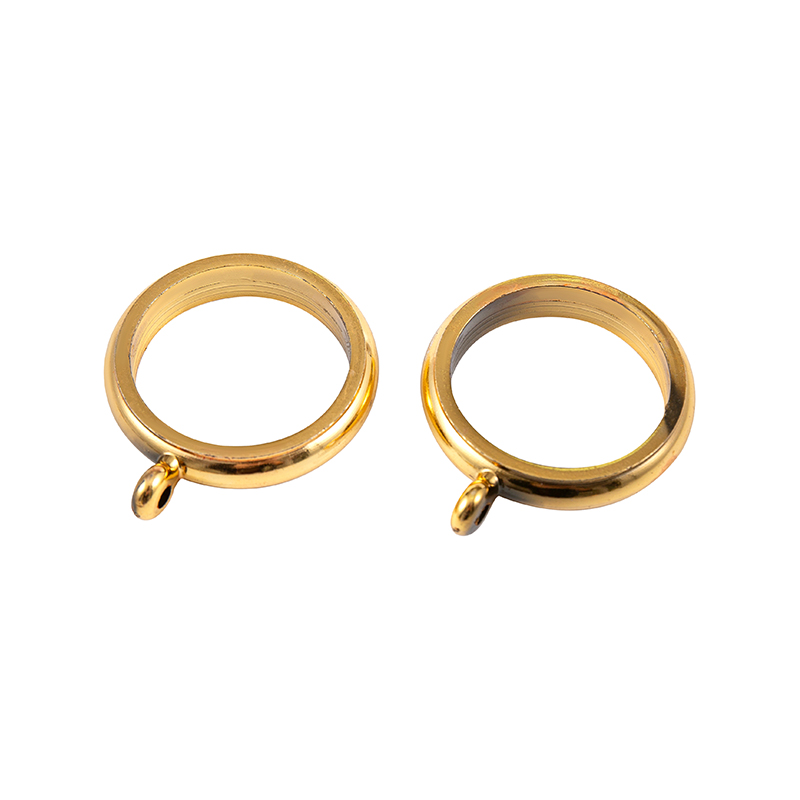
The smooth, dimensionally consistent surface of extruded aluminum is ideal for curtain rings, integrated clip rings, and slider systems. Rings glide with minimal friction on an anodized aluminum surface, and the consistent rod diameter ensures that rings do not stick, skip, or catch as they would on a rod with surface irregularities. For eyelet curtains (curtains with large grommet holes), aluminum rods provide the smooth, hard surface through which the fabric grommet slides freely, and the round rod profile is compatible with the standard grommet sizes found in most manufactured curtain panels.
Iron Curtain Rod: Maximum Strength and Traditional Character
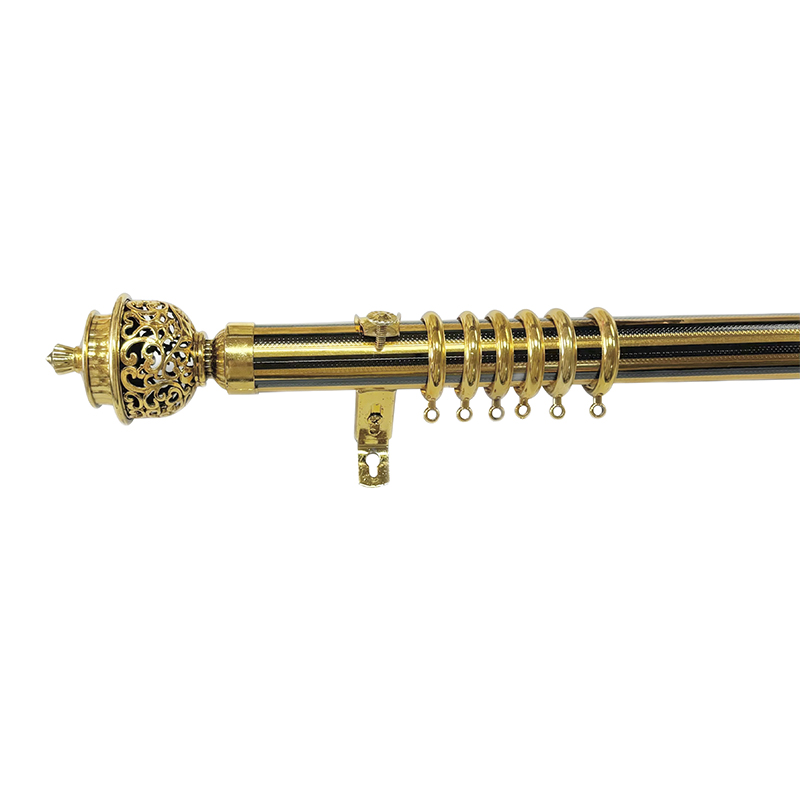
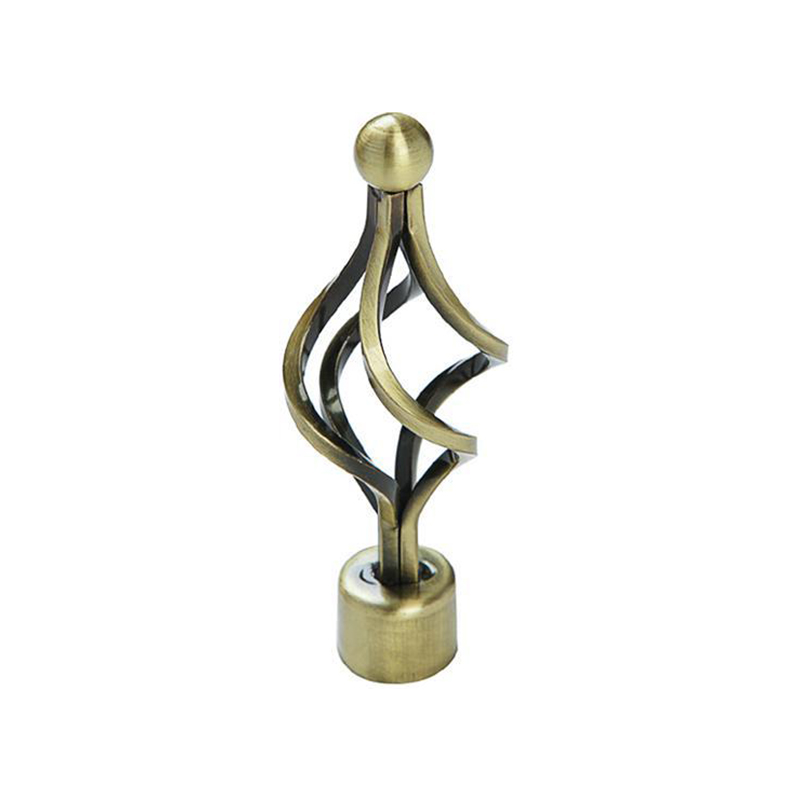
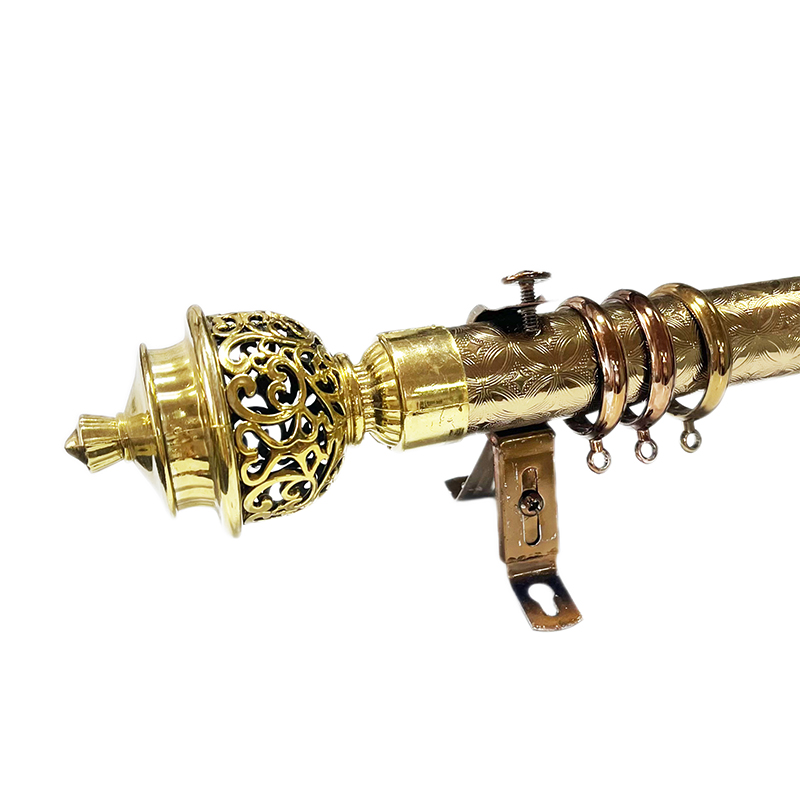
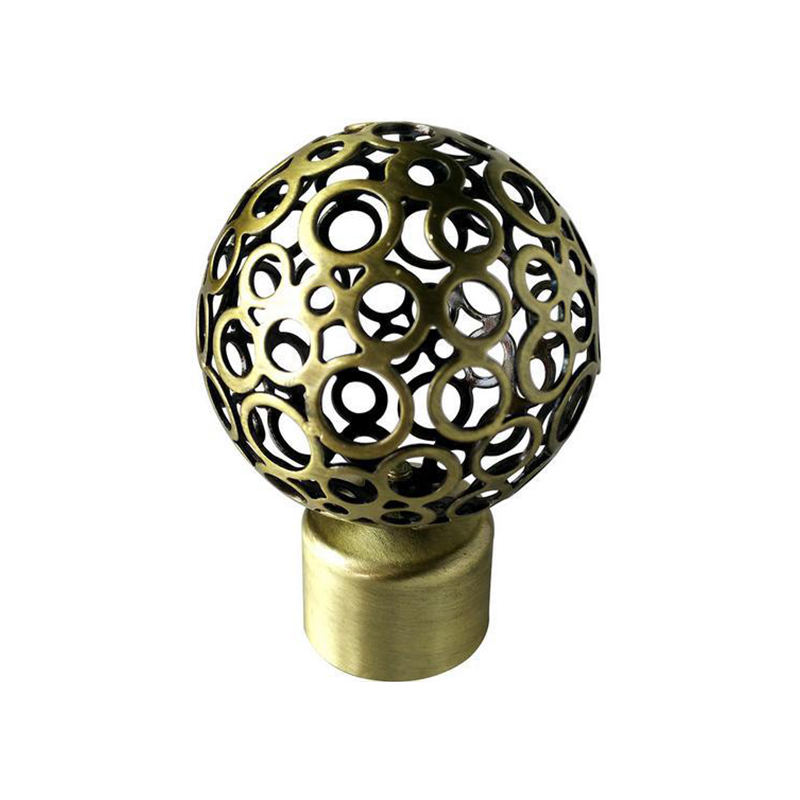
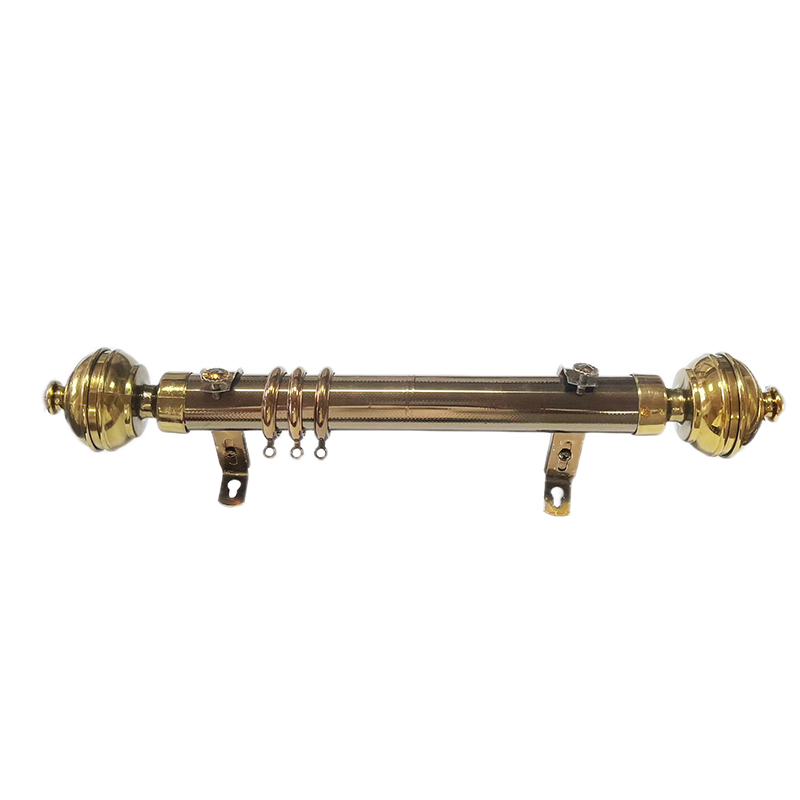
Iron curtain rods are produced from mild steel (sometimes described as wrought iron in retail contexts, though true wrought iron is rarely used in modern commercial production) or from cast iron in the case of decorative end caps and finials. The steel tube or solid bar that forms the rod body is finished with a protective powder coat, enamel paint, or beeswax treatment, and the decorative elements, brackets, and finials may be produced by casting, forging, or pressing to create the ornate shapes associated with traditional and rustic interior design styles.
Load Capacity and Suitability for Heavy Curtains
The high tensile strength of mild steel (typically 400 to 500 MPa, compared to 240 to 310 MPa for aluminum alloy curtain rod grades) and its higher elastic modulus (210 GPa for steel vs 70 GPa for aluminum) give iron and steel curtain rods substantially higher stiffness and load capacity per unit diameter compared to aluminum. A 25 mm iron curtain rod with a 2.0 mm wall carries approximately 3 times the bending load of an equivalent diameter aluminum rod before reaching the same deflection, meaning that iron rods can span significantly longer distances or carry significantly heavier curtain loads without additional center bracket support than aluminum alternatives of the same diameter. For tall, wide windows carrying theatrical weight velvet, chenille, or interlined draperies, iron rods are the structurally appropriate specification.
Design Aesthetic and Decorative Applications
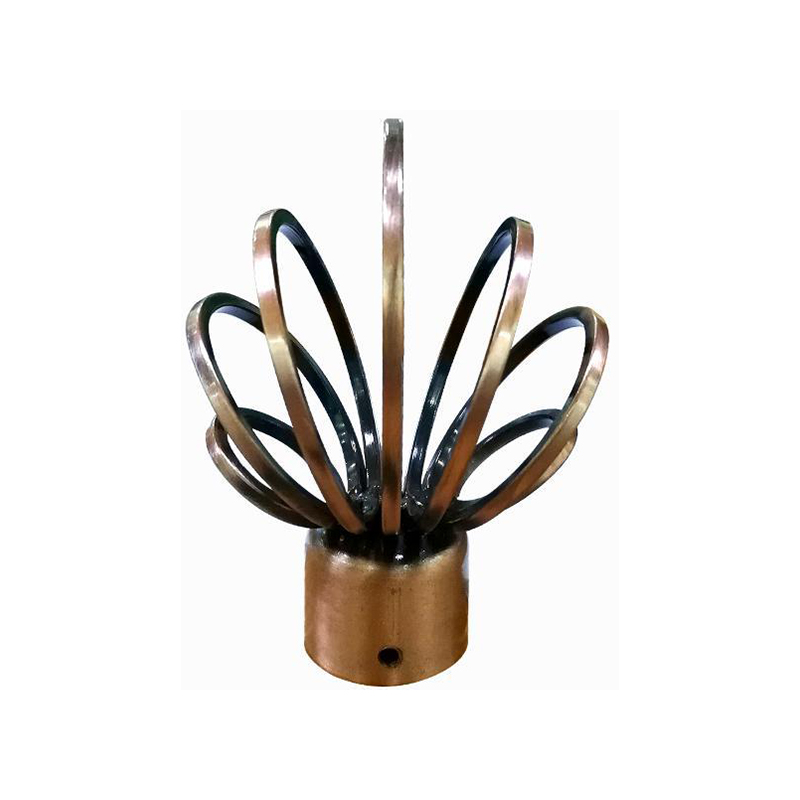
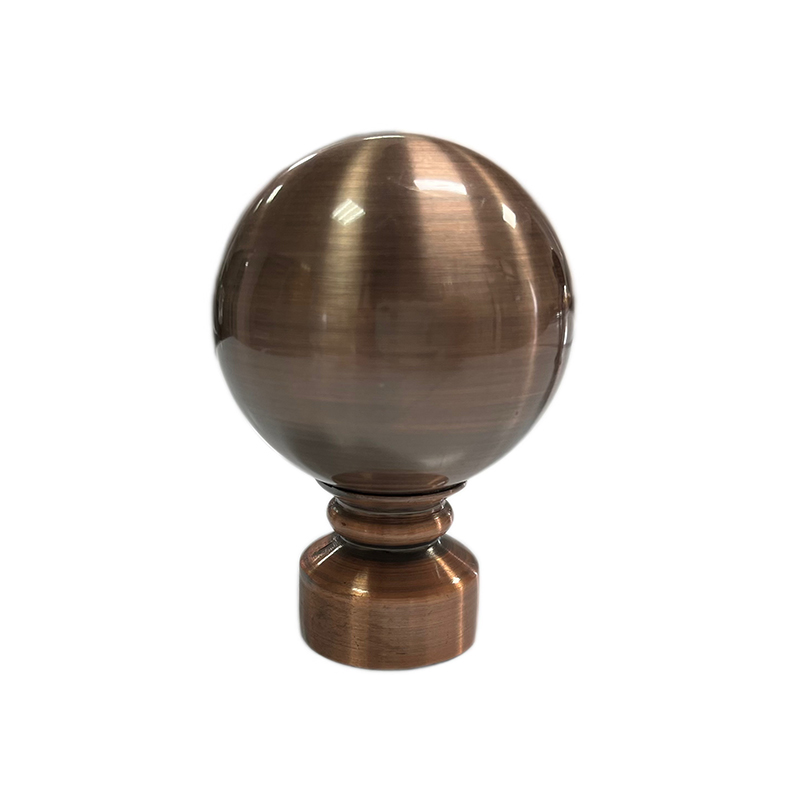
The visual character of an iron curtain rod is fundamentally different from aluminum or PVC alternatives. The greater visual mass of iron rods, their compatibility with ornate cast and forged decorative brackets, and the range of rustic and traditional finishes available (aged bronze, oil rubbed bronze, hammered black, distressed gold) make them the design choice for interior schemes where the curtain hardware is intended to be a visible and character defining element rather than a neutral functional component. Iron curtain rods are consistently specified in:
- Traditional and classical interior styles: Georgian, Victorian, French country, and Colonial interiors where the visual language of forged metal hardware complements the material palette of the wider room design.
- Rustic and industrial design schemes: Exposed brick walls, reclaimed timber floors, and industrial loft conversions are natural settings for iron curtain rods with their honest, material forward aesthetic and their reference to the craftsmanship of pre industrial ironwork.
- Hotel lobbies and upmarket residential properties: Luxury interior fit outs where the specification of wrought iron rods with handcrafted finials and decorative brackets signals quality and craftsmanship to the occupant or visitor.
Weight and Installation Considerations for Iron Rods
The higher density of iron compared to aluminum (7.8 g/cm3 vs 2.7 g/cm3) means that iron curtain rods are approximately three times heavier per unit length than equivalent diameter aluminum rods. A 3 meter iron rod in 25 mm diameter at 2.0 mm wall thickness weighs approximately 3.5 kg without fittings, compared to approximately 1.2 kg for the equivalent aluminum rod. This weight must be supported by the wall brackets and the wall anchors securing them, and in hollow walls, masonry anchors, or stud found fixings of adequate load rating must be used to prevent the brackets pulling out of the wall under the combined weight of the rod and the curtains it carries.
Comparing All Three Curtain Rod Materials
| Factor | PVC Wrapped Curtain Rod | Aluminum Curtain Rod | Iron Curtain Rod |
|---|---|---|---|
| Typical load capacity | 5 to 12 kg per meter | 15 to 40 kg per meter | 40 to 80 kg per meter |
| Weight of rod (25 mm, 3 m) | Approx. 1.0 to 1.5 kg | Approx. 1.2 to 2.0 kg | Approx. 3.5 to 5.0 kg |
| Corrosion resistance | Excellent (PVC surface) | Excellent (anodized or powder coated) | Moderate (finish dependent) |
| Aesthetic range | Limited; basic or wood effect prints | Wide; modern, contemporary finishes | Wide; traditional, rustic, luxury finishes |
| Gliding performance | Adequate for light curtains | Excellent; smooth consistent surface | Good; depends on finish quality |
| Relative cost | Lowest | Medium | Medium to high |
| Best for | Bathrooms, kitchens, budget installs | Most residential rooms; modern interiors | Heavy curtains; traditional and luxury schemes |
Installation Tips That Apply to All Three Curtain Rod Types
Regardless of which curtain rod material is chosen, the installation quality determines whether the rod performs correctly and safely over its service life. The following principles apply to all three rod types and will prevent the most common installation failures:
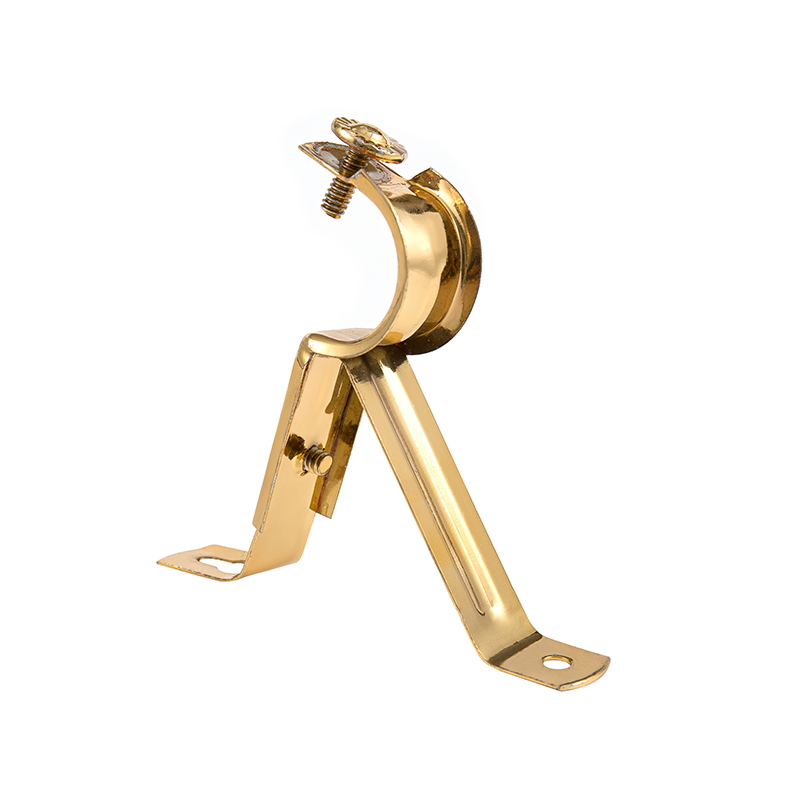
- Always fix into structural elements or use appropriate hollow wall anchors. A curtain rod bracket fixed only into plasterboard or drywall without a stud or appropriate hollow wall anchor will pull out under the weight of heavy curtains, particularly during opening and closing when dynamic loads are applied. Locate wall studs or use toggle bolts, hollow wall anchors, or specialist drywall fixings rated for the combined weight of the rod and the curtains.
- Use a center bracket support for any rod spanning more than 180 cm. Without center support, even a stiff iron rod will deflect visibly under the weight of heavy curtains at spans above 200 cm, and aluminum and PVC rods will deflect at even shorter spans. A center support bracket halves the effective span and reduces deflection to one quarter, which is a geometrically significant improvement that eliminates visible sagging in virtually all practical cases.
- Position the rod at the correct height and projection from the wall. The rod should be mounted at least 10 to 15 cm above the window frame to allow the curtain heading to clear the frame when fully drawn. The bracket projection from the wall must be sufficient that the curtains hang clear of the window sill, architrave, and any window handle hardware. A minimum projection of 8 to 12 cm from the wall is appropriate for most standard curtain heading types.
- Check that the rod extends sufficiently beyond the window frame on each side. The rod should extend 15 to 30 cm beyond each side of the window frame to allow the curtains to stack back clear of the glazed area when fully open, maximizing the natural light available. Rods mounted too close to the window edges leave the curtain stack partially covering the glass even when open, reducing daylight and making the window appear smaller.
The decision between a PVC wrapped curtain rod, an aluminum curtain rod, and an iron curtain rod is ultimately determined by the combination of the curtain weight, the window width, the room's design character, and the budget available. Understanding the structural and aesthetic differences between these three materials, as presented in this article, equips any homeowner, interior designer, or contractor to make a selection that will perform correctly and look right in the space for its entire service life.