English
 Français
 عربى
عربى
Curtain rods are one of those components in interior design that do far more work than their modest appearance suggests. They carry the full weight of the curtain panel, endure repeated daily pulling and releasing, resist the warping and sagging that come with time and humidity, and contribute significantly to the finished look of every window they frame. Choosing the wrong rod material means replacing it within a few years, dealing with sagging across wide spans, struggling with curtains that stick and catch, or watching a finish corrode in a bathroom or kitchen environment where moisture is constant.
The direct answer for anyone comparing the three main curtain rod materials is this: aluminum rods offer the best combination of lightness, corrosion resistance, and value for the widest range of residential applications; PVC wrapped curtain rods are the practical choice for high humidity environments and budget sensitive projects where weight and cost matter; and iron curtain rods provide the load capacity, span strength, and decorative weight that heavy curtains and wide windows demand, at a higher cost and with a greater maintenance obligation in damp environments. This article covers all three materials in technical and practical depth, explains the differences in construction and finish, and provides the selection framework for matching the right rod to any installation.
What a Curtain Rod Must Do: Performance Requirements Before Material Choice
Before comparing materials, it is useful to understand what physical demands a curtain rod faces in normal use, because these requirements directly determine which material properties matter most for a given application. A curtain rod must resist bending under the combined weight of the curtain and the dynamic loads imposed each time the curtain is drawn. It must maintain dimensional stability so that the curtain glides smoothly on rings or runners rather than binding at sag points. Its surface must withstand the friction of rings passing over it thousands of times without wearing through to a rough substrate that scratches rings and snags fabric. Its finish must resist the specific environmental conditions of the room it is installed in, which may include high humidity, cleaning product exposure, or direct sunlight.
Load Bearing Capacity and Span Limits
The span between brackets is the most critical variable governing whether a rod will sag unacceptably in use. For a uniformly loaded beam (which is a reasonable approximation of a curtain rod with evenly spaced rings), the maximum deflection at the center of the span increases with the cube of the span length and decreases in proportion to the beam's second moment of area and its elastic modulus. This means that doubling the span length increases center deflection by a factor of eight, making long span installations far more sensitive to material and section choice than short span ones. For spans above 150 centimeters, the choice of rod material and diameter becomes critical: a standard 19 mm diameter aluminum rod may deflect acceptably over a 120 cm span but visibly sag over a 200 cm span carrying medium weight curtains, while a 25 mm diameter iron rod of equivalent wall thickness would maintain straightness across the same 200 cm span under considerably heavier fabric.
Surface Smoothness and Ring Compatibility
The outer surface of the rod must be smooth and uniform enough for curtain rings to slide freely without catching, jamming, or wearing. This requirement affects material choice because different materials achieve their surface finish in different ways and maintain it differently over time. An extruded aluminum rod has a naturally smooth surface that can be anodized or powder coated to a very consistent finish, and this finish does not degrade significantly in normal residential use. A PVC wrapped rod has a plastic outer surface that is inherently smooth but may become tacky with age or in high temperature environments. An iron rod with a painted or powder coated finish is smooth when new but any surface breach from a scratch or chip can allow rust to develop beneath the finish, eventually creating rough spots that impede ring movement.
Aluminum Curtain Rods: Lightweight Strength and Corrosion Resistance
Aluminum curtain rods are produced from aluminum alloy tube, typically extruded to precise dimensions, and then surface finished by anodizing, powder coating, or electroplating depending on the intended aesthetic. Aluminum's combination of low density (2.7 g per cubic centimeter compared to 7.9 g per cubic centimeter for iron), adequate strength for most residential curtain loads, and inherent corrosion resistance through natural oxide formation makes it the most widely specified material for curtain rods in modern residential and light commercial settings.
Why Aluminum's Corrosion Resistance Is Genuinely Superior
Aluminum forms a thin, adherent layer of aluminum oxide on its surface when exposed to air or moisture, and this oxide layer is chemically stable and self repairing. If the surface is scratched through the oxide layer, a new oxide layer forms immediately in contact with air, restoring the protective barrier without any intervention. This self repairing corrosion protection means that aluminum curtain rods in bathrooms, kitchens, or conservatories with high ambient humidity remain stable and attractive without the maintenance interventions needed for iron or uncoated steel rods in the same environments. Anodized aluminum rods, which have an electrochemically thickened oxide layer of 5 to 25 micrometers, provide corrosion resistance that exceeds bare aluminum and withstands salt spray testing for more than 1,000 hours without visible degradation, making anodized aluminum the correct specification for coastal and marine environments where even minor metal corrosion is problematic.
Load Capacity and Span Performance of Aluminum Rods
Aluminum alloy has a tensile strength of 200 to 310 MPa for the common 6000 series alloys used in extruded profiles, and an elastic modulus of 70 GPa. These values are roughly one third of the equivalent values for structural steel, which means an aluminum rod of the same dimensions as an iron rod will deflect approximately three times as much under the same load. In practice, aluminum rod manufacturers compensate for this through larger diameters: a 25 mm diameter aluminum tube provides adequate stiffness for spans up to approximately 150 cm with medium weight curtains. For spans above 150 cm, center brackets should be added, or a larger diameter rod of 28 to 32 mm should be specified.
The weight advantage of aluminum over iron is significant not just for handling ease during installation but for the stresses imposed on wall fixings. An aluminum rod assembly of a given length imposes approximately one third of the dead load on the wall anchors compared to an iron rod of the same dimensions, which is relevant in installations with plasterboard walls where anchor capacity is limited.
Finish Options and Aesthetic Versatility
Aluminum rods are available in a wide range of finishes that suit different interior design styles:
- Brushed aluminum (satin anodized): The default finish for contemporary and minimalist interiors. The fine brushed texture minimizes the appearance of minor scratches and fingerprints and reads as a neutral, modern finish that coordinates well with steel hardware throughout the home.
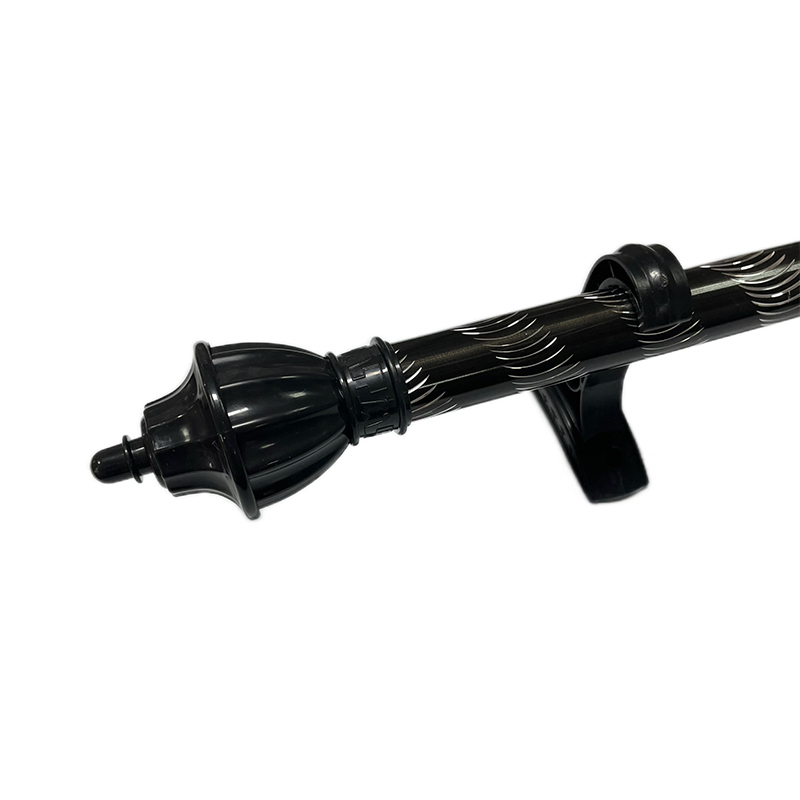
- Powder coated in RAL colors: Available in any standard RAL color for design led installations where the curtain rod is a deliberate decorative element rather than a background component. White, black, and gold are the most widely specified powder coat colors for residential use.
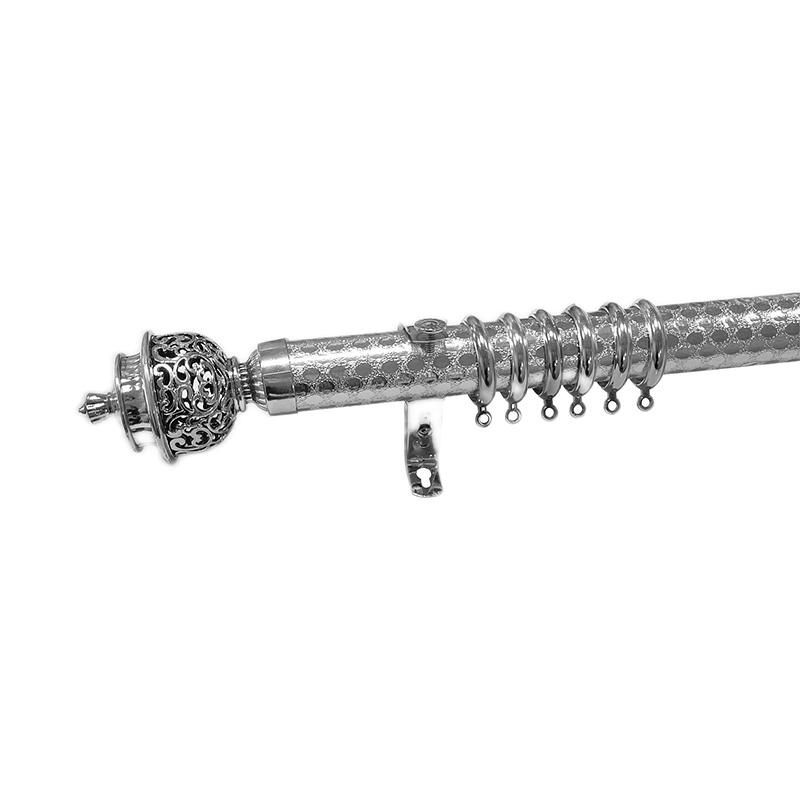
- Electroplated finishes (chrome, nickel, brass look): A thin metal plating over the aluminum substrate providing a polished metallic appearance. Chrome plating is particularly popular for bathroom curtain rods where the finish coordinates with chrome taps and accessories.
PVC Wrapped Curtain Rods: Moisture Immunity and Budget Practicality
PVC wrapped curtain rods consist of a metal core, typically a steel or iron tube, covered with a layer of PVC (polyvinyl chloride) plastic that forms the visible outer surface. The PVC layer completely encapsulates the metal core, eliminating direct contact between the metal and the environment and providing corrosion immunity that is absolute as long as the PVC covering remains intact. This construction makes PVC wrapped rods particularly suitable for bathroom and shower applications where constant moisture exposure would cause an unprotected iron or steel rod to rust rapidly.
Construction and How the PVC Layer Protects the Metal Core
The PVC wrapping process for curtain rods uses either a co extrusion method where PVC and the metal tube are processed simultaneously, or a post extrusion wrapping method where a pre extruded PVC tube is applied over the metal core under heat and pressure. The co extrusion method produces a more consistent bond between the PVC and metal, reducing the risk of air gaps at the interface that could allow moisture ingress if the PVC surface is breached. The thickness of the PVC layer is typically 1 to 3 mm, sufficient to provide a smooth outer surface and adequate insulation of the metal from the environment without adding excessive bulk to the rod profile.
The key limitation of PVC wrapped rods is the long term stability of the PVC material. PVC plasticizers can migrate from the material over time, particularly in high temperature environments or under prolonged UV exposure, causing the PVC surface to become brittle, discolored, or tacky. Quality PVC wrapped curtain rods include UV stabilizers and thermal stabilizers in the PVC compound that extend the useful life of the covering to 10 to 15 years under normal residential conditions, compared to 3 to 5 years for unstabilized PVC formulations.
Suitable Applications for PVC Wrapped Rods
PVC wrapped curtain rods are most effectively specified in the following installation contexts:
- Bathroom and shower areas: The total moisture impermeability of intact PVC makes these rods the practical first choice for shower curtain applications and bathroom window curtains where humidity and occasional direct water contact are unavoidable. No maintenance is required for moisture resistance in this application.
- Rental and budget renovation projects: PVC wrapped rods are among the most affordable curtain rod options available, typically costing 30 to 60 percent less than equivalent aluminum rods of the same diameter and length. For rental properties, student accommodation, and budget renovations where the priority is functional and presentable rather than premium and durable, PVC wrapped rods offer adequate performance at minimum cost.
- Lightweight sheer and voile curtains: PVC wrapped rods with an iron core have adequate stiffness for lightweight curtain fabrics on moderate spans. For heavier curtains, the reduced elastic modulus at the PVC outer surface means that ring friction varies more with temperature and age than it does on anodized aluminum or powder coated iron, potentially causing uneven curtain travel over time.
Iron Curtain Rods: Maximum Load Capacity and Period Aesthetic
Iron curtain rods, more precisely wrought iron or steel rods with a decorative finish, are the traditional choice for heavy curtains, wide window spans, and interior design styles that demand visible structural weight and period character. Iron has a tensile strength of 400 to 600 MPa for common mild steel grades, and an elastic modulus of approximately 210 GPa, roughly three times the stiffness of aluminum for the same cross section. This means an iron or steel rod of a given diameter can span considerably greater distances than an aluminum rod of the same diameter without unacceptable deflection, and can carry considerably heavier curtain fabrics without requiring a center bracket or a larger diameter rod.
Span and Load Advantages of Iron Over Aluminum
A standard 19 mm diameter iron curtain rod can span approximately 200 cm without a center bracket while supporting heavy lined curtains weighing up to 5 kg per panel, whereas an aluminum rod of the same diameter would require a center bracket at approximately 140 cm for equivalent curtain weights. This span advantage makes iron the practical choice for wide window bays, bay windows, and living room or dining room windows with heavy lined or blackout curtain panels where the curtain weight per running meter may be 2 to 4 kg and the window width may be 250 cm or more.
The greater mass of iron relative to aluminum also contributes positively to the dynamic behavior of the curtain system: heavier rods absorb more of the impulse loading from curtains being drawn quickly, resulting in less rod movement and rattle under dynamic use compared to lighter rods of equal stiffness.
Corrosion Vulnerability and Finish Maintenance
The fundamental limitation of iron curtain rods is their susceptibility to rust wherever the protective finish is breached. Iron corrodes readily in the presence of moisture and oxygen, and the rust that forms is expansive, meaning it occupies a larger volume than the iron from which it forms. This means that a small surface rust spot does not simply remain small: the expanding rust undercuts the surrounding finish, causing progressively larger areas of flaking and exposure. In dry interior environments, a good quality powder coated iron rod will remain rust free for many years because humidity levels are insufficient to sustain active corrosion. In bathrooms, kitchens, conservatories, or any space with elevated humidity, iron rods without an exceptional sealed finish or regular maintenance will typically show visible rust within 2 to 5 years.
Powder coating is the most effective finish for residential iron curtain rods, providing a hard, dense polymer barrier over the iron surface that is substantially more durable than liquid paint finishes and provides far better edge coverage at bracket holes and ring contact points where paint typically thins. Thermosetting powder coat finishes on iron curtain rods typically achieve 60 to 80 micrometers dry film thickness, which passes 500 to 1,000 hours salt spray testing per ISO 9227 without corrosion breakthrough at undamaged surfaces, giving an adequate service life in dry to moderately humid interior conditions. However, any chip or scratch through the powder coat must be touched up promptly to prevent rust initiation at the exposed iron surface.
Design Styles Best Suited to Iron Curtain Rods
Iron curtain rods are most aesthetically at home in interior design schemes that value visible material weight, traditional craftsmanship, and period character. They are the natural choice for:
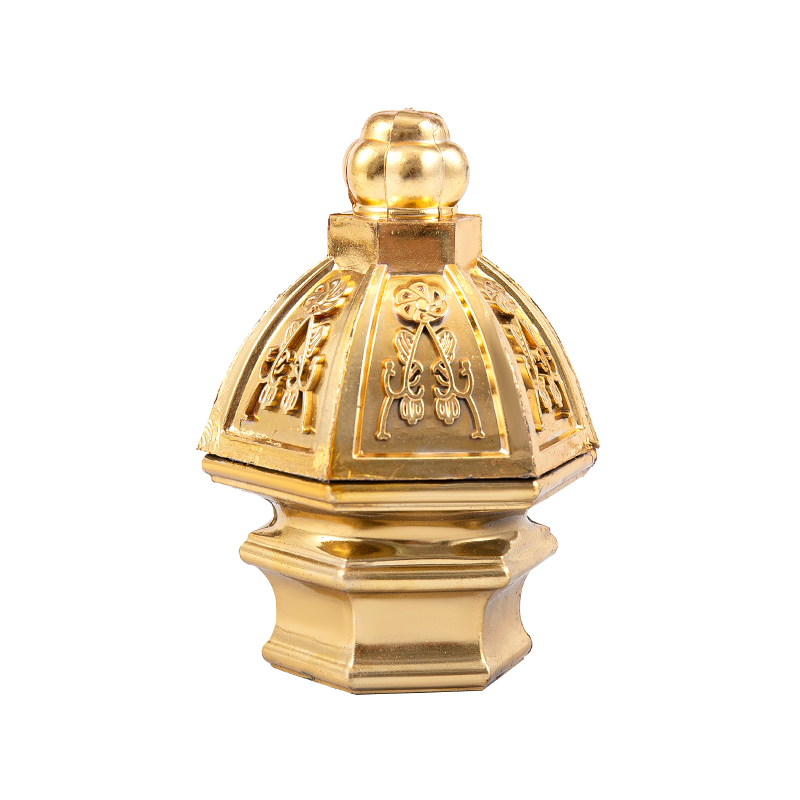
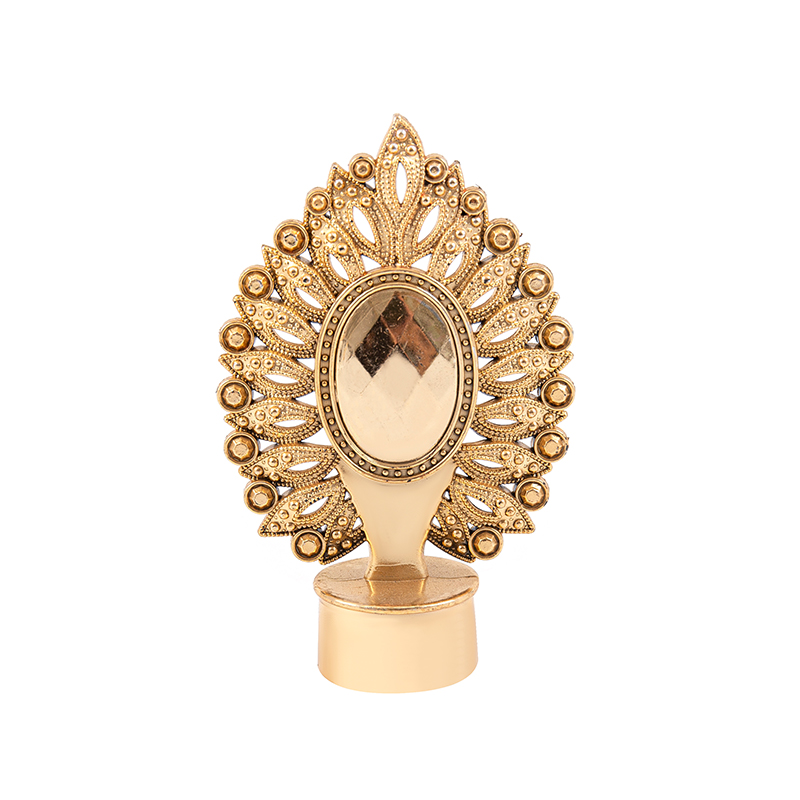
- Traditional and classical interiors: Heavily styled rooms with ornate cornicing, period furniture, and rich fabric treatments suit decorative iron finials and scrolled bracket designs that are unavailable in aluminum or PVC wrapped formats.
- Industrial and loft aesthetics: Matte black powder coated iron rods coordinate naturally with exposed structural steel, concrete surfaces, and the unfinished material aesthetic of industrial inspired interiors where the visibility of robust structural elements is a deliberate design choice.
- Living rooms and bedrooms with heavy curtains: Any room where full length lined drapes, velvet curtains, or heavy blackout panels are specified benefits from the load and span capacity of iron, which eliminates the need for multiple center brackets that interrupt the clean line of the rod across wide windows.
Comparing All Three Curtain Rod Materials: A Selection Reference
The following table consolidates the key performance and practical characteristics of aluminum, PVC wrapped, and iron curtain rods to support direct comparison across the factors that matter most for installation and purchasing decisions.
| Factor | Aluminum Rod | PVC Wrapped Rod | Iron or Steel Rod |
|---|---|---|---|
| Corrosion resistance | Excellent: self repairing oxide layer | Excellent while PVC intact; poor if breached | Poor without maintained finish; rusts readily |
| Maximum unsupported span (19 mm rod) | Up to 140 cm with medium curtains | Up to 120 cm with light curtains | Up to 200 cm with heavy curtains |
| Weight per meter (approx.) | 0.4 to 0.7 kg per meter | 0.5 to 0.9 kg per meter | 1.2 to 2.0 kg per meter |
| Relative cost | Medium | Low to medium | Medium to high |
| Best room types | All rooms; excellent in kitchens and bathrooms | Bathrooms; budget residential projects | Living rooms; bedrooms with heavy curtains |
| Maintenance requirement | Very low: wipe clean only | Low: avoid sharp objects that pierce PVC | Moderate: touch up chips promptly; avoid damp |
| Design style suitability | Contemporary, minimalist, transitional | Functional, practical, low visibility | Traditional, industrial, classic |
Installation Tips and Sizing Guidance for All Three Rod Types
Correct installation of any curtain rod, regardless of material, requires attention to bracket placement, wall anchor selection, rod length, and extension beyond the window frame. The following guidance applies across all three materials, with specific notes where material differences affect the recommendation.
Rod Length and Extension Beyond the Window Frame
The rod should extend 15 to 20 cm beyond the window frame on each side to allow the curtain to stack completely off the glass when fully open, maximizing the daylight entering the room and the apparent width of the window. For a window of 120 cm clear opening width, the rod should be 150 to 160 cm long. The brackets should be placed 8 to 12 cm from each end of the rod to leave adequate rod length for the curtain rings to stack beyond the bracket position without fouling the bracket when the curtain is fully open.
Wall Anchor Selection for Different Rod Weights
The wall anchor capacity must exceed the total downward load on each bracket, which equals half of the combined weight of the rod, all rings, and the curtain fabric divided by the number of brackets. For iron rods with heavy curtains, this load can reach 3 to 5 kg per bracket, requiring heavy duty plastic cavity anchors rated for 8 kg or above in plasterboard walls, or direct screw fixing into timber framing or masonry. Aluminum rods with lightweight curtains impose loads of 0.5 to 1.5 kg per bracket, suitable for standard plastic anchors in plasterboard. PVC wrapped rods are intermediate but closer to the lighter loading category for typical applications.
When to Add a Center Bracket
As a practical rule for residential installations:
- Add a center bracket for any aluminum rod spanning more than 150 cm with medium or heavy curtains, or more than 120 cm with very heavy lined curtains.
- Add a center bracket for any PVC wrapped rod spanning more than 120 cm with anything other than sheer or voile curtain fabrics.
- Add a center bracket for iron rods spanning more than 200 cm with heavy curtains, or more than 250 cm regardless of curtain weight.
The correct curtain rod for any installation is ultimately determined by the interaction of three variables: the room environment (humidity and potential corrosive exposure), the curtain weight and span of the window, and the interior design aesthetic to be achieved. Aluminum satisfies all three dimensions for the greatest number of residential scenarios. PVC wrapped rods satisfy the environment and cost dimensions at the expense of some span performance and design versatility. Iron rods satisfy the span, load, and design dimensions at the cost of maintenance obligation and higher weight. Buying the rod that correctly addresses the most demanding of these three variables for the specific installation is the decision that prevents the dissatisfaction of premature replacement or ongoing frustration with a rod that sags, rusts, or looks out of place.