English
 Français
 عربى
عربى
Why PVC Wrapped Curtain Rods Deliver Practical Value
PVC wrapped curtain rods offer an economical and versatile window treatment solution that combines the structural strength of metal cores with the aesthetic flexibility and corrosion resistance of polyvinyl chloride exterior coatings. Unlike solid metal rods that corrode in humid bathrooms or solid wood rods that warp and crack under moisture exposure, PVC wrapped rods maintain dimensional stability and appearance across diverse interior environments including kitchens, bathrooms, and coastal properties. The manufacturing process extrudes or wraps a PVC layer around steel or aluminum cores, creating composite rods that weigh 40 to 50 percent less than equivalent solid metal products while supporting comparable curtain loads.
The global curtain rod market reached approximately $3.2 billion in 2024, with PVC wrapped and coated metal segments representing 28 percent of total sales. This significant market share reflects consumer preference for low maintenance, budget friendly options that do not compromise on load bearing capacity or design versatility. Understanding the construction details, finish options, and installation requirements of PVC wrapped curtain rods enables informed selection for specific room applications and curtain weights.
Construction Methods and Material Composition
The performance characteristics of PVC wrapped curtain rods depend significantly on core material selection, PVC layer thickness, and manufacturing quality control.
Steel Core Configurations
Steel core PVC wrapped rods utilize hollow or solid steel tubes as structural backbones, providing maximum rigidity for spans exceeding 200 centimeters. Hollow steel cores with wall thicknesses of 0.8 to 1.2 millimeters offer optimal strength to weight ratios, supporting drapery weights up to 15 kilograms on single bracket installations. Solid steel cores increase this capacity to 25 kilograms but add significant weight that complicates installation and increases shipping costs.
Steel cores receive phosphate conversion coatings or zinc plating before PVC application to prevent corrosion if the PVC layer becomes damaged. This protective underlayer ensures that minor scratches or abrasions do not initiate rust that would stain curtains or wall surfaces. High quality manufacturers perform salt spray testing for minimum 48 hours per ASTM B117 to validate underlayer protection effectiveness.
Aluminum Core Alternatives
Aluminum core rods eliminate corrosion concerns entirely while reducing weight by an additional 30 percent compared to steel core equivalents. Extruded aluminum profiles with 1.5 to 2.0 millimeter wall thicknesses provide adequate stiffness for light to medium weight curtains up to 10 kilograms. The material's natural oxide layer offers inherent corrosion protection, though anodizing treatments before PVC wrapping improve coating adhesion and surface hardness.
Aluminum cores suit coastal installations where salt air accelerates steel corrosion, and humid bathroom environments where condensation contacts rod surfaces. However, aluminum's lower modulus of elasticity produces greater deflection under load, limiting practical spans to 150 centimeters without center support brackets for medium weight applications.
PVC Coating Specifications
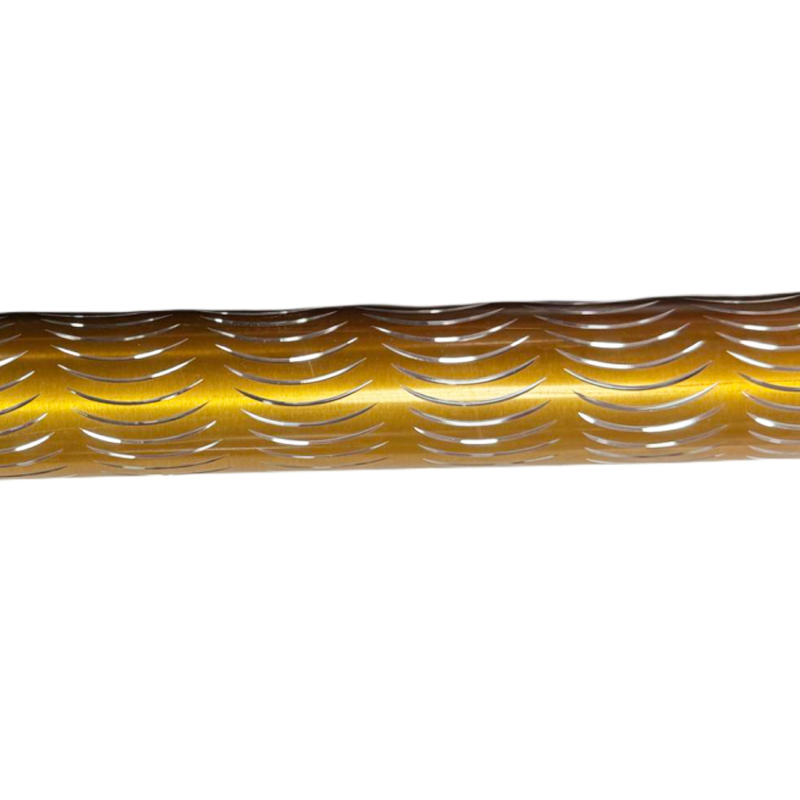
The PVC wrapping layer typically measures 0.5 to 2.0 millimeters in thickness depending on rod diameter and intended application. Thinner coatings of 0.5 to 1.0 millimeters suit smooth finish rods where precise dimensional control matters. Textured or wood grain finishes require thicker coatings of 1.5 to 2.0 millimeters to achieve adequate pattern depth and tactile authenticity.
PVC formulation affects durability and environmental safety. Rigid PVC compounds with 5 to 10 percent impact modifier content provide toughness resisting cracking during installation bending or accidental impacts. Phthalate free formulations address indoor air quality concerns, particularly in children's bedrooms and healthcare facilities. UV stabilizers at 0.5 to 1.0 percent concentration prevent color fading in sun exposed installations, maintaining appearance for 5 to 7 years of direct sunlight exposure.
| Core Material | Weight Reduction | Max Load Capacity | Corrosion Resistance | Max Span Without Center Support |
|---|---|---|---|---|
| Hollow Steel | 40 to 50% | 15 kg | Good with intact PVC | 200 cm |
| Solid Steel | 30 to 40% | 25 kg | Good with intact PVC | 250 cm |
| Aluminum | 60 to 70% | 10 kg | Excellent | 150 cm |
Finish Options and Aesthetic Versatility
PVC wrapping technology enables surface finishes impossible or prohibitively expensive to achieve with bare metal or solid wood, expanding design possibilities across interior styles.
Metallic Finish Replications
Modern PVC formulations replicate brushed nickel, satin chrome, antique brass, and oil rubbed bronze appearances with remarkable fidelity. Metallic pigment dispersions within the PVC compound create subtle luster variations mimicking actual metal surfaces. These finishes avoid the cold feel of metal in winter months and eliminate fingerprint visibility that plagues polished metal rods. The PVC surface maintains consistent color without the tarnishing or oxidation affecting genuine metal finishes after 2 to 3 years of exposure.
Chrome plated PVC wraps provide mirror like reflectivity for contemporary interiors, though these finishes show water spots and require more frequent cleaning than brushed alternatives. The PVC substrate prevents underlying corrosion that causes bubbling and peeling common to electroplated metal rods in humid environments.
Wood Grain and Textured Surfaces
Embossed PVC wraps reproduce oak, walnut, cherry, and mahogany grain patterns with photographic accuracy. These finishes suit traditional and transitional interiors where wood tones coordinate with furniture and flooring. Unlike solid wood rods that expand and contract with humidity changes, causing finish cracking and joint separation, PVC wrapped rods maintain dimensional stability across relative humidity ranges of 20 to 80 percent.
Textured finishes including hammered metal, woven fabric, and stone patterns provide tactile interest and hide minor surface imperfections. These options prove particularly valuable in rental properties and commercial spaces where durability and low maintenance supersede premium material authenticity.
Color Solid and Matte Options
Solid color PVC wraps in white, black, gray, and bold accent colors support minimalist and Scandinavian design aesthetics. Matte finishes reduce light reflection and visual clutter in rooms with abundant natural light. Color consistency across production batches exceeds that of painted metal rods, where slight formulation variations create noticeable mismatches when rods from different lots install adjacent to one another.
Rod Diameters and Weight Capacity Relationships
Selecting appropriate rod diameter ensures adequate support for intended curtain weights without excessive deflection or bracket overload.
Standard Diameter Classifications
PVC wrapped curtain rods commonly available in diameters of 16, 19, 25, 28, and 35 millimeters. The 16 millimeter size suits lightweight sheers, café curtains, and decorative valances weighing under 2 kilograms. Nineteen millimeter rods serve as the versatile standard for bedroom and living room drapes of moderate weight. Twenty five millimeter and larger diameters accommodate heavy blackout curtains, thermal lined draperies, and layered treatments combining sheers with decorative panels.
Deflection limits govern maximum practical spans. Industry standards recommend maximum mid span deflection of span length divided by 240 under full load. For a 200 centimeter span, this equates to 8.3 millimeters maximum sag. A 19 millimeter diameter steel core PVC wrapped rod meets this criterion for 8 kilogram loads, while 25 millimeter rods extend capacity to 15 kilograms over the same span.
Load Distribution and Bracket Spacing
Bracket placement significantly affects load capacity. End brackets alone create cantilever stresses concentrating at support points. Center support brackets reduce maximum bending moments by 50 to 75 percent, effectively doubling load capacity for equivalent rod specifications. For spans exceeding 180 centimeters with medium to heavy curtains, specify center support brackets even when end brackets alone appear structurally adequate. This redundancy prevents gradual sag development and bracket loosening over time.
Ring or glider spacing influences load distribution along the rod. Standard spacing of 10 to 15 centimeters between hanging points creates relatively uniform load distribution. Wide spacing exceeding 20 centimeters between rings concentrates loads and increases localized bending stress. For heavy curtains with widely spaced rings, increase rod diameter or add intermediate supports.
Hardware Components and System Integration
Complete PVC wrapped curtain rod systems include brackets, finials, rings, and connectors that must coordinate functionally and aesthetically with the rod itself.
Mounting Bracket Design and Capacity
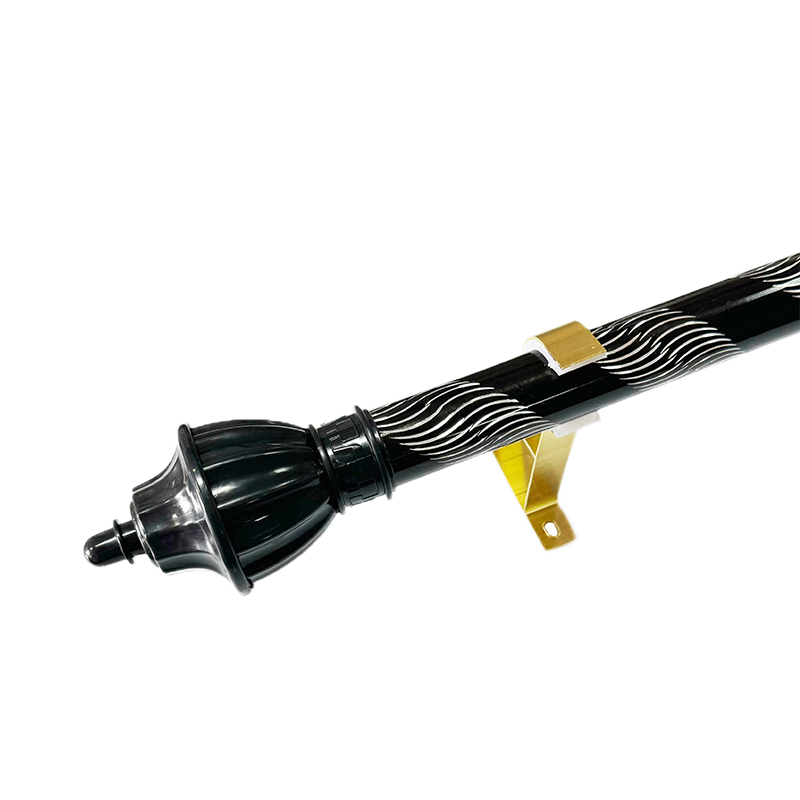
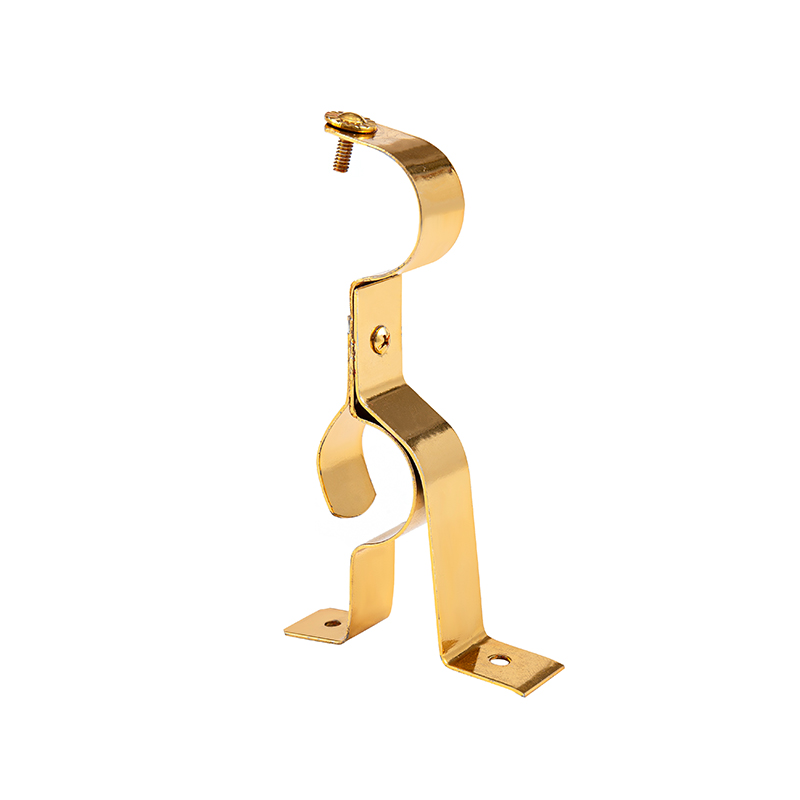
Wall mounted brackets for PVC wrapped rods typically utilize steel or zinc alloy construction with matching PVC coated or painted finishes. Bracket projection from the wall ranges from 8 to 15 centimeters, accommodating different curtain header styles and window frame depths. Load ratings should exceed actual curtain weights by minimum 50 percent safety factors to account for dynamic loads during curtain operation and occasional pulling by children or pets.
Ceiling mounted brackets provide solutions for bay windows, room dividers, and situations where wall mounting proves impractical. These brackets require secure attachment to ceiling joists or structural blocking, as drywall alone cannot support significant curtain loads. Toggle bolts or molly bolts through drywall into hollow spaces support only 2 to 3 kilograms maximum and should never be used for heavy draperies.
Finial Styles and Attachment Methods
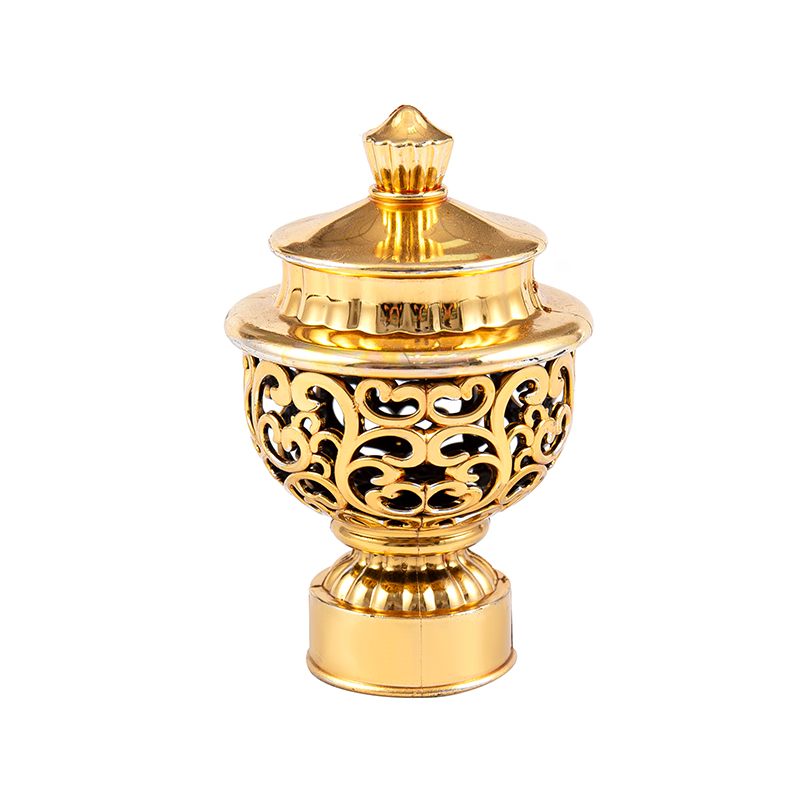
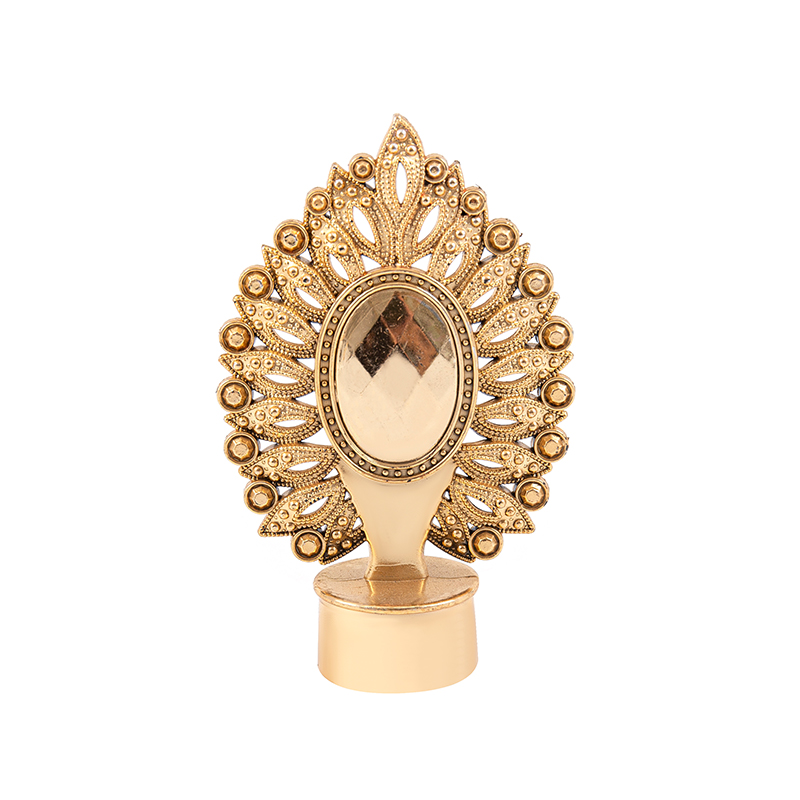
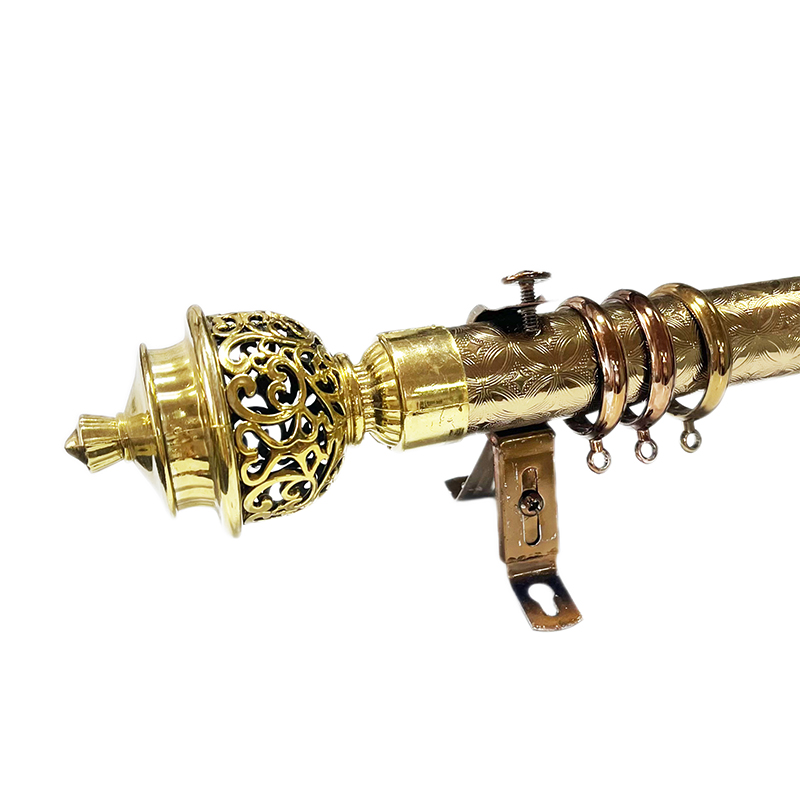
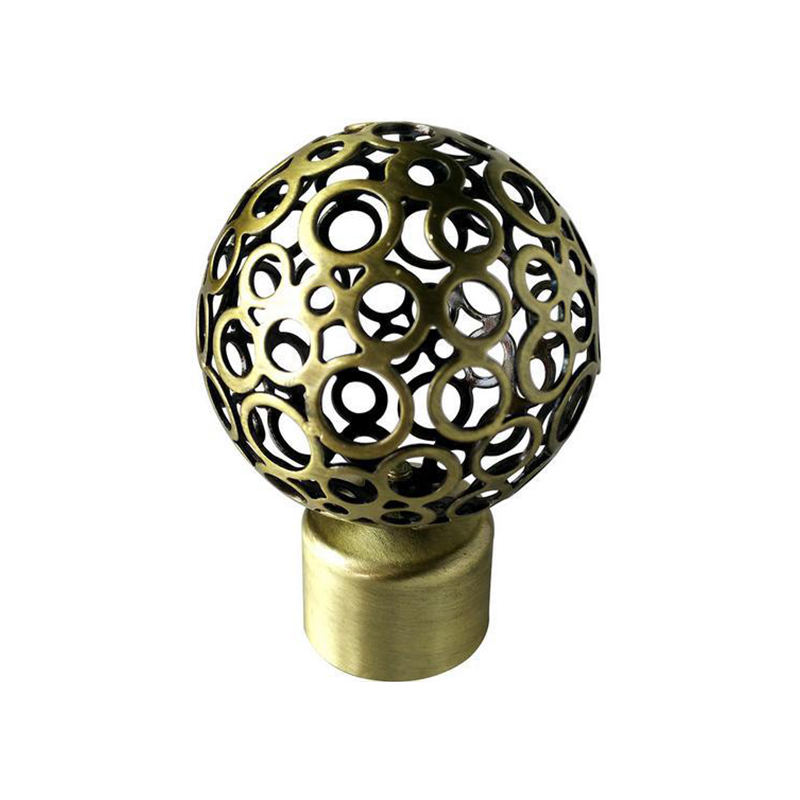
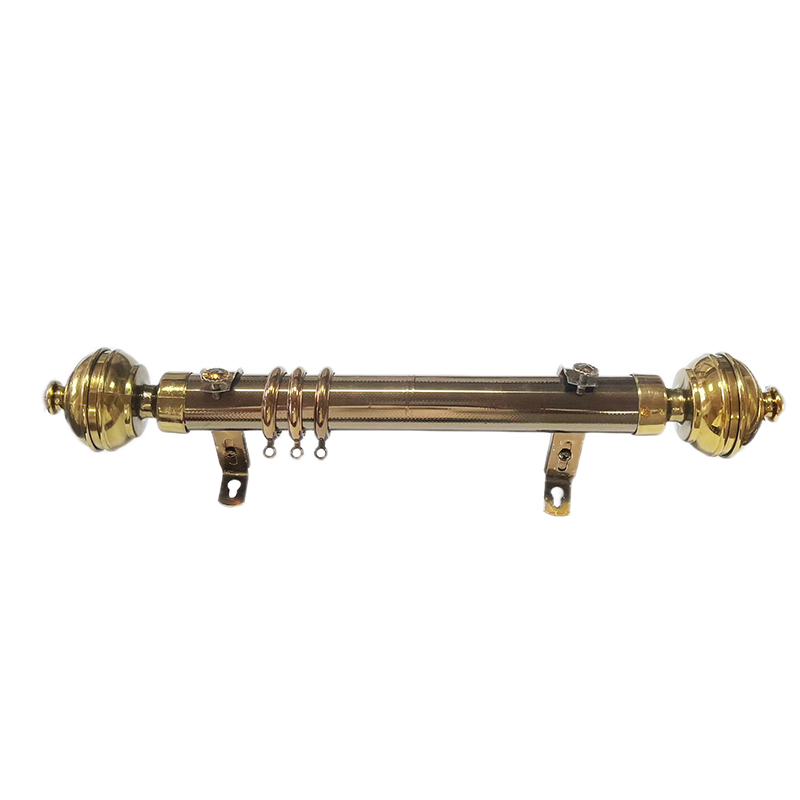
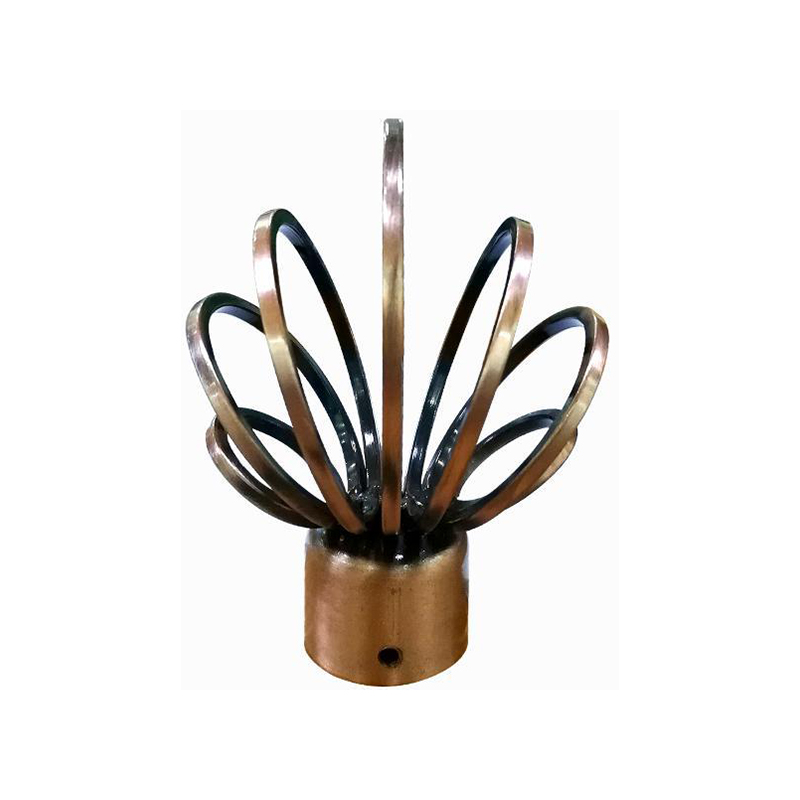
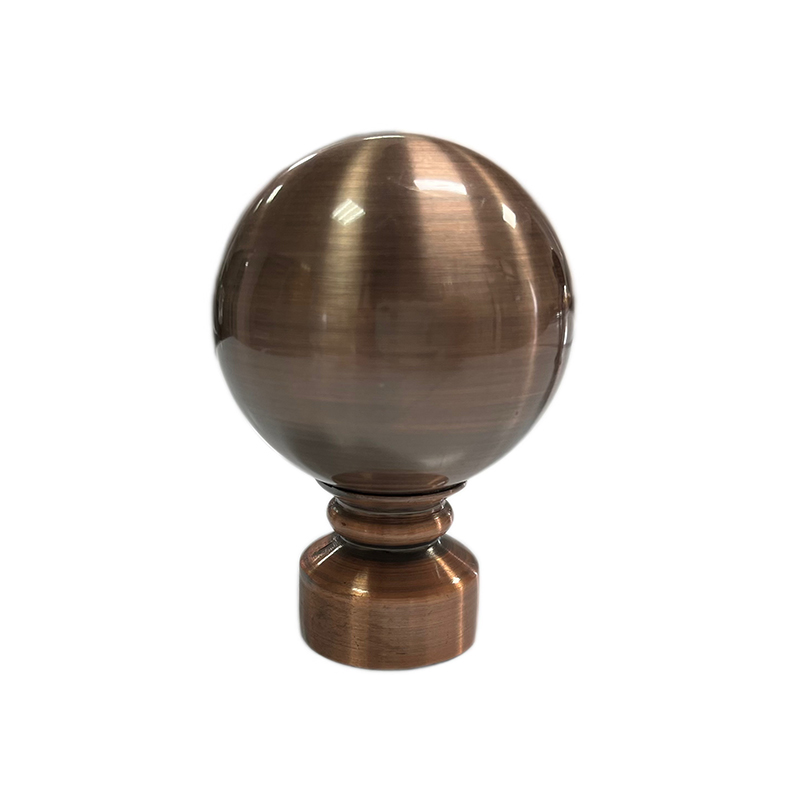
Finials complete rod ends decoratively while preventing curtain rings from sliding off. PVC wrapped rod systems offer finials in matching finishes including ball, urn, spear, and geometric shapes. Threaded finial attachments screw into rod ends and remain secure during normal use. Set screw attachments allow finial removal for curtain changes but may loosen over time requiring periodic tightening.
Rings, Gliders, and Traverse Mechanisms
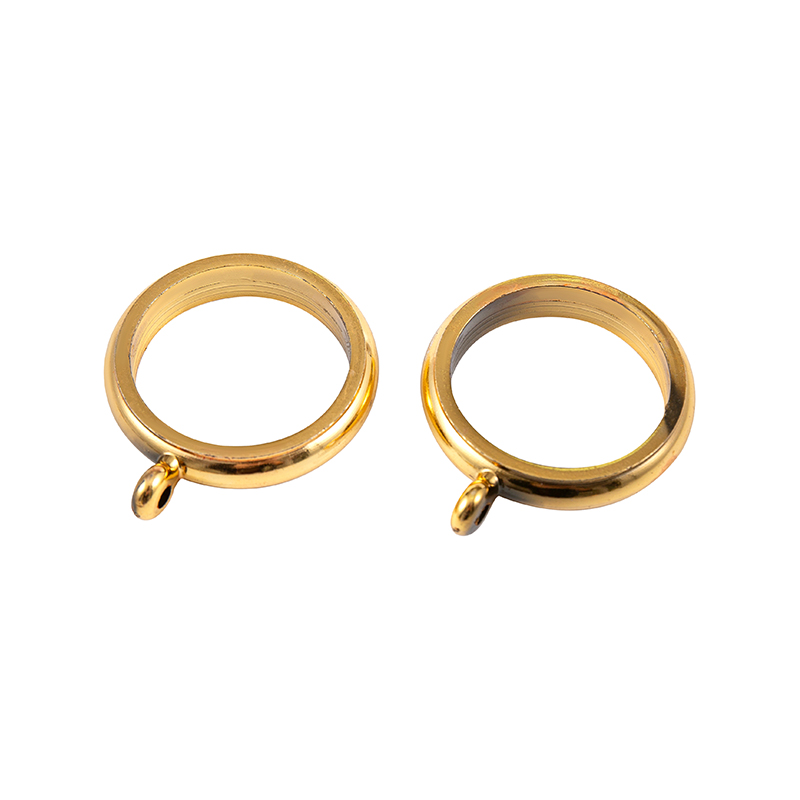
Curtain rings with clips or eyelets slide along PVC wrapped rods with minimal friction due to the smooth polymer surface. Plastic rings coordinate with PVC rods aesthetically and operate quietly. Metal rings in matching finishes provide heavier duty options for substantial curtains. Traverse rod systems with internal cord mechanisms allow centralized curtain opening and closing, particularly valuable for large windows or hard to reach installations. PVC wrapped traverse rods conceal mechanical components within decorative outer tubes.
Installation Techniques and Best Practices
Proper installation ensures PVC wrapped curtain rods perform as designed while preventing wall damage and premature component failure.
Structural Attachment and Anchoring
Locate wall studs using electronic stud finders and attach brackets with minimum 38 millimeter wood screws penetrating solid framing. For stud locations that do not align with desired bracket positions, install horizontal backing boards between studs to provide continuous mounting surfaces. In masonry or concrete walls, use lead anchors or expansion bolts rated for the anticipated load. Plastic wall anchors in drywall support only lightweight sheers; medium to heavy curtains require toggle bolts through drywall or direct stud attachment.
Bracket height installation typically places the rod centerline 10 to 15 centimeters above the window frame, creating visual height expansion and preventing light leakage at the top. For floor to ceiling curtain effects, mount rods within 5 to 10 centimeters of ceiling height. Ensure bracket alignment using a laser level, as even slight height variations create visible rod slope and uneven curtain hang.
Rod Cutting and Customization
Telescoping PVC wrapped rods accommodate variable window widths without cutting, extending and locking at desired lengths. However, telescoping joints create slight diameter variations visible with certain curtain heading styles. For seamless appearances, cut solid rods to exact lengths using fine tooth hacksaws or pipe cutters designed for metal tubing. Deburr cut ends to prevent PVC layer peeling and ensure finial threads engage properly.
When cutting is necessary, measure carefully accounting for finial projection beyond rod ends. Standard finials add 5 to 10 centimeters per side to overall width. For a 150 centimeter window with 20 centimeter overlap per side, cut the rod to 190 centimeters plus finial dimensions, verifying against actual bracket placement rather than window frame width alone.
Moisture Environment Precautions
Bathroom and kitchen installations expose rods to steam, grease, and cleaning chemicals. Ensure PVC wraps remain intact without cuts or abrasions that would expose steel cores to corrosion. Avoid abrasive cleaners or scrubbing pads that damage PVC surfaces. Wipe rods regularly with damp cloths to remove moisture films and prevent mineral deposit accumulation from evaporated hard water.
Durability Assessment and Lifecycle Expectations
Understanding realistic service life and degradation modes helps set appropriate expectations and maintenance schedules.
UV Degradation and Color Stability
PVC formulations without adequate UV stabilization exhibit chalking, fading, and embrittlement after 12 to 18 months of direct sun exposure. Quality PVC wrapped rods incorporate 0.5 to 2.0 percent UV absorbers and hindered amine light stabilizers extending color retention to 5 to 7 years in south facing windows. Dark colors absorb more UV energy and fade faster than light colors; black and navy wraps may show noticeable fading after 3 years of intense exposure.
Mechanical Wear and Abrasion
Curtain ring movement along rods creates wear patterns over time. PVC surfaces show scratching and gloss reduction in high traffic areas after 3 to 5 years of daily operation. These cosmetic changes do not affect structural performance but may prompt replacement for aesthetic reasons. Using plastic rather than metal rings reduces abrasion, as does periodic ring repositioning to distribute wear evenly.
Thermal Cycling Effects
Temperature variations between day and night, and seasonal changes, cause differential expansion between PVC coatings and metal cores. Quality manufacturing accounts for this through flexible PVC formulations and adequate coating thickness. Poor quality rods may develop PVC cracking or delamination near bracket attachment points where stress concentrates. Indoor installations experience less severe thermal cycling than outdoor applications, extending service life significantly.
Cost Analysis and Value Positioning
PVC wrapped curtain rods occupy a distinct market position between premium solid metal and budget plastic options, offering specific value propositions for cost conscious consumers.
Retail pricing for PVC wrapped rods ranges from $15 to $60 for standard residential sizes, compared to $40 to $150 for solid metal rods and $8 to $25 for all plastic alternatives. This mid range positioning makes PVC wrapped rods accessible for whole home installations without the budget strain of premium metal options. For a typical three bedroom home requiring 8 to 10 window treatments, PVC wrapped rods represent $120 to $600 total investment versus $320 to $1500 for solid metal equivalents.
Lifecycle cost analysis must include replacement frequency. PVC wrapped rods in normal indoor environments provide 8 to 12 years of service before aesthetic degradation or mechanical wear prompts replacement. Solid metal rods last 15 to 25 years structurally but may require refinishing after 5 to 7 years due to tarnishing or corrosion. When refinishing costs and effort are included, PVC wrapped rods often prove more economical over comparable timeframes while providing greater finish variety.
Environmental and Health Considerations
Modern consumers increasingly evaluate window treatment products for environmental impact and indoor air quality effects.
Material Recyclability
PVC wrapped rods present recycling challenges due to composite construction separating metal cores from polymer coatings. Specialized recycling facilities can process these materials, but municipal programs typically do not accept composite products. Steel and aluminum cores are theoretically recyclable after PVC removal, though practical recycling rates remain low. Consumers prioritizing recyclability should consider all metal rods with mechanical rather than chemical finishes.
Indoor Air Quality and Emissions
New PVC products may emit volatile organic compounds (VOCs) including plasticizers and residual monomers during initial weeks after installation. Phthalate free formulations reduce these emissions significantly. Off gassing diminishes substantially within 2 to 4 weeks of installation. For sensitive individuals or nursery applications, allow rods to off gas in well ventilated spaces before hanging curtains, or select products certified to GREENGUARD or similar low emission standards.
Selection Decision Framework
Systematic evaluation of project requirements ensures appropriate PVC wrapped curtain rod specification.
Choose PVC wrapped curtain rods for budget conscious whole home installations, humid environments where metal corrosion concerns exist, rental properties requiring durable low maintenance solutions, and design projects benefiting from extensive finish options. Specify steel core rods for spans exceeding 150 centimeters or curtain weights above 8 kilograms, and aluminum core rods for coastal or bathroom installations prioritizing corrosion immunity over maximum load capacity.
Select 16 to 19 millimeter diameters for lightweight sheers and decorative treatments, 25 millimeter diameters for standard bedroom and living room drapes, and 28 to 35 millimeter diameters for heavy blackout or layered treatments. Verify bracket load ratings exceed actual curtain weights by 50 percent, and install center supports for spans over 180 centimeters regardless of calculated adequacy of end brackets alone. Choose UV stabilized formulations for sun exposed installations and phthalate free options for children's rooms and healthcare environments.