English
 Français
 عربى
عربى
What Is a Curtain Finial, and What Role Does It Play in Interior Design?
To understand their transformative power, it is first essential to define curtain finials and the dual role they play in both aesthetics and functionality.
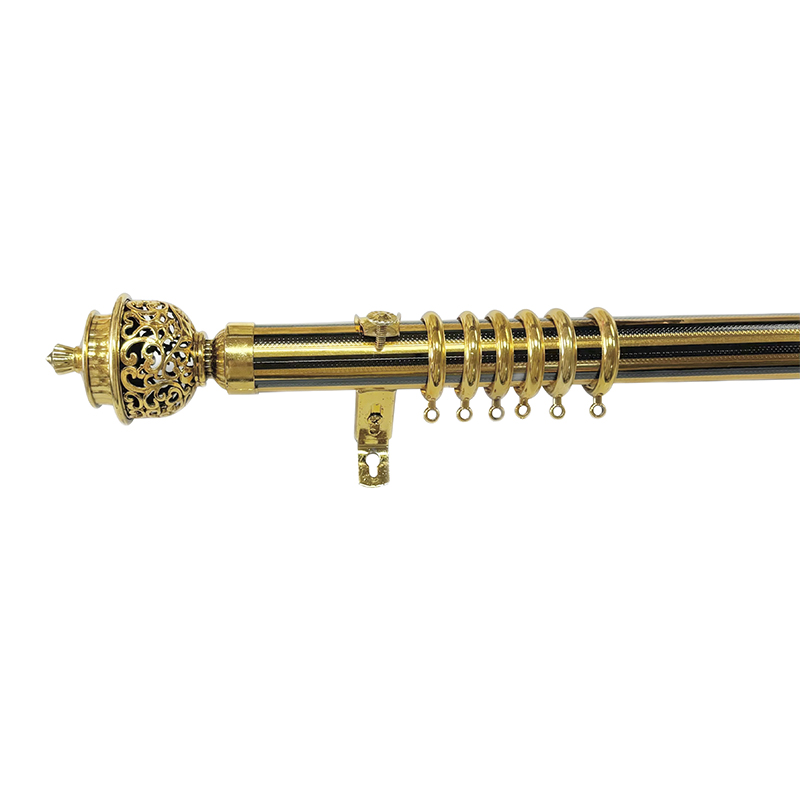
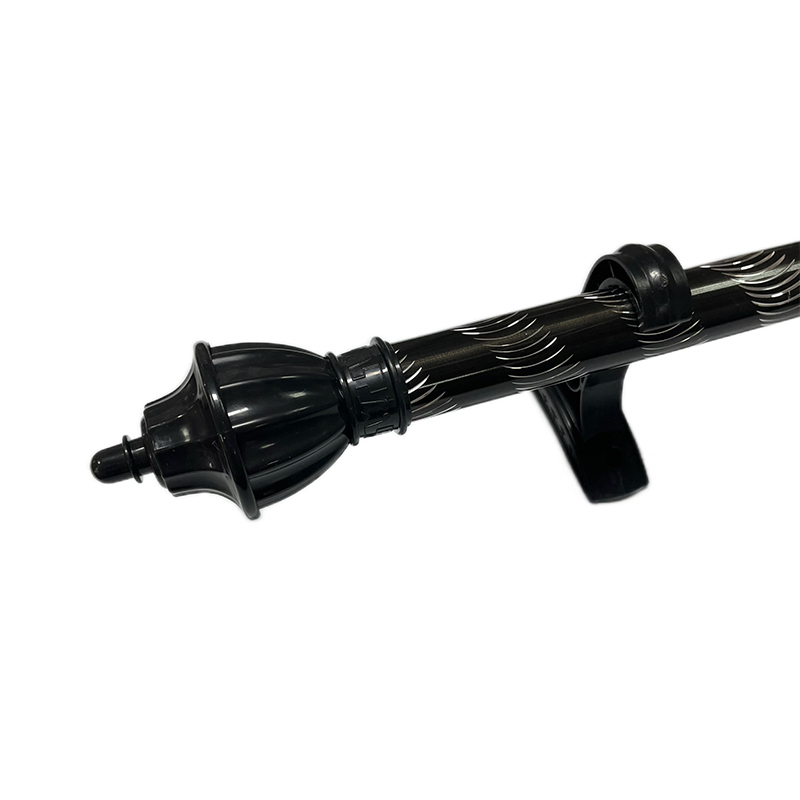
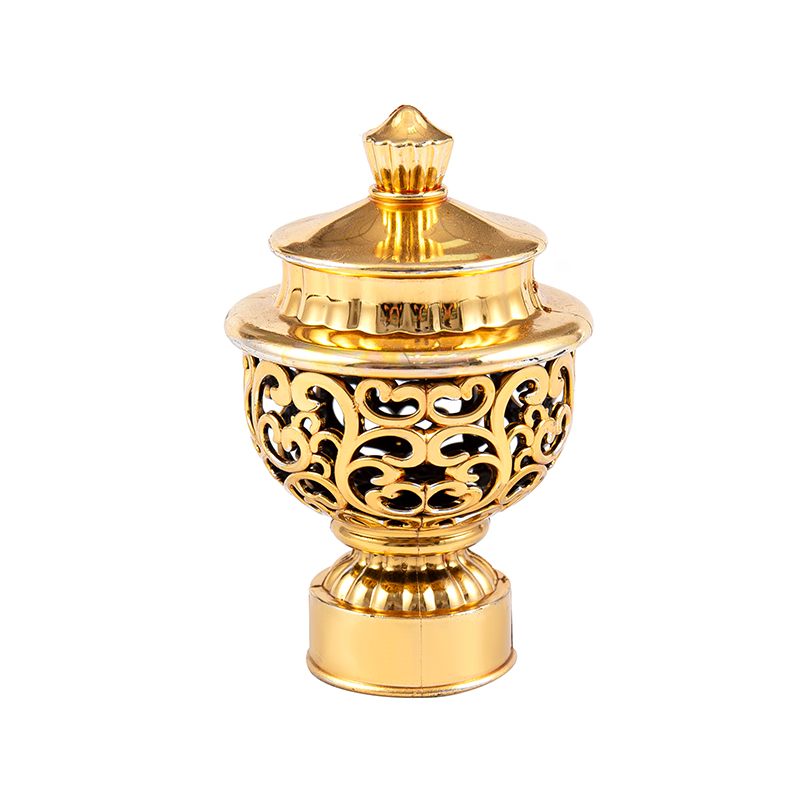
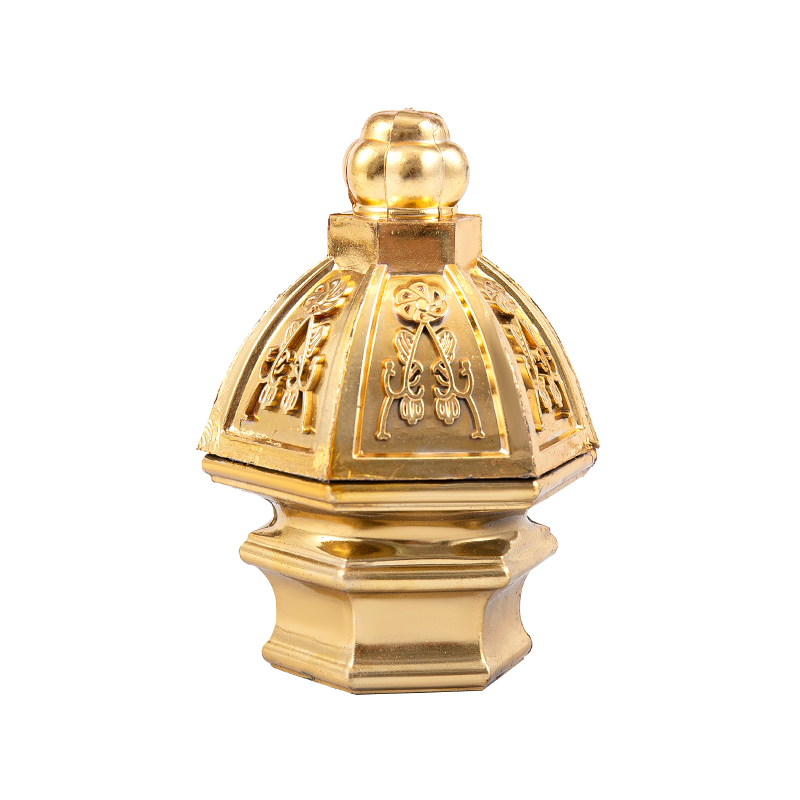
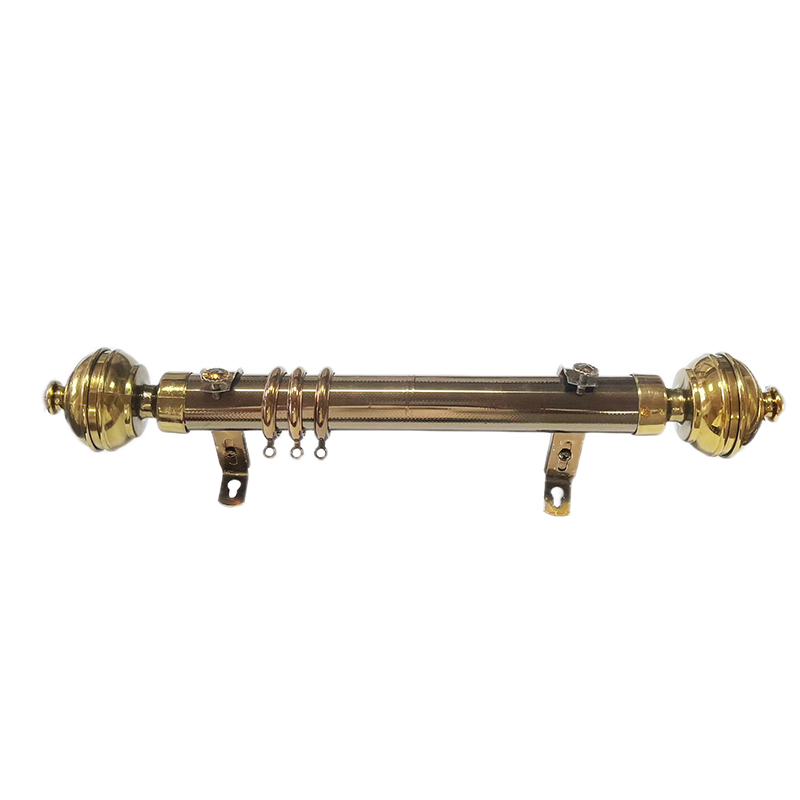
A curtain finial (derived from the Latin “finis,” meaning “end”) is a decorative cap or ornament mounted on the ends of curtain rods. Typically crafted from materials like metal, wood, glass, or resin, finials come in endless shapes, sizes, and styles—from sleek geometric forms to intricate sculptural designs. While their primary visual purpose is to add a decorative flourish, finials also serve critical functional roles that enhance the usability and longevity of window treatments.
The Dual Function: Aesthetics Meets Practicality
Curtain finials are far more than mere decorations; they are functional design elements that balance beauty with utility:
- Visual Completion: Finials provide a polished, finished look to curtain rods, eliminating the abrupt, unfinished appearance of exposed rod ends. They tie together the entire window treatment, creating a cohesive focal point that complements the room’s decor .
- Curtain Stability: By preventing curtains from slipping off the rod ends, finials ensure that window treatments hang neatly and stay in place. This is particularly important for heavy drapes or curtains in high-traffic areas .
- Style Enhancement: Finials act as design accents that reinforce a room’s aesthetic theme. A modern space may feature minimalist metal finials, while a traditional room might showcase ornate wooden or crystal options—each choice amplifying the desired mood .
- Proportion and Scale: The size and shape of finials help balance the visual weight of curtain rods and drapes. For example, large, bold finials complement wide windows or heavy fabrics, while delicate designs suit smaller windows or lightweight curtains .
Core Components of Curtain Finial Systems
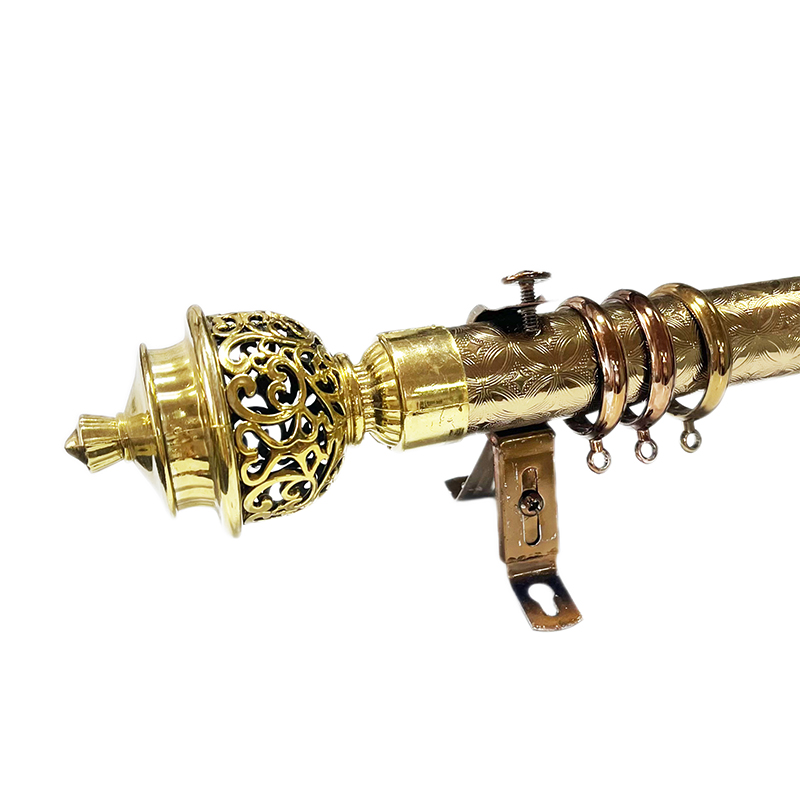
Curtain finials are part of a larger curtain rod assembly, working in harmony with other components to ensure both functionality and style:
- Finial Body: The decorative main element, available in shapes like spherical (balls), cylindrical (poles), tapered (cones), or sculptural (floral, animal, geometric).
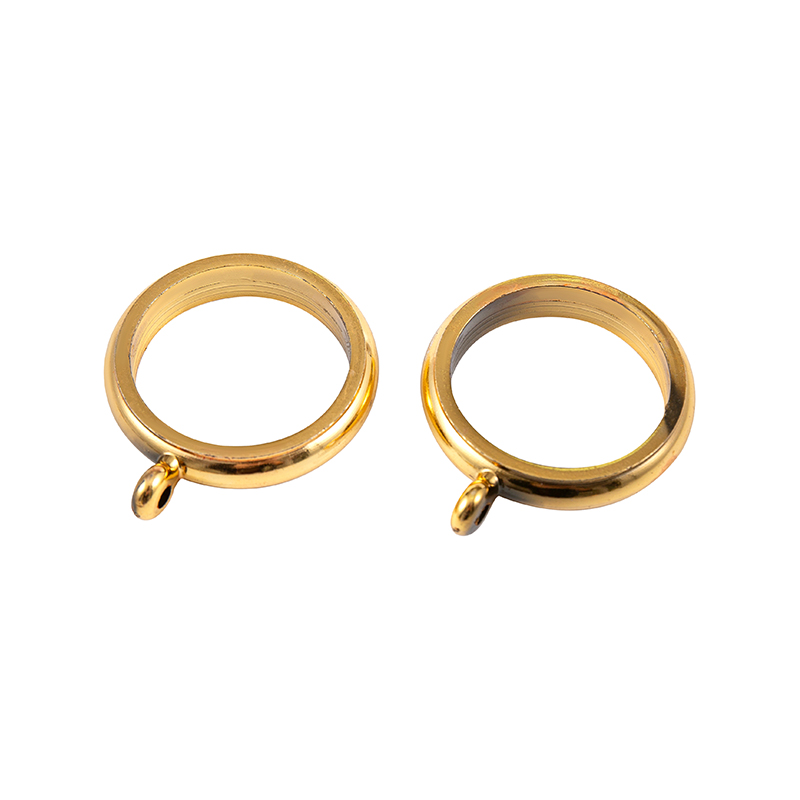
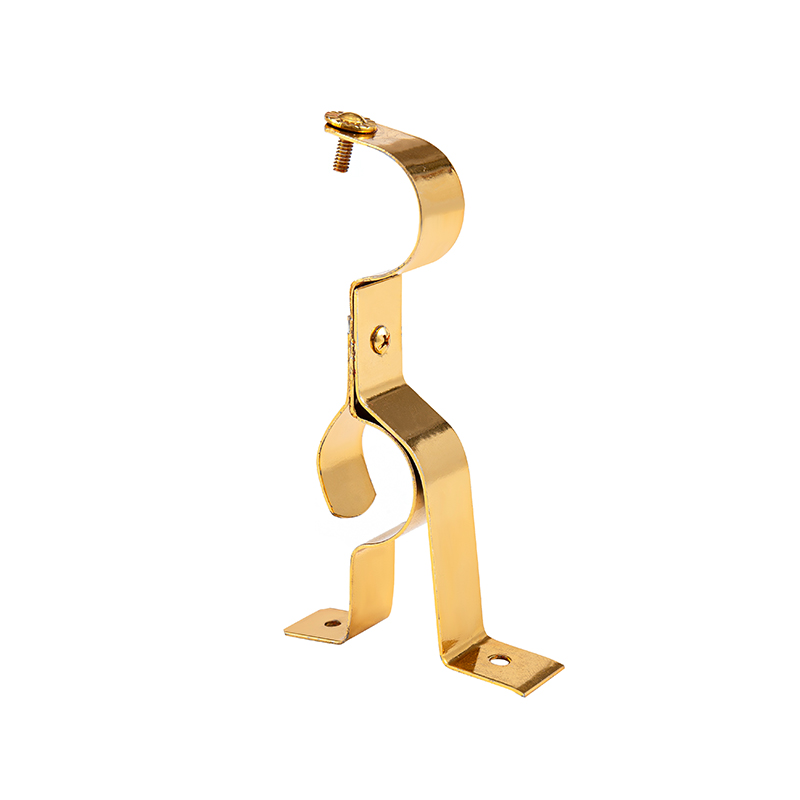
- Mounting Hardware: Screws, brackets, or adhesive attachments that secure the finial to the curtain rod. Most finials are detachable, allowing for easy replacement or style updates .
- Curtain Rod Compatibility: Finials are designed to fit specific rod diameters (typically 16mm, 20mm, or 25mm) and mounting types (single rod, double rod, or traverse rod).
- Material Coordination: High-quality finials often match or complement other hardware in the room (e.g., door handles, light fixtures, or cabinet pulls) to create a unified look .
The Art of Curtain Finials: Materials, Craftsmanship, and Design
Curtain finials are a testament to the marriage of materials and craftsmanship, with each choice influencing the final look, durability, and feel of the product. Below is an exploration of the most common materials, manufacturing processes, and design variations that define modern curtain finials.
Popular Materials for Curtain Finials
The material of a curtain finial dictates its durability, aesthetic, and suitability for different environments. Here are the most widely used options:
1. Metal Finials
Metal is the most versatile and durable material for curtain finials, offering endless design possibilities:
- Iron: Known for its strength and rustic charm, iron finials are often forged or cast into ornate designs (e.g., scrolls, fleurs-de-lis) and finished with powder coating, paint, or distressing for a vintage look. They are ideal for traditional, industrial, or farmhouse styles .
- Aluminum: Lightweight and corrosion-resistant, aluminum finials are available in sleek, modern designs. They can be anodized, polished, or painted in a range of colors, making them suitable for contemporary or coastal spaces .
- Brass/Copper: Warm and luxurious, brass and copper finials develop a natural patina over time, adding character. They are often polished for a reflective finish or antiqued for a vintage aesthetic, complementing traditional, eclectic, or bohemian decor .
- Stainless Steel: Sleek and modern, stainless steel finials offer a clean, minimalist look with excellent corrosion resistance. They are perfect for contemporary, urban, or coastal homes, as they withstand moisture and humidity .
2. Wood Finials
Wooden finials bring warmth and natural texture to window treatments, making them a favorite for traditional, rustic, or organic styles:
- Hardwoods: Oak, maple, cherry, and walnut are used for high-quality finials, prized for their durability and rich grain patterns. They are often stained, painted, or left natural to highlight the wood’s beauty .
- MDF (Medium-Density Fiberboard): A cost-effective alternative to solid wood, MDF finials are easy to shape and paint, making them ideal for custom colors or intricate designs. They are best suited for indoor use in low-humidity environments .
- Bamboo/Rattan: Lightweight and eco-friendly, bamboo and rattan finials add a tropical or bohemian touch, perfect for coastal, beach, or boho-chic spaces .
3. Glass and Crystal Finials
Glass and crystal finials exude elegance and sophistication, adding a touch of glamour to any room:
- Crystal: Cut crystal finials reflect light beautifully, creating a sparkling effect that elevates formal or luxurious spaces (e.g., dining rooms, bedrooms, or home offices). They are often clear but can be tinted (e.g., amber, blue) for a unique twist .
- Glass: Frosted, colored, or patterned glass finials offer a more subtle elegance than crystal. They are available in modern or traditional shapes, adding texture and visual interest without overwhelming the space .
4. Resin and Plastic Finials
Resin and plastic finials are affordable, lightweight, and versatile, making them a practical choice for budget-conscious homeowners or temporary spaces:
- Resin: Moldable into intricate designs, resin finials can mimic the look of more expensive materials (e.g., wood, metal, or stone) at a fraction of the cost. They are durable and resistant to chipping, making them suitable for high-traffic areas or homes with children/pets .
- Plastic: Budget-friendly and easy to install, plastic finials are available in basic shapes and colors. They are best for temporary use or spaces where style is a secondary concern (e.g., rental apartments, utility rooms) .
Craftsmanship and Manufacturing Processes
The quality of a curtain finial is determined by its manufacturing process, with high-end options featuring meticulous craftsmanship:
- Casting: Metal and resin finials are often cast using molds, allowing for intricate details and consistent shapes. Investment casting (lost-wax casting) is used for high-end metal finials, ensuring precision and durability .
- Carving: Wooden finials may be hand-carved or machine-carved, with hand-carved options offering unique, artisanal details that add value and character.
- Polishing/Finishing: Metal finials undergo polishing, plating, or powder coating to enhance their appearance and protect against corrosion. Crystal finials are cut and polished to maximize light reflection .
- Hand-Painting: Some finials (e.g., wooden or resin) are hand-painted with intricate designs, metallic accents, or distressed finishes, adding a custom, one-of-a-kind touch .
Design Variations: Shapes and Styles
Curtain finials come in a vast array of shapes and styles, allowing homeowners to find the perfect match for their decor:
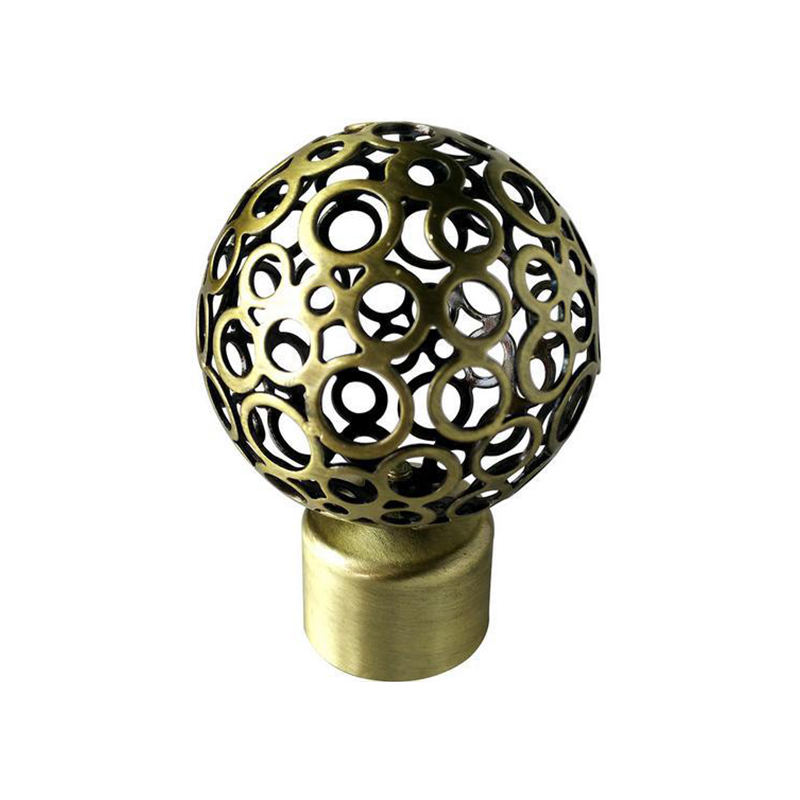
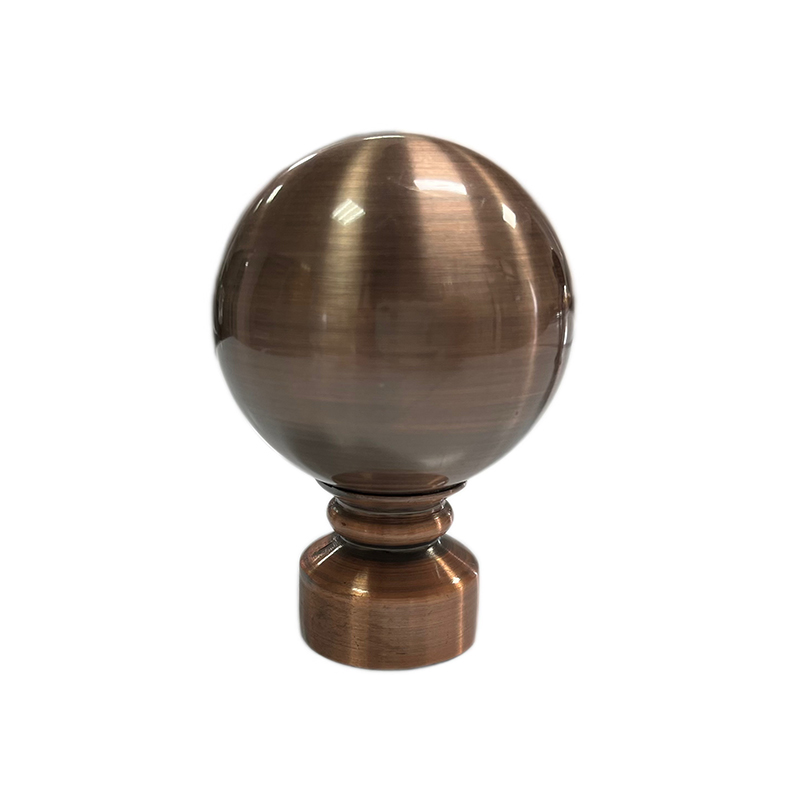
- Geometric Shapes: Spheres (balls), cylinders, cones, cubes, or pyramids—ideal for modern, minimalist, or contemporary styles.
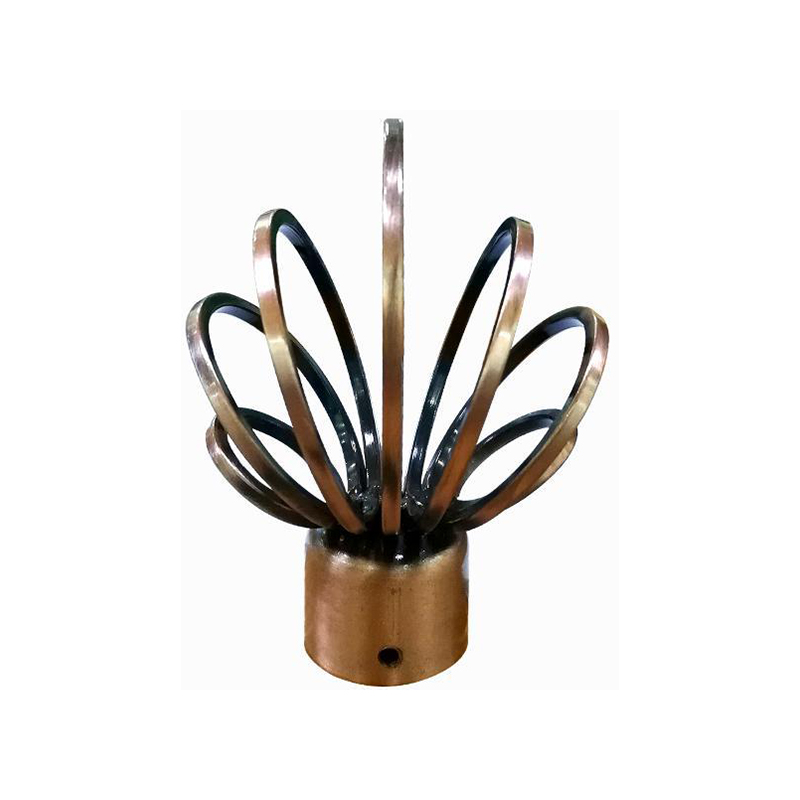
- Sculptural Designs: Floral (roses, lilies), animal (birds, butterflies), or abstract shapes—adding artistry and personality to traditional, eclectic, or bohemian spaces .
- Ornate Details: Scrolls, filigree, or embossed patterns—common in traditional, Victorian, or classic styles, adding elegance and sophistication.
- Minimalist Forms: Smooth, unadorned shapes with clean lines—perfect for modern, Scandinavian, or minimalist decor, where less is more .
Curtain Finials by Style: Matching to Your Interior Aesthetic
One of the greatest strengths of curtain finials is their ability to adapt to any interior style, reinforcing the room’s theme and enhancing its overall look. Below is a guide to choosing finials that complement popular design aesthetics:
1. Modern and Contemporary
Modern and contemporary spaces prioritize clean lines, minimalism, and functionality. Curtain finials for these styles should be sleek, unadorned, and made from materials like metal, glass, or resin:
- Recommended Finials: Cylindrical aluminum finials, spherical stainless steel designs, or frosted glass cones.
- Colors/Finishes: Matte black, brushed nickel, chrome, or white—neutral tones that blend seamlessly with modern decor.
- Tips: Opt for finials that match the curtain rod material for a cohesive look. Avoid ornate designs that clutter the clean aesthetic .
2. Traditional and Classic
Traditional spaces are characterized by elegance, symmetry, and ornate details. Curtain finials should be decorative and sophisticated, reflecting the timeless nature of the style:
- Recommended Finials: Brass or iron scrollwork finials, wooden ball finials with carved details, or crystal spheres.
- Colors/Finishes: Polished brass, antique bronze, mahogany, or cherry—warm tones that add richness.
- Tips: Pair ornate finials with heavy, luxurious fabrics (e.g., velvet, silk) to create a cohesive, formal look .
3. Rustic and Farmhouse
Rustic and farmhouse styles celebrate natural materials, texture, and simplicity. Curtain finials should be earthy, durable, and evoke a sense of rural charm:
- Recommended Finials: Distressed iron finials, wooden cone finials, or rope-wrapped designs.
- Colors/Finishes: Weathered gray, barn red, natural wood, or black iron—neutral, earthy tones.
- Tips: Choose finials with a handmade or imperfect look to embrace the rustic aesthetic. Pair with linen or burlap curtains for a cohesive feel .
4. Coastal and Beachy
Coastal spaces are light, airy, and inspired by the sea. Curtain finials should reflect this with natural materials, soft colors, and subtle nautical touches:
- Recommended Finials: Rattan or bamboo spheres, aluminum wave-shaped finials, or clear glass beads.
- Colors/Finishes: White, sand, light blue, or brushed nickel—cool, neutral tones that mimic the ocean and sky.
- Tips: Avoid heavy materials; opt for lightweight finials that complement the breezy, relaxed vibe of coastal decor .
5. Bohemian and Eclectic
Bohemian spaces are vibrant, layered, and full of personality. Curtain finials should be unique, artistic, and reflect the eclectic nature of the style:
- Recommended Finials: Hand-painted resin finials, crystal tassel finials, or sculptural ceramic designs.
- Colors/Finishes: Bold hues (teal, purple, gold), metallic accents, or patterned finishes.
- Tips: Mix and match finial styles (e.g., one spherical and one sculptural) for a playful, eclectic look. Pair with colorful, textured curtains to enhance the bohemian vibe .
6. Industrial
Industrial spaces draw inspiration from factories and warehouses, featuring raw materials, exposed elements, and a rugged aesthetic. Curtain finials should be sturdy, utilitarian, and made from metal:
- Recommended Finials: Cast iron pipe finials, cylindrical steel designs, or riveted aluminum styles.
- Colors/Finishes: Black, gunmetal, or raw steel—dark, industrial tones.
- Tips: Choose finials with a mechanical or utilitarian look to complement exposed brick, concrete, and metal elements in the room .
Key Considerations for Choosing the Perfect Curtain Finial
Selecting the right curtain finial requires balancing style, functionality, and proportion. Below are critical factors to consider to ensure your finials enhance both your window treatments and overall decor:
1. Curtain Rod Compatibility
First and foremost, ensure the finial is compatible with your curtain rod:
- Rod Diameter: Measure your curtain rod’s diameter (common sizes: 16mm, 20mm, 25mm) and choose a finial with a matching internal diameter. Most finials specify rod size compatibility on the packaging .
- Mounting Type: Determine if your rod uses screw-on, slip-on, or adhesive finials. Screw-on finials are the most secure, while slip-on options are easier to install and replace.
- Rod Material: For a cohesive look, match the finial material to the rod (e.g., brass finials with brass rods, aluminum finials with aluminum rods). Mixing materials can work for eclectic styles but may look disjointed in traditional or modern spaces .
2. Proportion and Scale
The size of the finial should be in proportion to the curtain rod, curtains, and window:
- Finial Size: Larger windows (over 1.8 meters) or heavy drapes require larger finials (6–8cm in diameter) to balance the visual weight. Smaller windows or lightweight curtains (e.g., sheers) suit smaller finials (3–5cm in diameter) .
- Rod Length: Longer rods benefit from larger finials to avoid looking top-heavy. For rods under 1.5 meters, opt for medium-sized finials; for rods over 2 meters, choose larger, more substantial designs.
- Room Ceiling Height: High ceilings (over 2.7 meters) can accommodate larger, more dramatic finials, while low ceilings (under 2.4 meters) are better suited for smaller, more understated options .
3. Style Cohesion
Ensure the finial aligns with the room’s overall style and other design elements:
- Match Existing Hardware: Coordinate finials with other metal accents in the room (e.g., door handles, light fixtures, cabinet pulls) to create a unified look. For example, if your light fixtures are brushed nickel, choose brushed nickel finials .
- Complement Curtain Fabric: The finial should enhance, not compete with, your curtain fabric. Ornate finials pair well with solid-colored curtains, while simple finials work better with patterned or textured fabrics .
- Consider the Room’s Purpose: Formal rooms (dining rooms, bedrooms) can handle more decorative finials, while functional spaces (kitchens, home offices) benefit from simple, durable designs .
4. Durability and Environment
Choose a finial material that suits the room’s environment and usage:
- Humidity: Bathrooms, kitchens, or coastal areas require moisture-resistant materials (aluminum, stainless steel, resin) to prevent rust or warping. Avoid wooden finials in high-humidity spaces .
- Traffic: High-traffic areas (living rooms, playrooms) need durable materials (metal, resin) that can withstand accidental bumps. Crystal or glass finials may be too fragile for these spaces.
- Pets/Children: Opt for shatterproof materials (resin, plastic) or rounded, smooth finials to avoid injury. Avoid sharp or delicate designs that can break or cause harm .