English
 Français
 عربى
عربى
What Makes Aluminum an Excellent Material for Curtain Rods?
Aluminum is a non-ferrous metal known for its high strength-to-weight ratio. For curtain rods, this translates into several practical advantages that directly affect your daily use and long-term satisfaction.
Lightweight and easy to install: A six-foot aluminum curtain rod weighs about 30-50% less than a steel rod of the same diameter. This makes handling and installation much easier, especially for long spans or when working alone. You can hold the rod in place with one hand while marking brackets with the other. Lighter weight also reduces stress on wall anchors and brackets, preventing pull-out failures.
High tensile strength: Despite being light, quality aluminum alloys (such as 6063 or 6061) offer excellent stiffness and resistance to bending. An aluminum rod with a wall thickness of 1.2mm or more can support heavy drapes, including blackout curtains or velvet drapes, without sagging in the middle. For very wide windows (over 8 feet), center supports are still recommended, but aluminum holds its shape far better than plastic or thin steel.
Corrosion resistance: Unlike steel rods that rust when exposed to humidity or moisture, aluminum naturally forms a protective oxide layer that prevents corrosion. This makes aluminum curtain rods ideal for bathrooms, kitchens, coastal homes with salty air, or any room with high humidity. You will never see orange rust stains on your curtains or walls.
No warping or rotting: Wood curtain rods can warp, crack, or absorb moisture over time. Aluminum remains dimensionally stable across a wide range of temperatures and humidity levels. It will not swell, shrink, or twist, ensuring that your curtains hang straight for years.
Design versatility: Aluminum is easily extruded into complex shapes – round, square, oval, or decorative profiles. It can be painted in virtually any color, anodized in metallic finishes (brass, bronze, nickel), or powder-coated for a durable, scratch-resistant surface. You can find aluminum curtain rods that mimic the look of wrought iron, brushed nickel, or even wood grain, giving you aesthetic flexibility without the weight or cost of those materials.
Aluminum vs. Steel vs. Wood vs. Plastic: Which Curtain Rod Is Right for You?
To appreciate the value of an aluminum curtain rod, it helps to compare it directly with alternative materials. Each has its pros and cons, but aluminum emerges as the most balanced choice for most applications.
Aluminum vs. Steel: Steel curtain rods are stronger than aluminum in absolute terms, but they are much heavier. A steel rod of the same diameter can support more weight without deflection, but it also requires stronger brackets and wall anchors. Steel is prone to rust unless it is stainless steel or has a high-quality baked enamel finish. Even then, scratches can lead to corrosion. Aluminum rods are plenty strong for standard domestic use (holding drapes up to 20-30 pounds) without the weight and rust concerns. For extreme heavy-duty applications (commercial stage curtains or very heavy outdoor drapes), steel may be better. For 95% of homes, aluminum wins.
Aluminum vs. Wood: Wood rods offer a classic, warm aesthetic that many homeowners love. However, wood is susceptible to warping in humid conditions, and long wood rods (over 6 feet) require a center support to prevent sagging. Wood rods are also heavier than aluminum and more expensive for comparable quality. An aluminum rod with a wood-grain powder coat gives you the look of wood without the maintenance. If you have an antique or rustic décor, real wood may be preferred, but for modern, transitional, or coastal styles, aluminum is superior.
Aluminum vs. Plastic (resin or PVC): Plastic rods are cheap and lightweight, but they are also weak. Over time, plastic can become brittle, especially in sunlight, and will sag under the weight of even medium-weight curtains. Plastic brackets often crack. A plastic rod is fine for a child's room with lightweight sheers, but for any room where you want durability and a premium look, aluminum is the clear choice.
Aluminum vs. Wrought Iron: Wrought iron rods are heavy, expensive, and require strong wall support. They are beautiful for traditional and rustic settings but are overkill for most windows. They also rust if the finish is damaged. Aluminum rods can be cast or extruded to mimic the look of wrought iron at a fraction of the weight and cost.
In summary: choose an aluminum curtain rod for the best combination of strength, lightness, corrosion resistance, and value. It is the go-to material for interior designers and homeowners who want performance without compromise.
Types of Aluminum Curtain Rods: Which Style Fits Your Decor?
Aluminum curtain rods come in several styles, each suited to different curtain types and design preferences. Understanding the options helps you match the rod to your room's aesthetic.
Standard traverse rods: These are designed for curtains with hooks and a cord-operated mechanism. The rod has a track inside, and the cord pulls the curtains open and closed. Aluminum traverse rods are lightweight and corrosion-resistant, making them a popular choice for hospitals, hotels, and offices where drapery needs frequent operation.
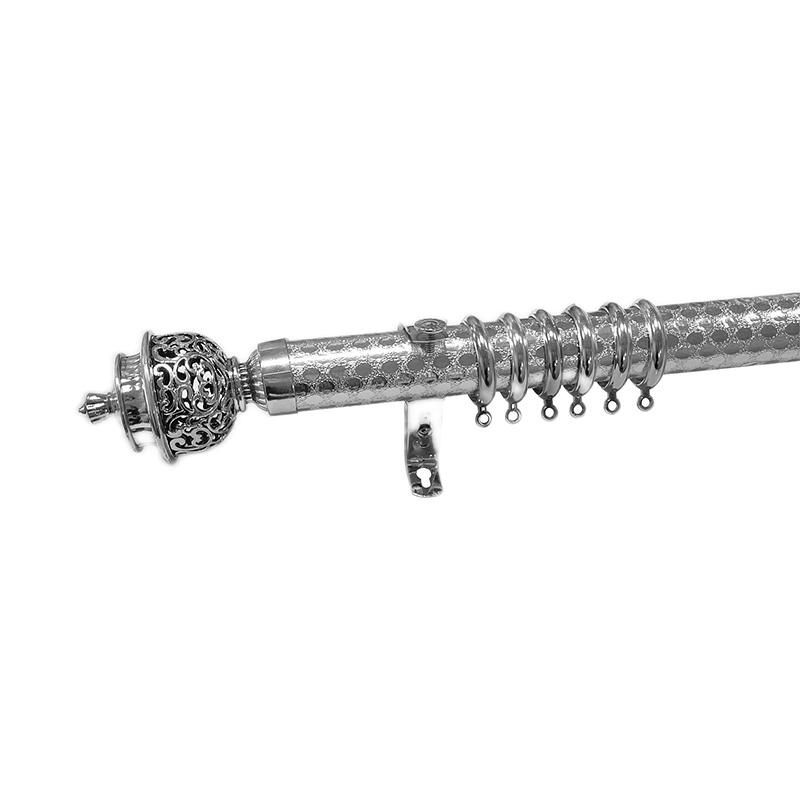
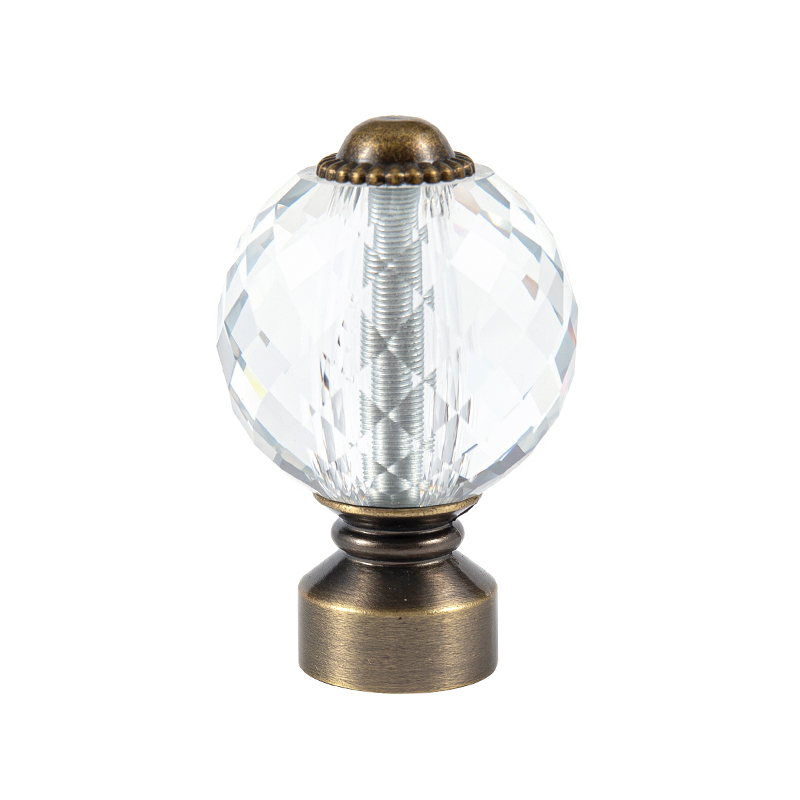
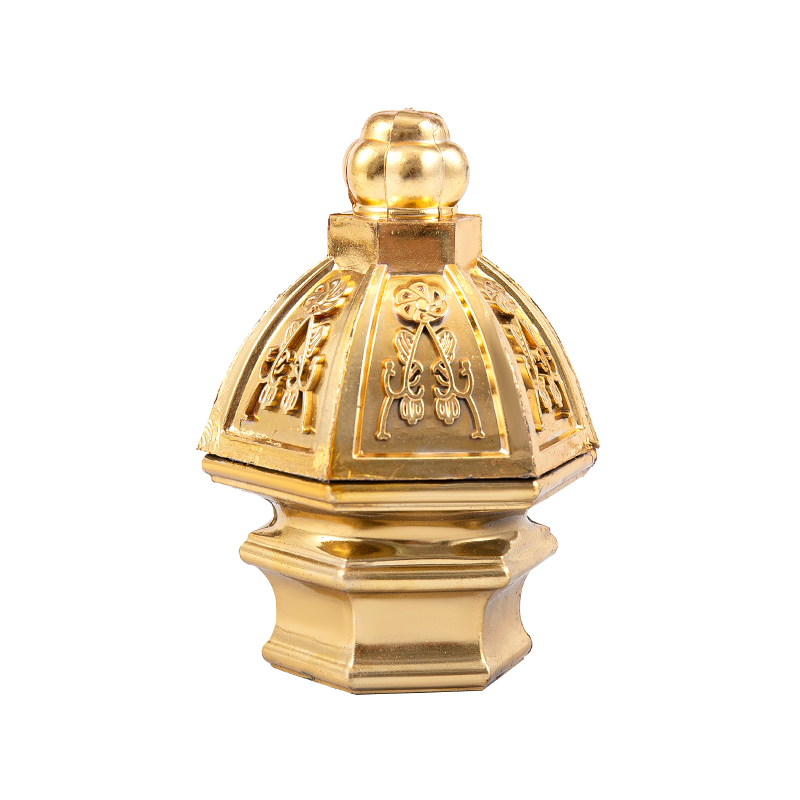
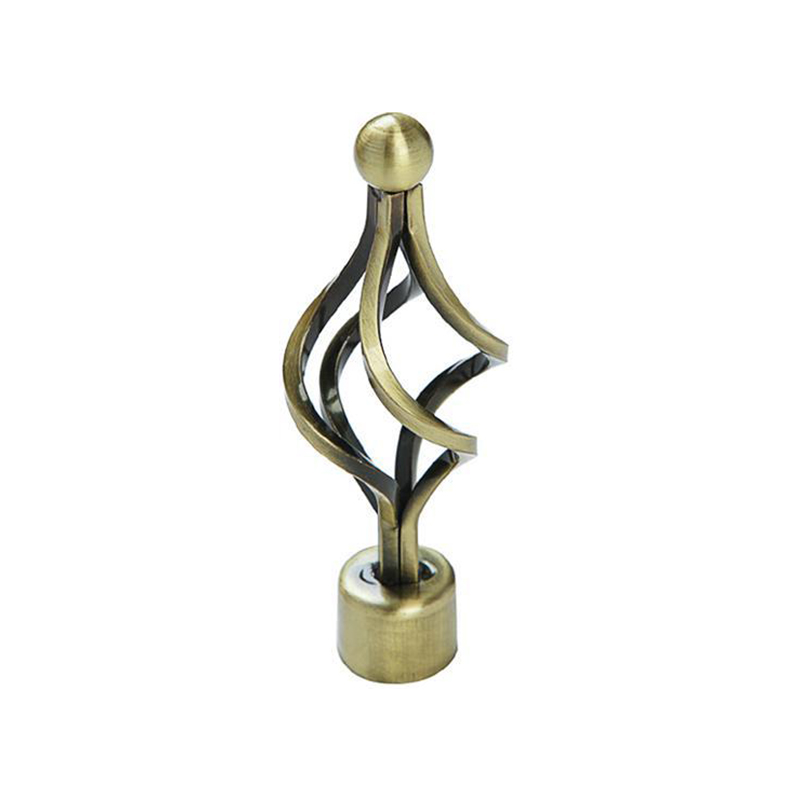
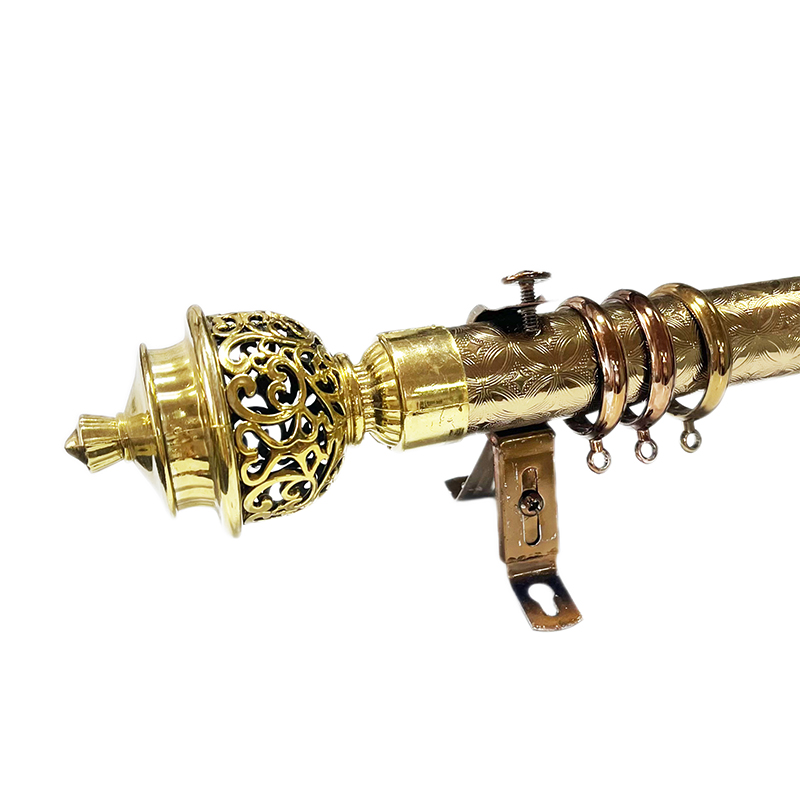
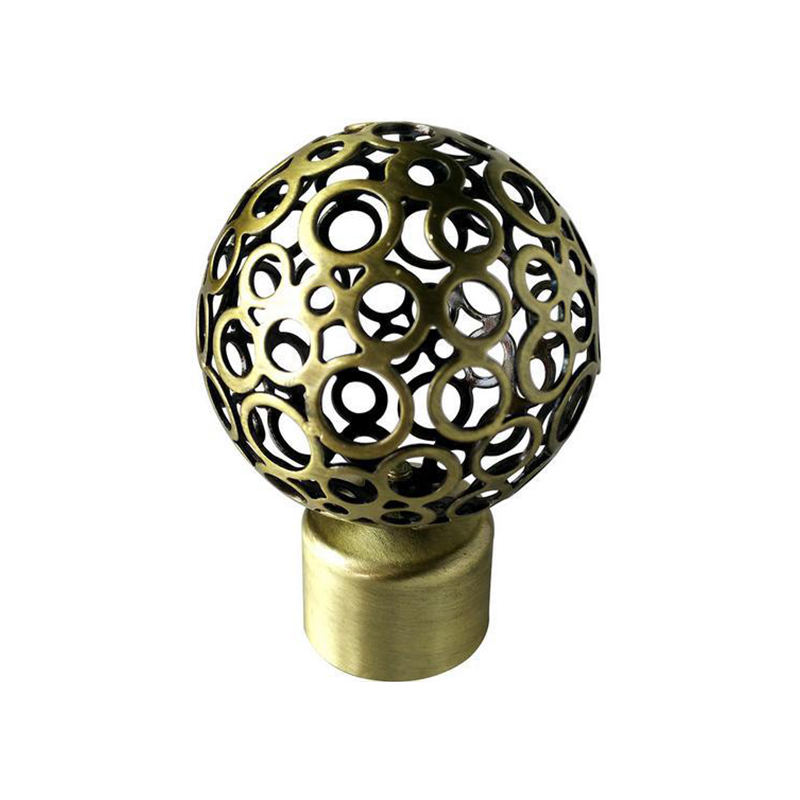
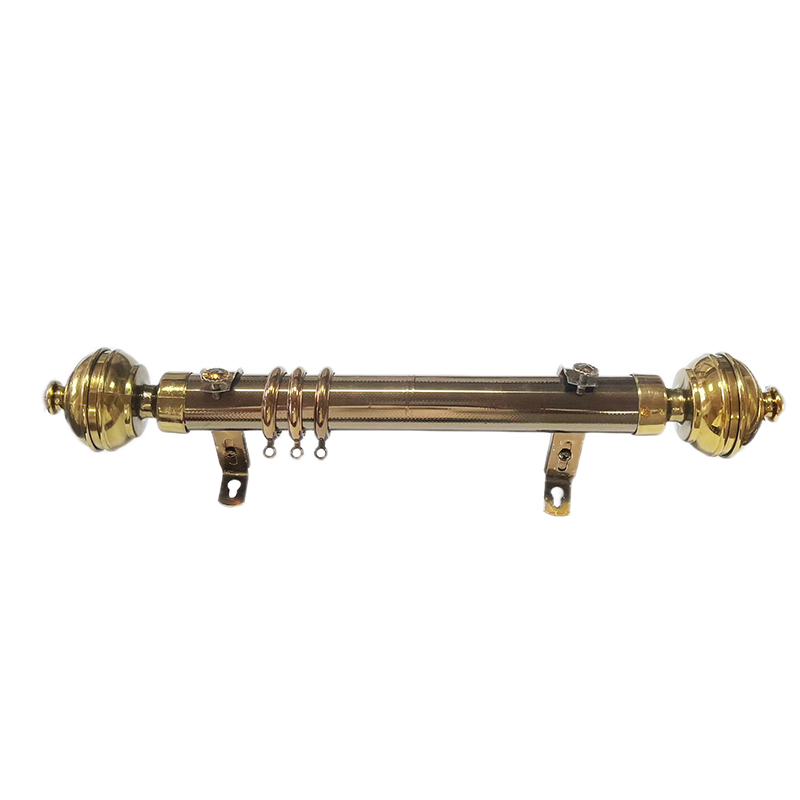
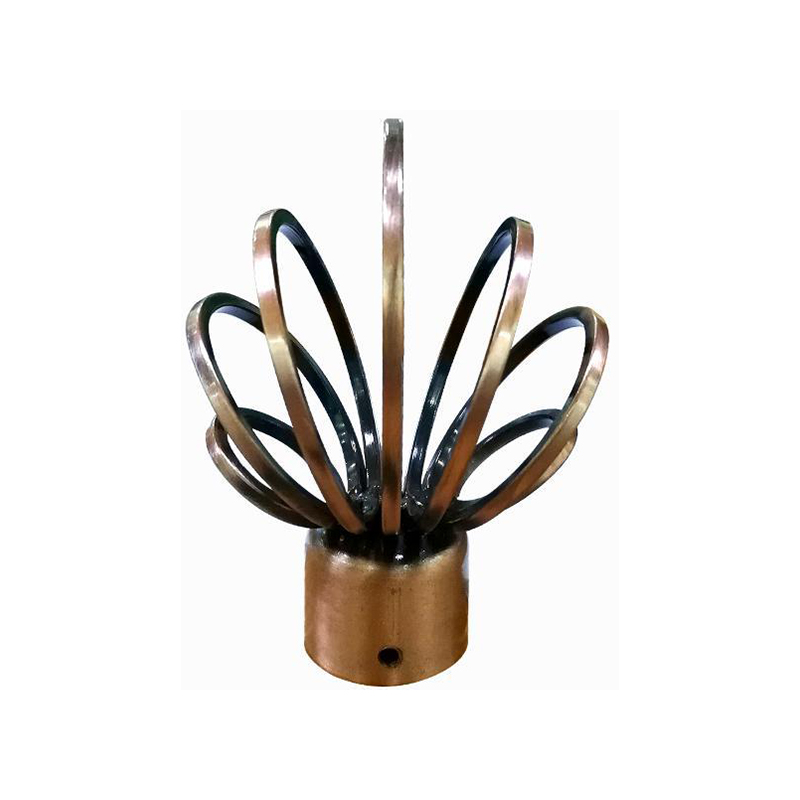
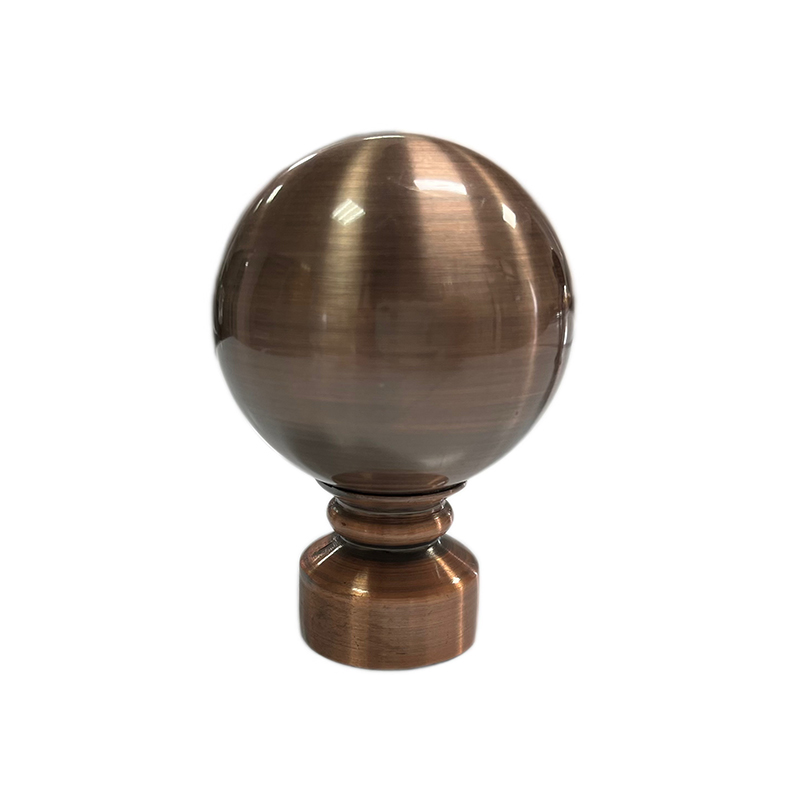
Decorative rods (single or double): These are the most common type for homes. A decorative aluminum curtain rod is a solid or hollow tube with ornamental finials on the ends. Single rods hold one layer of curtains; double rods (two parallel rods) allow you to hang sheers underneath and drapes on top. Finials come in many shapes – ball, spear, acorn, crystal, or geometric – and are typically made of aluminum, steel, or resin. Many decorative rods feature a telescoping design (two overlapping tubes) for adjustable width.
Industrial or heavy-duty rods: These have a larger diameter (1½ to 2 inches) and are designed for heavy drapes, blackout curtains, or outdoor use. The finish is often matte black or brushed aluminum. They may use exposed mounting brackets with decorative screws, adding a modern industrial look to lofts or urban apartments.
Wrap-around (return) rods: These rods have a curved end that returns the rod to the wall, preventing light gaps at the edges of the curtain. They are excellent for bedrooms and media rooms where you want complete blackout. Aluminum is ideal for wrap-around rods because it can be bent precisely without cracking.
Corner rods: Designed for bay windows or corner windows, these rods have a flexible or articulated joint that allows the rod to bend at an angle (typically 90° or 135°). Aluminum's formability makes it a common material for corner rods.
Ceiling-mounted rods: Rather than wall brackets, these rods attach to the ceiling. They are used for room dividers, floor-to-ceiling curtains, or when you have limited wall space. Aluminum ceiling rods are lightweight yet strong enough to support curtains that extend from ceiling to floor.
How to Choose the Right Size and Diameter for Your Aluminum Curtain Rod
Selecting the correct size is crucial for both appearance and function. Too short, and the curtains will not cover the window properly; too long, and the rod will sag or look odd. Use these guidelines.
Measuring width: The rod should extend 6 to 12 inches beyond the window frame on each side (so 12 to 24 inches total wider than the window). This allows the curtains to be pulled completely clear of the glass, maximizing light when open and making the window appear larger. For a window that is 48 inches wide, you would buy a rod that is adjustable from 60 to 84 inches, for example. Many aluminum curtain rods are telescoping, so you can adjust the length within a range (e.g., 48-84 inches).
Diameter (thickness): The rod diameter directly affects how much weight it can support. Common diameters are ½ inch (12.7mm), ¾ inch (19mm), 1 inch (25mm), 1¼ inch (32mm), and 1½ inch (38mm). For lightweight sheers or cafe curtains, ½ inch is sufficient. For medium-weight drapes (polyester, cotton), use ¾ to 1 inch. For heavy velvet or blackout drapes, choose 1¼ inch or larger. As a rule, longer spans also require larger diameters to resist sagging. An 8-foot span with heavy drapes needs at least 1¼ inch.
Projection (how far the rod extends from the wall): Standard projection is 2.5 to 3.5 inches. If you have deep window frames or want to clear bulky curtain rings, look for rods with adjustable brackets that allow 4 to 6 inches of projection. Some aluminum rods come with spacer blocks for extra clearance.
Curtain weight calculation: To be safe, weigh a sample of your curtains. A typical 84-inch blackout curtain weighs 4-6 pounds per panel. For a double-width window with two panels, total weight is 8-12 pounds. A 1-inch aluminum rod with brackets every 36 inches can easily support 15-20 pounds. For very heavy drapes (e.g., theater curtains), choose a 1½-inch commercial-grade aluminum rod with brackets every 24 inches.
Installation Guide: How to Mount Your Aluminum Curtain Rod Correctly
Proper installation ensures that your aluminum curtain rod remains secure and level for years. Follow these step-by-step instructions.
Gather tools: You will need a pencil, measuring tape, level, drill with appropriate bits, screwdriver, stud finder, and the included brackets, screws, and wall anchors. If mounting into drywall without studs, use heavy-duty drywall anchors rated for at least 25 pounds per bracket.
Mark bracket positions: Decide how far above the window frame you want the rod. A standard placement is 2 to 4 inches above the frame, or halfway between the frame and the ceiling for a tall look. Mark the left and right bracket positions about 6 inches beyond the window frame on each side (or 10-12 inches for a more dramatic effect). If you have a center support bracket, mark its location equidistant between the ends. Use a level to ensure all marks are at the same height.
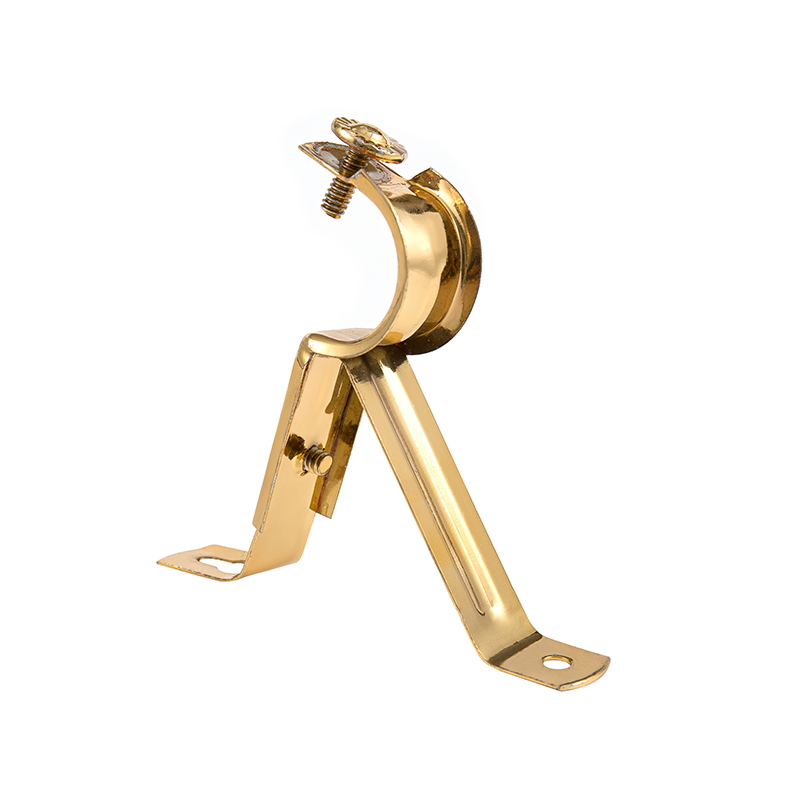
Install brackets: Drill pilot holes at the marked positions. If drilling into a wood stud, use the provided wood screws directly. For drywall without studs, insert wall anchors first, then screw the brackets into the anchors. Tighten securely but do not overtighten – aluminum brackets can strip. Ensure the brackets are level horizontally (the rod should not slope).
Prepare the rod: If your rod is telescoping, extend it to the desired length (the overlap between the two tubes should be at least 2 inches on each side). Tighten the setscrews or turn the locking mechanism. Some rods have a center joiner screw. Attach the finials to the ends by screwing them into threaded inserts.
Hang the rod: Place the rod into the bracket saddles. For some bracket designs, you may need to close a hinged clasp or tighten a thumbscrew to hold the rod in place. Ensure the rod is fully seated and does not wobble. Check with a level again – make minor adjustments by slightly bending the bracket arms (if adjustable).
Add curtain rings and curtains: Slide curtain rings onto the rod before attaching the rod to the brackets (if using rings). Alternatively, hang the rod first and then drape the curtains over it. For rods with a continuous track, insert the curtain hooks into the carriers before mounting the rod.
Test for sag: Gently press down on the center of the rod. It should not deflect more than ¼ inch. If it sags noticeably, you need a center support bracket or a thicker rod. Many aluminum rods are sold with a center bracket – use it even if you think it is not needed. Prevention is better than a bent rod.
How to Maintain and Clean Your Aluminum Curtain Rod
One of the great advantages of aluminum is its low maintenance. However, a little care will keep your rod looking new for decades.
Regular dusting: Use a soft microfiber cloth or a feather duster to remove dust from the rod, brackets, and finials weekly. This prevents buildup that can scratch the finish over time.
Cleaning fingerprints and smudges: For painted or powder-coated aluminum, wipe with a damp cloth and mild dish soap. Dry immediately with a soft cloth. Do not use abrasive cleaners, steel wool, or scouring pads – they will scratch the finish. For anodized aluminum (matte or brushed finish), use a cleaner specifically for anodized surfaces, or simply use a damp cloth with a few drops of mild detergent.
Removing oxidation (white powder): Uncoated or poorly coated aluminum can develop a white, powdery oxidation layer over many years. This is harmless but unsightly. Clean it with a solution of equal parts water and white vinegar, applied with a soft cloth. Rinse and dry. For a better long-term solution, wipe the rod with a thin coat of paste wax (like car wax) to seal the surface.
Checking for loose brackets: Every six months, check that the bracket screws are tight. Vibration from opening and closing curtains can slowly loosen screws. Retighten as needed.
Lubricating moving parts: If you have a traverse rod with a cord mechanism, apply a small amount of silicone spray to the track and pulleys once a year. Do not use oil-based lubricants – they attract dust and can stain curtains.
When to replace: An aluminum curtain rod can last indefinitely. However, if you notice significant bending (permanent sag), cracked brackets, or peeling finish that cannot be repaired, it is time for a replacement. Upgrade to a thicker diameter or a better quality brand.
Design Ideas and Applications for Aluminum Curtain Rods
Aluminum curtain rods are not just utilitarian – they can enhance your interior design. Here are some creative ways to use them.
Layering curtains with double rods: Use two aluminum rods, one mounted slightly higher and farther out from the wall than the other. Hang sheer curtains on the inner rod and blackout or decorative drapes on the outer rod. This gives you flexibility for light control and a luxurious layered look.
Mixing finishes: Do not be afraid to contrast or match. A matte black aluminum rod pairs beautifully with white sheers and a colorful wall. Brushed aluminum (silver) looks modern and cool with gray or blue curtains. Gold or brass anodized aluminum rods add warmth to traditional rooms.
Corner windows and bay windows: Use a specially designed aluminum corner rod with a flexible joint. This allows a continuous curtain across two or three window panes, creating a unified appearance. Because aluminum is lightweight, the rod can span longer distances without needing a ceiling mount.
Industrial/loft style: Choose an extra-large diameter (1½ inch) aluminum rod with exposed pipe fittings and heavy steel brackets. Use thick, grommet-top curtains in neutral colors. This style works well in urban apartments and modern homes.
Outdoor curtains: Aluminum is naturally rust-resistant, making it perfect for outdoor patios, porches, or gazebos. Use a powder-coated aluminum rod (choose UV-resistant colors) and weather-resistant outdoor curtains. Install stainless steel brackets for extra corrosion protection. Aluminum will not rust like steel, even in rain or coastal salt air.
Room dividers: Mount a heavy-duty ceiling-mounted aluminum rod and hang floor-to-ceiling curtains to divide a large room into zones. This is a rental-friendly alternative to building walls. The lightness of aluminum makes it possible to span 12 feet or more without a center support (though a support is still recommended for heavy curtains).
Common Problems and Solutions with Aluminum Curtain Rods
Even the best products can encounter issues. Here are typical problems and how to fix them.
Problem: The rod sags in the middle. This is usually due to insufficient bracket spacing or a rod that is too thin for the curtain weight. Solution: Add a center support bracket. If the rod is already bent, replace it with a larger diameter (e.g., go from ¾ inch to 1¼ inch). For spans over 8 feet, use a bracket every 36 inches at minimum.
Problem: The brackets pull out of the wall. This happens when drywall anchors are too weak or when the rod is overloaded. Solution: Remove the brackets and install heavy-duty toggle bolts or snap-toggles rated for at least 50 pounds each. Alternatively, relocate the brackets to hit wall studs. Never use plastic expansion anchors for heavy drapes.
Problem: The telescoping sections slip or twist. Many aluminum rods have a setscrew to lock the extension. Tighten it firmly. If it still slips, wrap a layer of electrical tape around the inner tube before inserting it into the outer tube, then tighten the setscrew. For rods without a lock, replace with a better design.
Problem: The finish is peeling or chipping. Cheap paint jobs can fail. For minor chips, touch up with acrylic enamel paint matched to the rod color. For widespread peeling, consider sanding the rod and repainting with spray paint designed for metal (clean, prime, and paint). Alternatively, replace the rod with a higher-quality powder-coated or anodized aluminum rod.
Problem: The rod makes a squeaking noise when opening curtains. This is friction between curtain rings and the rod. Apply a thin coat of paraffin wax (candle wax) or silicone spray to the rod. Wipe off excess. Do not use oil – it will attract dust and may stain curtains.
Problem: The finials are loose or fall off. Finials typically screw into threaded ends. If they are loose, wrap the threads with Teflon (plumber's) tape and re-screw. If the threads are stripped, apply a small amount of epoxy glue to secure the finial permanently – but note that it will not be removable later.
Environmental Benefits of Aluminum Curtain Rods
For eco-conscious consumers, aluminum has advantages over other materials. Aluminum is infinitely recyclable without loss of quality. Most aluminum curtain rods are made from recycled aluminum (post-consumer or post-industrial), requiring only 5% of the energy needed to produce primary aluminum. When you eventually replace an aluminum rod, it can be recycled again. Compare this to plastic rods that end up in landfills or wood rods that may come from non-sustainable forestry. Choosing an aluminum curtain rod supports the circular economy and reduces your carbon footprint.
Additionally, aluminum's durability means you will not need to replace it often, reducing consumption. Look for brands that use low-VOC powder coating or anodizing processes (which produce no volatile organic compounds) rather than solvent-based paints.
Where to Buy Quality Aluminum Curtain Rods
You can find aluminum curtain rods at home improvement stores (Home Depot, Lowe's, Menards), online retailers (Amazon, Wayfair, Overstock), and specialty curtain hardware stores (The Shade Store, Pottery Barn, Restoration Hardware). Prices range from $15 for a basic ¾-inch telescoping rod to $150 or more for a heavy-duty 1½-inch designer rod with custom finishes. For the best value, look for rods that include brackets, finials, and installation hardware. Some budget rods sell the brackets separately, so read the description carefully.
When buying online, check reviews for comments about sturdiness, ease of installation, and finish durability. For large windows or heavy curtains, avoid the cheapest options – spend a little more for a rod with a wall thickness of at least 1.2mm and a diameter of 1 inch or more. Reputable brands include Kenney, Umbra, Ivilon, Rod Desyne, and AmazonBasics (budget). For commercial or industrial-grade, look at Kirsch or Cooper Industries.
Consider buying a "complete set" that includes the rod, brackets, finials, rings, and mounting hardware. This ensures compatibility and saves you from hunting for matching parts.
Frequently Asked Questions (FAQ)
Can an aluminum curtain rod be cut to a specific length? Yes, most aluminum rods can be cut with a standard hacksaw or a pipe cutter. Measure carefully, mark the cut line, and use a fine-tooth blade. File the cut end smooth to remove burrs. For telescoping rods, you only need to cut the inner tube if it is too long; never cut the outer tube as it may affect the locking mechanism. Always check if cutting voids the warranty.
Are aluminum curtain rods strong enough for blackout curtains? Absolutely, provided you choose the correct diameter. Blackout curtains are heavier than standard drapes – a pair of 84-inch blackout panels can weigh 8-12 pounds. Use a 1-inch or larger diameter aluminum rod with brackets spaced every 36 inches (or less). Many blackout-specific rods are made of 1¼-inch aluminum and include a center support bracket.
Will an aluminum curtain rod rust in a bathroom? No, aluminum does not rust. However, the brackets and screws might be made of steel if not specified. Ensure that the entire hardware set – brackets, screws, and finials – is also aluminum or stainless steel. Most quality aluminum curtain rod sets include aluminum brackets. For bathrooms, consider anodized or powder-coated finishes for extra protection against moisture.
What is the maximum span for an aluminum curtain rod without a center support? For a ¾-inch rod, maximum recommended span without support is 48 inches (4 feet) for light curtains and 36 inches for medium drapes. For a 1-inch rod, 60 inches (5 feet) is safe for medium drapes. For a 1¼-inch rod, up to 72 inches (6 feet) for heavy drapes. Always consult the manufacturer's specifications. When in doubt, add a center support – it is inexpensive and guarantees no sagging.
Can I use an aluminum curtain rod outdoors? Yes, but choose one specifically rated for outdoor use. Look for UV-resistant powder coating (not regular paint) and stainless steel brackets. Anodized aluminum also holds up well outdoors. Avoid rods with decorative resin or plastic parts. Clean the rod periodically to prevent salt or dirt buildup. With proper selection, an aluminum rod can last over a decade outdoors.
How do I prevent the rod from making noise when drawing curtains? Apply a dry lubricant such as paraffin wax, beeswax, or silicone spray to the rod surface. Rub a candle along the top of the rod, then wipe off excess. Alternatively, use curtain rings with felt or nylon liners – they glide silently on aluminum. Avoid oil-based lubricants as they attract dust.
Are aluminum curtain rods more expensive than steel or wood? Generally, aluminum rods are mid-range in price. Basic steel rods are often cheaper but heavier and prone to rust. Decorative wood rods are usually more expensive than aluminum of equivalent style. Plastic rods are the cheapest but also the least durable. For the money, aluminum offers the best value – it is affordable, long-lasting, and low-maintenance.
Can I paint an aluminum curtain rod a different color? Yes, but preparation is key. Lightly sand the existing finish with fine-grit sandpaper (220 grit) to create a key. Clean with denatured alcohol. Apply a metal primer (self-etching primer for aluminum). Then apply spray paint designed for metal in thin, even coats. Allow to dry completely between coats. For best results, use a powder coating service for a factory-like finish, but that is overkill for most home projects.
What type of bracket do I need for an aluminum curtain rod? Use brackets that match the rod diameter and style. Most rods come with compatible brackets. For heavy drapes, use brackets with a larger base plate and two screws each. For ceiling mounting, use ceiling flange brackets. For corner windows, use corner brackets that allow the rod to turn. Always ensure the bracket material is also aluminum or stainless steel to avoid galvanic corrosion.
Do aluminum curtain rods come in colors other than silver and black? Yes, many finishes are available: white, bronze, oil-rubbed bronze, brushed nickel, gold, matte black, and even faux wood patterns. Anodized aluminum can produce a range of metallic hues. Powder coating offers unlimited color options. Check with specialty retailers if you need a custom color match.
Can I use an aluminum curtain rod for traverse (draw) curtains? Yes, there are specialized aluminum traverse rods with an internal cord system. They are lightweight and corrosion-resistant, making them ideal for hospitals, hotels, and offices. Ensure the rod is designed for the weight and width of your curtains. Some home-use traverse rods are made of aluminum, but they are less common than decorative rods.
How much weight can a 1-inch aluminum curtain rod hold? A quality 1-inch aluminum rod with 1.2mm wall thickness, supported by brackets every 36 inches, can safely hold 20-25 pounds distributed evenly. For point loads (like very heavy curtain rings), reduce that estimate. Always test by gently pressing down after installation. If you feel any give, add a center bracket.
What is the difference between anodized and powder-coated aluminum rods? Anodizing is an electrochemical process that creates a hard, corrosion-resistant oxide layer on the aluminum surface. It is very durable and does not chip or peel. Anodized finishes are typically matte or brushed and come in a limited range of metallic colors. Powder coating is a dry paint applied electrostatically and then cured under heat. It offers a much wider color selection and a thicker, impact-resistant layer but can chip if struck hard. Both are excellent choices; anodizing is more scratch-resistant, while powder coating offers more design options.
Are aluminum curtain rods suitable for high-traffic commercial settings? Yes, aluminum rods are widely used in hotels, offices, hospitals, and schools because of their light weight, corrosion resistance, and low maintenance. For commercial applications, choose heavy-duty commercial-grade rods with thicker walls (1.5mm or more) and commercial brackets. Look for brands that specify "commercial" or "contract" grade.
Can I use an aluminum rod with a valance or cornice board? Yes. For valances, you can mount the rod close to the ceiling or use a separate valance rod. Some double-rod systems allow a valance rod mounted slightly higher. For cornice boards, the rod is hidden inside the board – the lightweight nature of aluminum makes it easy to slide curtains even with a decorative cornice attached.
How do I remove scratches from an aluminum curtain rod? For light scratches in anodized or powder-coated surfaces, try a touch-up marker or acrylic paint matched to the color. For bare aluminum (uncoated), use a fine-grit sandpaper (600 grit) followed by a metal polish like Never-Dull. For deep scratches that expose raw metal, consider repainting the rod or covering the scratch with a decorative sleeve or sticker – but replacement may be simpler.
Can I bend an aluminum curtain rod to fit an arch window? Bending aluminum rod at home is difficult without specialized equipment. For arched or curved windows, it is better to buy a flexible track system designed for that purpose, or have a custom rod bent by a metal fabrication shop. Attempting to bend a standard straight rod will likely kink it.
Final recommendation: When choosing curtain hardware, do not underestimate the importance of the rod. A high-quality aluminum curtain rod offers the perfect balance of strength, lightness, and durability. It resists rust, supports heavy drapes, and comes in styles that complement any decor. Invest in a rod with sufficient diameter, proper wall anchors, and brackets spaced correctly. Your curtains will hang beautifully, and you will never have to worry about sagging, squeaking, or rust stains. For most homes, aluminum is the ideal choice – affordable, attractive, and built to last.