English
 Français
 عربى
عربى
The selection of window hardware is a fundamental aspect of interior design that serves both functional and decorative purposes. Among the vast array of options available to consumers today, the PVC wrapped curtain rod has emerged as a particularly compelling solution for those seeking a balance between the strength of metal and the aesthetic flexibility of synthetic finishes. This hybrid construction involves a solid metal core, typically made of steel or iron, which is encased in a high quality polyvinyl chloride film that has been engineered to simulate a variety of textures and colors. By combining these two distinct materials, manufacturers are able to produce a product that resists the common pitfalls of traditional hardware, such as rust, chipping, and fading, while offering a level of visual realism that was previously only available through expensive solid wood or specialty metal treatments.
The engineering philosophy behind a PVC wrapped curtain rod is centered on the concept of surface protection and aesthetic enhancement. The wrapping process is a sophisticated manufacturing technique that ensures a seamless and durable bond between the metal substrate and the outer decorative layer. This guide will delve into the technical details of the lamination process, the material science of the polymers involved, and the practical design considerations that make these rods an essential component of modern window treatments. By exploring the unique properties of these rods, it becomes clear why they are increasingly preferred for everything from high moisture environments like bathrooms to high traffic living areas where durability is the primary concern.
Material Engineering and the Structural Integrity of PVC Wrapped Rod Systems
To understand the effectiveness of a PVC wrapped curtain rod, one must first examine the relationship between its core and its exterior. The structural backbone of the rod is almost always a cold rolled steel tube or a reinforced iron pipe. This metal core provides the necessary tensile strength to support heavy window treatments without sagging or bowing over time. However, raw steel is highly susceptible to environmental factors, particularly oxidation when exposed to moisture in the air. This is where the PVC wrap provides its primary functional benefit, as it serves as a continuous and non porous barrier that prevents oxygen and water from reaching the metal surface.
The Core Metal Substrate and Load Bearing Capabilities
The thickness of the metal wall inside a PVC wrapped curtain rod is the most important factor in determining its load bearing capacity. High performance rods utilize heavy gauge steel that has been treated for straightness and uniformity. This ensures that the rod remains perfectly level even when extended across wide window spans. Because the PVC wrap adds a layer of thickness and slight dampening, the overall system feels more substantial and produces less noise when curtain rings glide across it. The weight distribution of the fabric is absorbed by the steel core, while the PVC layer protects the metal from the mechanical wear of the rings. This dual layer approach ensures that the rod can handle everything from lightweight polyester sheers to heavy velvet blackout drapes that might weigh twenty pounds or more.
The diameter of the steel core is also selected based on the intended application. For smaller windows or cafe style curtains, a thinner diameter core is sufficient. For floor to ceiling draperies in grand living rooms, a larger diameter steel tube is used to provide the necessary rigidity. The wrapping process does not compromise the strength of the steel; rather, it enhances the longevity of the metal by shielding it from the scratches and abrasions that can occur during installation or daily use. This makes the PVC wrapped curtain rod a superior choice for homeowners who want the industrial strength of metal without the industrial look of raw steel.
The PVC Lamination Process and Surface Adhesion
The application of the PVC film to the metal rod is a high precision industrial process known as thermal lamination or vacuum wrapping. This process begins with the thorough cleaning and degreasing of the metal core to ensure that no oils or contaminants interfere with the bonding agent. A specialized high strength adhesive is then applied to the surface of the metal. The PVC film, which has been pre printed with the desired color or grain pattern, is heated until it becomes pliable and is then wrapped tightly around the rod using a series of pressure rollers.
The key to a high quality PVC wrapped curtain rod is the seamlessness of the joint where the edges of the film meet. In premium manufacturing environments, this joint is precisely aligned and fused using heat to create a nearly invisible seam. This prevents the film from peeling or lifting even when subjected to temperature changes or high humidity. The adhesive used in this process is engineered to remain flexible, allowing the metal and the PVC to expand and contract at slightly different rates without breaking the bond. This level of material science ensures that the decorative surface remains intact for the entire lifecycle of the product, providing a consistent appearance that paint or simple powder coating cannot always match.
Aesthetic Diversity and the Realism of Decorative Finishes
One of the most significant advantages of a PVC wrapped curtain rod is the sheer variety of visual styles it can achieve. Because the PVC film can be printed with high resolution imagery and embossed with realistic textures, it can mimic almost any material found in nature or industry. This allows homeowners to coordinate their curtain hardware with their flooring, furniture, and cabinetry with a level of precision that was historically difficult to achieve.
Simulating Natural Wood Grains and Metallic Textures
For those who appreciate the warmth and organic feel of wood but require the strength of metal, the PVC wrapped curtain rod offers an exceptional alternative. The films can be printed with detailed wood grain patterns that include knots, burls, and realistic color variations found in oak, walnut, cherry, or mahogany. To further enhance the realism, the PVC is often embossed with a 3D texture that mimics the tactile feel of real wood fibers. This means that from a distance, and even upon close inspection, the rod appears to be made of finely finished timber. Unlike real wood, however, these rods will never warp, crack, or suffer from insect damage, making them a much more practical choice for long term use.
In addition to wood effects, PVC wrapping can also be used to create sophisticated metallic and stone finishes. For a modern or industrial aesthetic, films that simulate brushed aluminum, antique bronze, or even marble can be used. These finishes are often more uniform than their genuine counterparts and are significantly more resistant to fingerprints and smudges. This aesthetic flexibility allows a single rod design to be adapted to dozens of different interior styles simply by changing the film used in the wrapping process. It provides designers with a vast palette of options while maintaining a standardized and reliable structural core.
Color Consistency and Resistance to Ultraviolet Degradation
A common issue with painted curtain rods is that the color can vary between batches or fade when exposed to direct sunlight. The pigments used in high quality PVC wrapped curtain rod films are integrated into the polymer matrix and are treated with ultraviolet stabilizers. This ensures that the color remains vibrant and consistent even after years of exposure to the intense light found in window areas. Because the printing process is digitally controlled, the color consistency from one rod to the next is nearly perfect, which is essential for large rooms that require multiple rods to be mounted in close proximity.
The UV resistance of the PVC layer also prevents the material from becoming brittle or yellowing over time. This is a critical consideration for window hardware, as it is constantly subjected to the harshest light conditions in the home. By utilizing advanced chemical additives, manufacturers can guarantee that a dark walnut finish or a deep charcoal color will look exactly the same five years after installation as it did on the day it was purchased. This reliability is a major selling point for both residential consumers and commercial developers who need a low maintenance solution that maintains its visual appeal over a long duration.
Functional Performance and Environmental Resilience
Beyond its visual attributes, the PVC wrapped curtain rod is engineered to perform in environments where other materials might fail. The combination of metal and plastic creates a product that is uniquely resistant to the physical and chemical stresses of daily life. This resilience is particularly evident when examining how the rod interacts with moisture, friction, and cleaning agents.
Moisture Resistance and Corrosion Prevention in Humid Environments
In areas of the home such as kitchens, bathrooms, or laundry rooms, the air often carries high levels of humidity. Traditional metal rods, even those that are painted, can develop rust spots if the surface is scratched or if the paint begins to thin. A PVC wrapped curtain rod is inherently waterproof. The thick plastic layer acts as a complete seal, ensuring that moisture can never penetrate to the steel core. This makes it the ideal choice for hanging shower curtains or window treatments in damp basements.
The non reactive nature of PVC also means that it is resistant to the corrosive effects of salt air in coastal regions. In seaside homes, the salt in the atmosphere can quickly degrade traditional finishes, leading to pitting and structural failure of the metal. The PVC wrap provides an impenetrable shield against salt and other airborne pollutants. Because the film is applied using high heat and pressure, there are no microscopic gaps where moisture could enter. This level of protection ensures that the structural integrity of the rod is preserved, preventing the internal metal from weakening over time due to hidden corrosion.
Scratch Resistance and the Low Friction Surface for Curtain Rings
The daily operation of curtains involves sliding rings or grommets back and forth across the rod. This repetitive motion can be highly abrasive, and on painted rods, it often leads to visible scratches or the gradual wearing away of the finish. The PVC used in these rods is a high density polymer that is specifically formulated for abrasion resistance. It can withstand the constant friction of metal or plastic rings without developing deep gouges or losing its luster. This durability is especially important for dark colored rods where even a small scratch can reveal the bright metal underneath.
Furthermore, the surface of a PVC wrapped curtain rod is naturally smoother than many metal finishes. This creates a low friction environment that allows the curtains to glide with minimal effort. This smooth operation reduces the strain on the curtain fabric and the mounting brackets, as the user does not have to tug or pull to get the drapes to move. The slight dampening effect of the PVC also absorbs the metallic clinking sound of the rings, contributing to a quieter and more premium feel in the room. This combination of durability and smooth performance makes the PVC wrapped rod a favorite for hospitality settings where the hardware must endure heavy use by guests.
Practical Installation and Hardware Compatibility
The versatility of the PVC wrapped curtain rod extends to its ease of installation and its compatibility with a wide range of mounting hardware. Because these rods are manufactured to standard diameters, they can be used with a variety of brackets, finials, and rings, giving the homeowner complete control over the final look of their window treatment.
Standard Mounting Systems and Bracket Integration
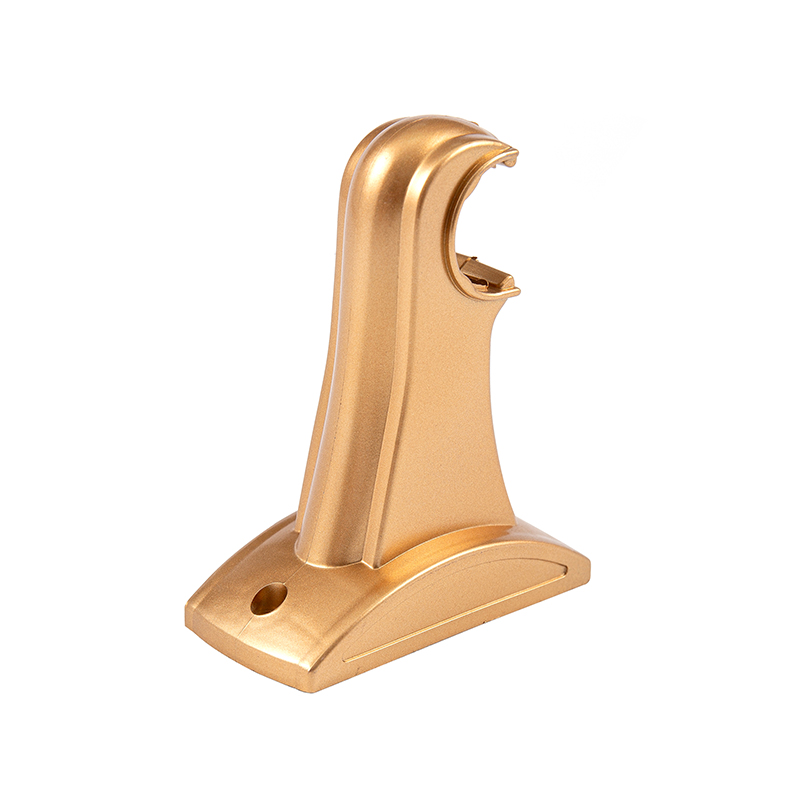
Most PVC wrapped curtain rods are designed to work with standard wall mounted or ceiling mounted brackets. The surface of the PVC is tough enough to be clamped into a bracket without being crushed or deformed. Some brackets feature a set screw that holds the rod in place, and the PVC layer provides a slight grip that prevents the rod from sliding or rotating once the screw is tightened. This secure fit is essential for maintaining the alignment of the curtains and ensuring that the rod does not shift when the fabric is moved.
The installation process is identical to that of a standard metal rod, requiring only basic tools like a drill and a screwdriver. Because the rods are lightweight compared to solid wood or heavy cast iron, they are easy to handle and maneuver during the mounting process. For very long windows, PVC wrapped rods can be used with center support brackets to provide additional stability. The uniform diameter of the wrapped rod ensures that it fits perfectly into the cradle of the bracket, creating a clean and professional appearance.
Adjustability and Compatibility with Various Finial Styles
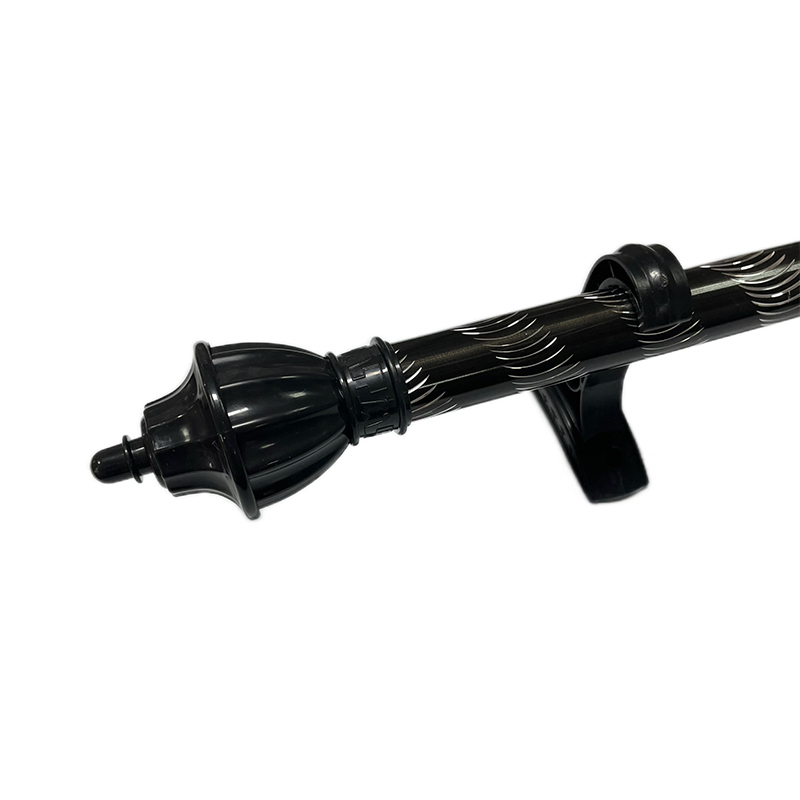
Many PVC wrapped curtain rods are designed with a telescopic mechanism that allows them to be adjusted to the exact width of the window. In these designs, the smaller inner tube and the larger outer tube are both wrapped in matching PVC film, ensuring a consistent look across the entire length. The transition point where the two tubes meet is carefully managed to ensure that the rings can pass over it smoothly. This adjustability is a major convenience, as it eliminates the need for precise measurements and custom cutting during the purchase process.
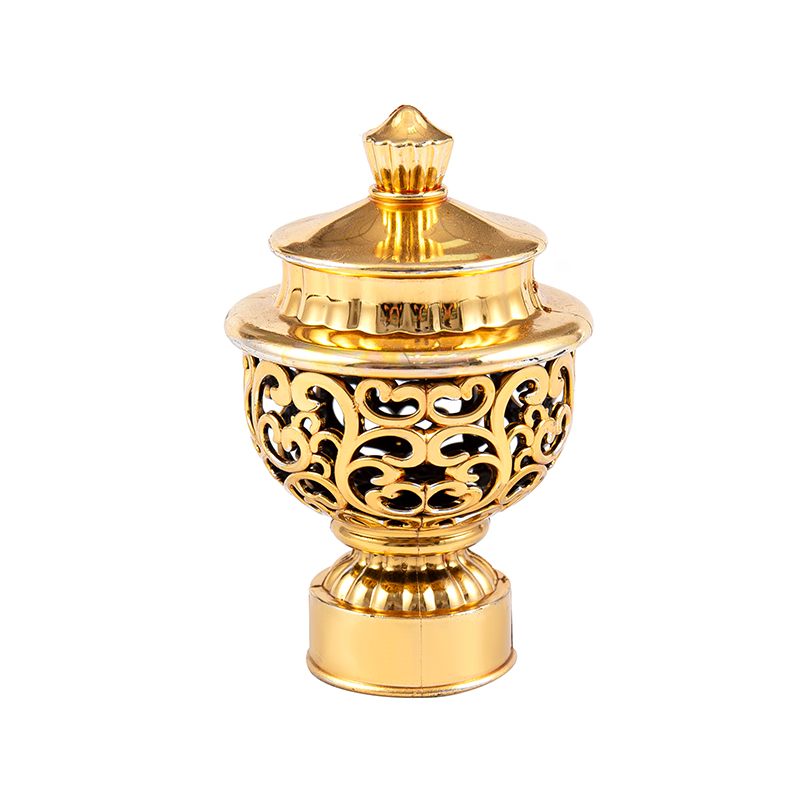
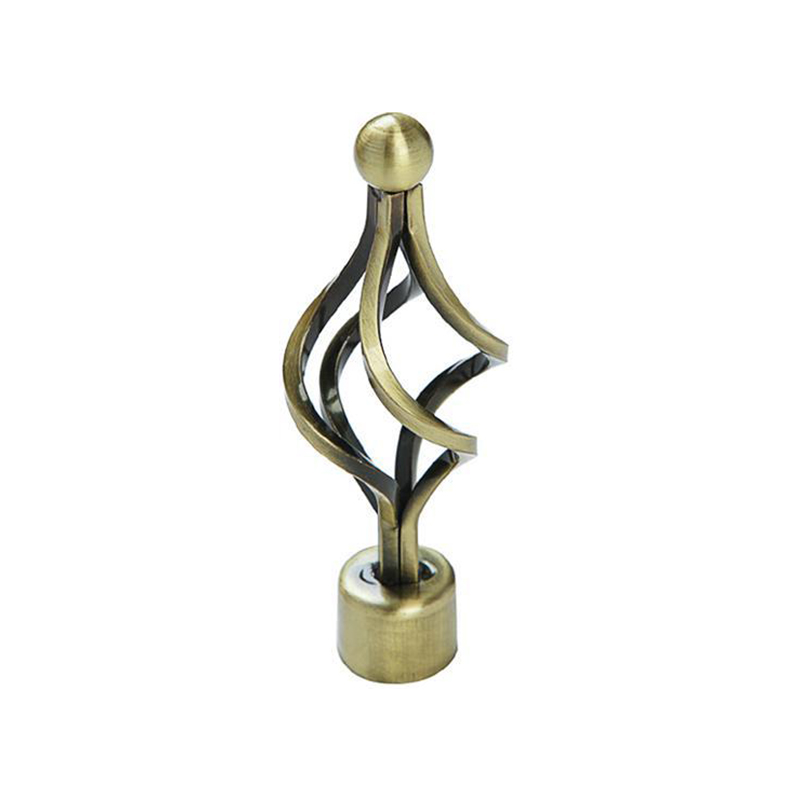
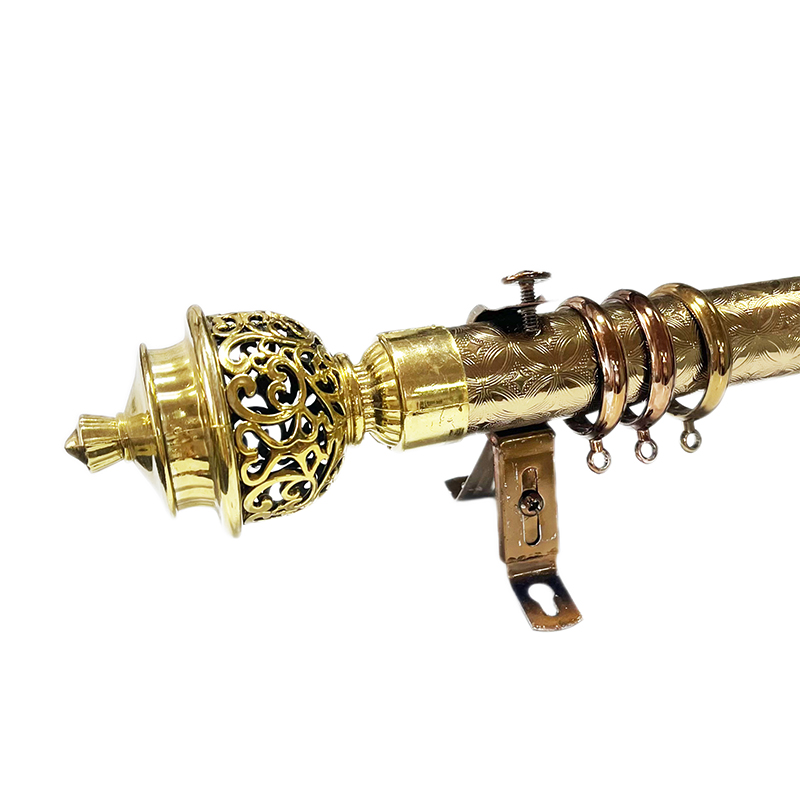
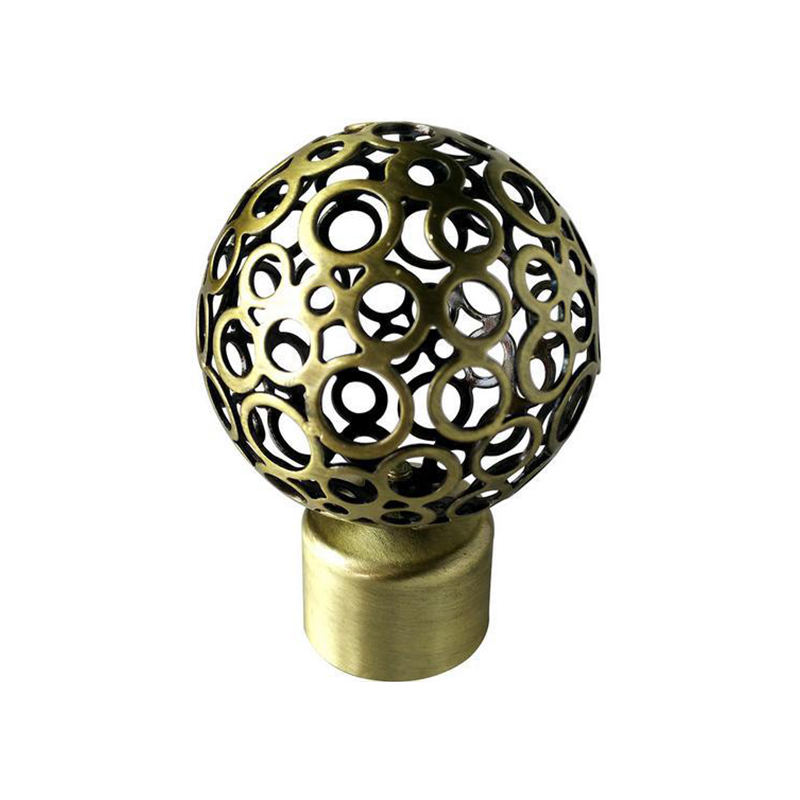
The ends of a PVC wrapped rod are usually equipped with standard threaded inserts or friction fit caps that allow for the attachment of decorative finials. This means that a homeowner can choose a simple end cap for a minimalist look or an elaborate crystal or metal finial for a more traditional aesthetic. The ability to swap out finials while keeping the same durable rod is a key benefit of this hardware system. It allows the decor of the room to be updated over time without the expense of replacing the entire structural assembly.
[Image description: A detailed photo showing the cross section of a PVC wrapped curtain rod with the steel core and the decorative film layer clearly visible]
Comparative Analysis of Curtain Rod Finishing Techniques
To fully appreciate the value of a PVC wrapped curtain rod, it is useful to compare it with other common finishing methods such as painting, powder coating, and electroplating. Each of these techniques has its own set of characteristics that affect the performance and appearance of the final product.
|
Finishing Feature |
PVC Wrapped Finish |
Powder Coated Finish |
Electroplated Finish |
Painted Finish |
|---|---|---|---|---|
|
Visual Realism |
Exceptional for wood and stone |
High for solid colors |
Best for metallic luster |
Moderate to Low |
|
Scratch Resistance |
Very High due to polymer density |
High but can chip |
Moderate, prone to scuffs |
Low, prone to peeling |
|
Moisture Protection |
Total seal, waterproof |
High but vulnerable at scratches |
High but can pit over time |
Moderate, depends on quality |
|
Texture Options |
Embossed 3D textures available |
Mostly smooth or matte |
Very smooth and reflective |
Usually smooth |
|
UV Stability |
High with chemical stabilizers |
High stability |
Can tarnish without lacquer |
Prone to fading over time |
|
Maintenance |
Simple wipe with damp cloth |
Easy to clean |
Requires specific polish |
Can require touch up paint |
As the comparison demonstrates, the PVC wrapped curtain rod offers a unique combination of visual realism and physical durability. While electroplating provides the most authentic metallic shine, it is more vulnerable to scratches and environmental damage. Powder coating is a robust option for solid colors, but it cannot replicate the complex patterns and textures of natural materials. The PVC wrap bridges these gaps, providing a high performance surface that looks like premium material while offering the low maintenance benefits of synthetic polymers.
Care and Maintenance Protocols for Long Term Performance
One of the most attractive aspects of a PVC wrapped curtain rod is how little effort is required to keep it looking new. Unlike wood that may need oiling or metal that may require polishing, PVC is a self sustaining material that only requires basic cleaning to maintain its integrity.
Routine Cleaning and Debris Removal
In the average home environment, the primary maintenance task for a curtain rod is the removal of accumulated dust. Because the PVC surface is non porous and relatively smooth, dust does not easily bond to it. A simple wiping with a dry microfiber cloth every few weeks is usually sufficient to remove any surface particles. For rods located in kitchens where grease can become airborne, a slightly damp cloth with a small amount of mild dish soap can be used. It is important to avoid using abrasive scouring pads or harsh chemical solvents, as these can dull the finish or damage the printed pattern of the PVC film.
The smooth surface of the PVC also makes it easy to remove any sticky residues that might accumulate from cleaning sprays or airborne pollutants. By keeping the top of the rod clean, the homeowner ensures that the curtain rings continue to glide without resistance. If the rod is located in a high humidity area like a bathroom, it should be wiped down occasionally to prevent the buildup of mineral deposits from evaporated water. This simple routine preserves the visual clarity of the finish and ensures that the rod remains a highlight of the room's decor.
Inspecting Hardware and Ensuring Mechanical Smoothness
While the PVC wrap itself is virtually maintenance free, it is a good practice to periodically check the mounting hardware and the telescopic joints. Over time, the constant movement of the curtains can cause the bracket screws to loosen slightly. A quick check with a screwdriver every year or two will ensure that the rod remains securely attached to the wall. For telescopic rods, it is important to ensure that the transition sleeve between the two tubes remains in the correct position. If the rod becomes difficult to adjust, a quick wipe of the inner tube with a clean cloth will usually remove any grit that might be causing friction.
If the curtain rings begin to make a noise or feel sluggish, it is often due to a buildup of dust on the top surface of the rod or inside the rings themselves. Cleaning both surfaces will restore the quiet, smooth operation that is characteristic of high quality PVC wrapped hardware. The enduring popularity of these rods is a testament to their practical design and their ability to meet the evolving needs of modern living spaces. By combining structural strength with aesthetic versatility and environmental resilience, the PVC wrapped curtain rod has established itself as a premier solution for sophisticated window treatments.