English
 Français
 عربى
عربى
The selection of window hardware is a critical yet often overlooked component of interior design that directly impacts the functionality and visual harmony of a living space. Among the various options available to homeowners and decorators, the adjustable curtain rod has emerged as a quintessential solution due to its inherent versatility and ease of installation. Unlike fixed length rods that require precise measurements and custom cutting, an adjustable curtain rod utilizes a telescopic mechanism that allows it to adapt to a wide range of window dimensions. This flexibility is not only a matter of convenience during the purchase process but also a vital feature for individuals who may move between different residences or choose to update their window treatments over time. By providing a bridge between standard window sizes and unique architectural openings, the adjustable rod ensures that every room can achieve a polished and professional look with minimal effort.
The engineering behind an adjustable curtain rod involves a sophisticated balance of material strength and mechanical simplicity. Most contemporary designs consist of two or more nested tubes that slide within one another to reach the desired width. This telescoping action is secured through various locking mechanisms which range from simple friction fits to advanced internal spring systems. Because these rods are designed to support everything from lightweight sheers to heavy blackout draperies, the choice of materials such as steel, iron, or reinforced polymers is essential for maintaining structural integrity. This guide will provide an in depth exploration of the mechanical principles, material science, and design considerations that make the adjustable curtain rod an indispensable tool in the modern interior design toolkit.
The Fundamental Mechanics and Telescopic Engineering of Adjustable Curtain Rod Systems
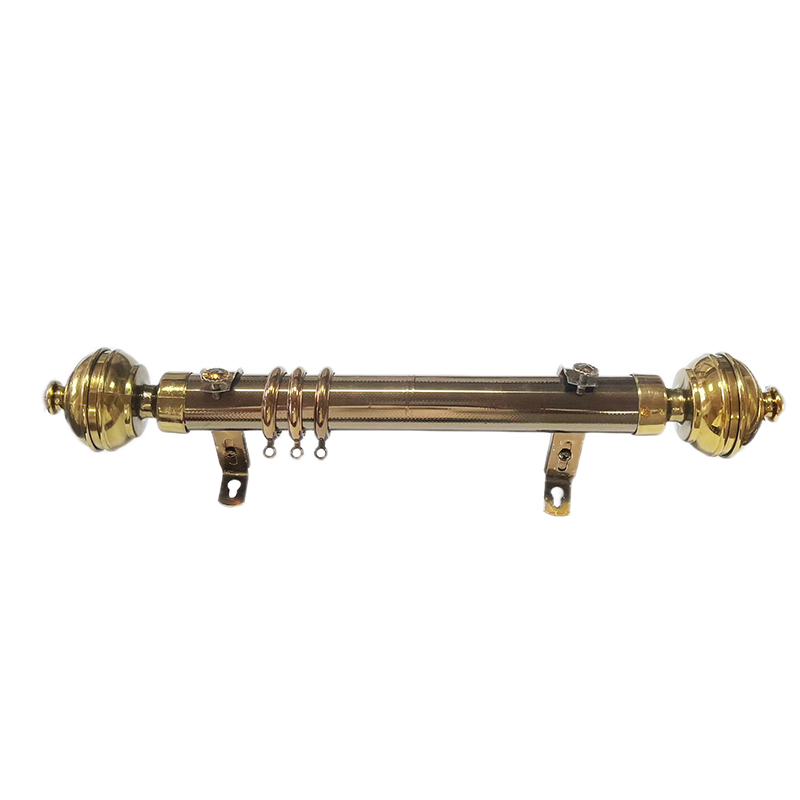
To understand why an adjustable curtain rod is so effective, one must examine the telescopic design that defines its operation. The primary structure typically involves an outer tube with a larger diameter and an inner tube with a slightly smaller diameter that fits snugly inside. This relationship allows the user to pull the inner tube outward until the rod reaches the exact width of the window frame or the surrounding wall space. The precision of the fit between these two tubes is critical because a loose fit can lead to instability and an unappealing sag at the junction point. Manufacturers often use high precision extrusion techniques to ensure that the transition between the tubes is as seamless as possible, minimizing the visual impact of the step where the diameters change.
Internal Locking Mechanisms and Structural Stability
The method by which an adjustable curtain rod maintains its set length varies depending on the specific model and the intended application. Many standard rods utilize a simple friction based system where the tension between the tubes is sufficient to hold the position once the rod is placed within its mounting brackets. However, for applications where the rod must span a significant distance without a center support bracket, more robust locking systems are employed. One such system is the internal cam lock, which involves a plastic or metal component inside the tube that expands against the inner wall of the larger tube when the two parts are twisted in opposite directions. This creates a secure mechanical bond that prevents the rod from sliding back inward under the weight of heavy curtains.
Another popular variation is the spring tension adjustable curtain rod, which is designed for use within window frames or between two parallel walls. This type of rod contains a powerful internal spring that exerts constant outward pressure. The user adjusts the rod to a length slightly longer than the opening and then compresses the spring to wedge the rod into place. This eliminates the need for screws or permanent mounting hardware, making it an ideal choice for rental properties or tiled bathrooms where drilling is undesirable. The engineering of the spring must be carefully calibrated to provide enough force to support the weight of the fabric without causing damage to the wall surface or losing tension over time due to material fatigue.
Managing the Diameter Transition and Ring Movement
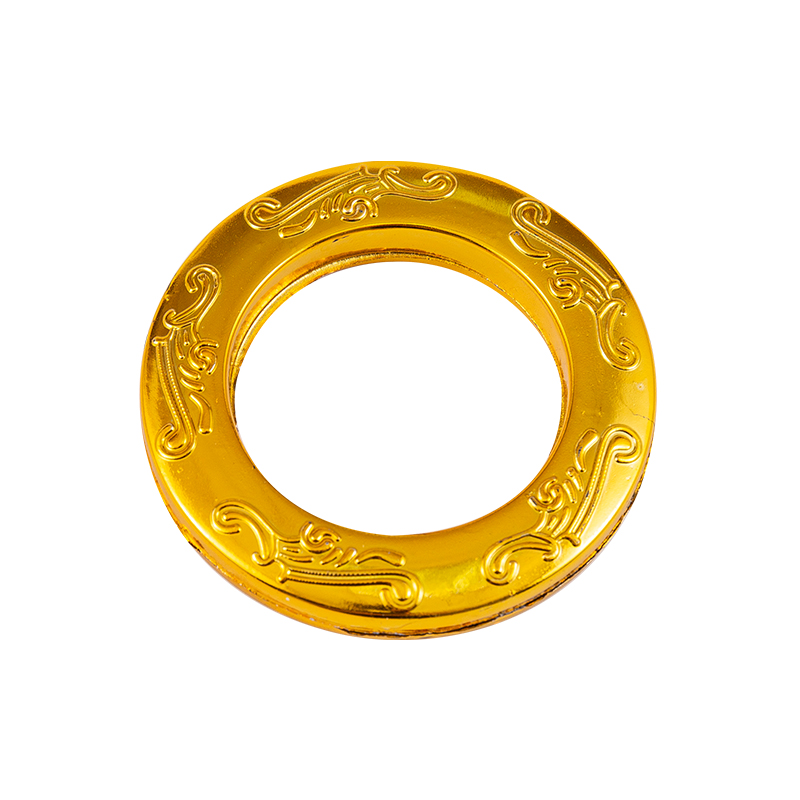
One challenge inherent in the design of any adjustable curtain rod is the discrepancy between the diameters of the nested tubes. When using curtain rings or grommets, the hardware must pass over the point where the smaller tube enters the larger one. If the transition is too abrupt, the rings can catch or snag, leading to frustration during the daily operation of the curtains. To address this, high quality rods often feature a tapered plastic sleeve or a smoothed metal edge at the junction. This subtle refinement ensures that the rings can glide effortlessly across the entire length of the rod. Furthermore, the selection of the rod diameter itself is a functional decision, as larger diameters provide greater rigidity and can span wider distances without bowing, while smaller diameters are suited for lighter fabrics and more delicate aesthetic requirements.
Material Selection and Surface Finishes for Long Term Durability
The durability and performance of an adjustable curtain rod are heavily dependent on the materials used in its construction. While aesthetic appeal is important, the rod must primarily function as a structural beam that resists bending and environmental degradation. Most professional grade adjustable rods are manufactured from metals such as carbon steel, stainless steel, or zinc alloy, each offering different advantages in terms of weight, strength, and cost. Steel is particularly favored for its high tensile strength, which allows even thin walled tubes to support significant loads without permanent deformation. For environments with high humidity, such as kitchens or bathrooms, stainless steel or aluminum are preferred due to their natural resistance to rust and corrosion.
The Role of Electroplating and Powder Coating Technologies
To protect the underlying metal and provide the desired visual appearance, manufacturers apply various surface treatments to the adjustable curtain rod. Electroplating is a common process used to create metallic finishes such as brushed nickel, polished brass, or chrome. During this process, the rod is submerged in an electrolyte bath and an electric current is used to deposit a thin layer of another metal onto the surface. This creates a hard, durable finish that is resistant to scratches and maintains its luster for many years. Because electroplating creates a molecular bond with the base metal, the finish is unlikely to chip or peel, even with the frequent movement of curtain rings across the surface.
Powder coating is another highly effective finishing technique that is widely used for solid colors like matte black, white, or bronze. This process involves applying a dry powder consisting of pigment and resin to the rod using an electrostatic charge. The rod is then baked in an industrial oven, causing the powder to melt and cure into a smooth, thick, and incredibly tough film. Powder coated finishes are particularly resistant to impact and chemical cleaning agents, making them a practical choice for busy households. The thickness of the powder coat can also help to dampen the sound of metal rings sliding on the rod, contributing to a quieter and more premium user experience.
Reinforced Polymers and Lightweight Alternatives
In some applications, particularly for temporary setups or very lightweight cafe curtains, an adjustable curtain rod may be constructed from reinforced polymers or lightweight aluminum. While these materials do not possess the same load bearing capacity as heavy duty steel, they offer the advantage of being extremely light and easy to handle. Modern plastics can be engineered with internal ribs and structural additives to increase their stiffness, allowing them to function effectively over shorter spans. These materials are also completely immune to moisture, making them an excellent choice for outdoor spaces or high moisture indoor environments. However, for primary living areas where large, floor to ceiling drapes are used, metal remains the standard for ensuring that the rod does not sag or fail over time.
Load Bearing Capacity and Weight Distribution Across Varied Window Widths
A primary technical consideration when selecting an adjustable curtain rod is its ability to support the intended weight of the window treatments. The load bearing capacity of a rod is not a fixed number but is rather a function of its diameter, wall thickness, and the distance between the mounting brackets. As an adjustable rod is extended to its maximum length, the overlap between the internal and external tubes decreases, which can lead to a reduction in structural stiffness at the center point. Understanding how to manage these physical forces is essential for a successful installation that remains level and secure.
The Physics of Deflection and Center Support Brackets
In the world of structural engineering, every horizontal beam will experience some degree of deflection, or sagging, when a load is applied to its center. For an adjustable curtain rod, this sag is most prominent when the rod is fully extended. To counteract this, manufacturers and interior designers recommend the use of center support brackets for any rod spanning more than forty eight inches. The center bracket acts as an additional anchor point that halves the effective span of the rod, significantly increasing its overall rigidity. By distributing the weight of the curtains across three or more points instead of just two, the stress on the wall anchors is also reduced, preventing the hardware from pulling out of the drywall over time.
The weight of the fabric itself is the most significant factor in the load calculation. Lightweight sheers made of polyester or silk may only weigh a few pounds, placing minimal stress on the adjustable curtain rod. In contrast, heavy velvet drapes or blackout curtains with thermal linings can weigh upwards of twenty pounds per pair. When these heavy fabrics are pulled to one side of the window, they create a concentrated load that can cause the rod to tilt or bow if it is not properly supported. It is therefore vital to choose a rod with a diameter that is appropriate for the fabric weight, with one inch or one point two five inch diameters being the standard for heavy duty applications.
Calculating the Total System Weight for Secure Mounting
A successful installation requires looking beyond the adjustable curtain rod itself and considering the entire system, including the mounting hardware and the wall substrate. The total weight includes the rod, the finials, the rings, and the curtains. This combined mass must be supported by the wall anchors and screws. In many modern homes, curtains are mounted into drywall, which has limited holding power on its own. For maximum security, it is always best to mount the brackets directly into the wooden wall studs. However, when studs are not available at the desired locations, high quality toggle bolts or heavy duty threaded anchors must be used to ensure that the adjustable curtain rod remains firmly attached to the wall, even when the curtains are being opened and closed with vigor.
Installation Methodologies and the Versatility of Mounting Systems
One of the most attractive features of the adjustable curtain rod is the simplicity of the installation process. Because the rod can be fine tuned to the exact width needed, the installer does not need to worry about the extreme precision required for fixed length hardware. This ease of use extends to the various types of mounting systems that have been developed to accommodate different architectural styles and personal preferences. From traditional wall mounted brackets to innovative ceiling mounts, the adjustable rod can be adapted to almost any scenario.
Traditional Wall Mounts vs. Inside Mount Tension Rods
The traditional wall mount is the most common method for installing an adjustable curtain rod. This involves attaching brackets to the wall surface outside the window frame, usually several inches above and to the sides of the opening. This approach allows the curtains to fully clear the glass when opened, maximizing the natural light entering the room. The brackets for adjustable rods are often designed with a specific projection distance, which is the space between the wall and the rod. Some brackets are even adjustable in their projection, allowing the user to clear obstacles like deep window trim or crank handles for casement windows.
Inside mount systems, often utilizing tension based adjustable rods, provide a completely different aesthetic. In this configuration, the rod is placed within the recessed area of the window frame. This creates a clean, minimalist look that is perfect for modern interiors or for windows where there is no space for external mounting. Inside mounts are also frequently used for shower curtains or for adding a layer of privacy film or sheer fabric behind a set of primary drapes. The limitation of the inside mount is that the curtains will always block a portion of the window glass, even when they are pulled open, making this method better suited for windows where full light exposure is not the primary concern.
Specialized Mounting for Unique Architectural Features
Modern architecture often presents challenges such as corner windows, bay windows, or floor to ceiling glass walls where traditional mounting is impossible. The adjustable curtain rod is particularly useful in these situations because it can be combined with specialized corner connectors or flexible joints. For a bay window, three separate adjustable rods can be linked together using angled connectors, allowing a single continuous run of fabric to follow the contour of the architecture. Ceiling mount brackets are another excellent solution for windows that reach all the way to the top of the wall. By mounting the adjustable curtain rod to the ceiling, designers can create an illusion of greater height and a more dramatic, high end appearance.
Aesthetic Design and the Role of Decorative Finials in Interior Styling
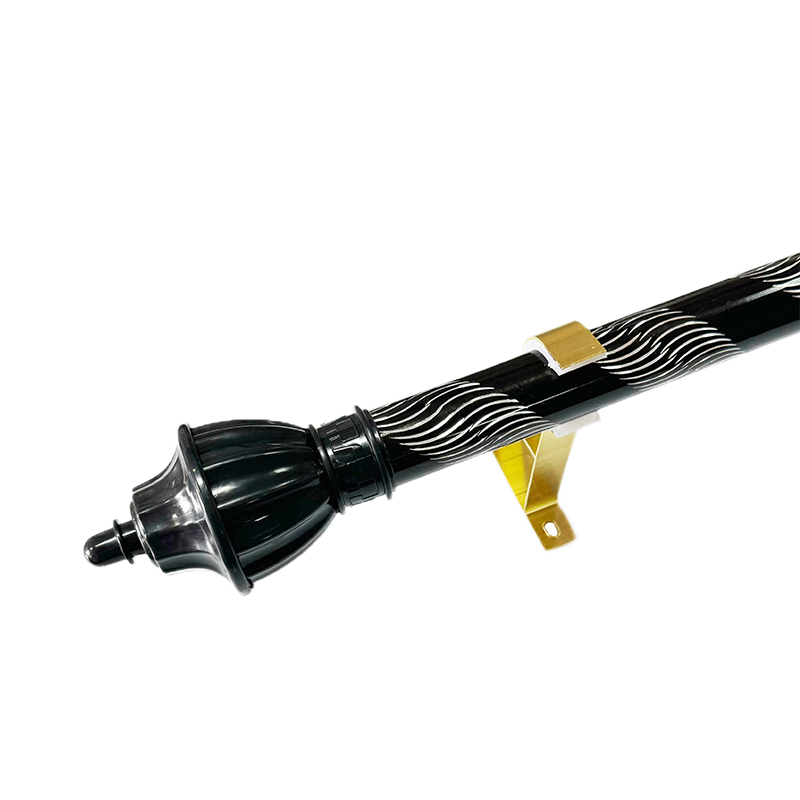
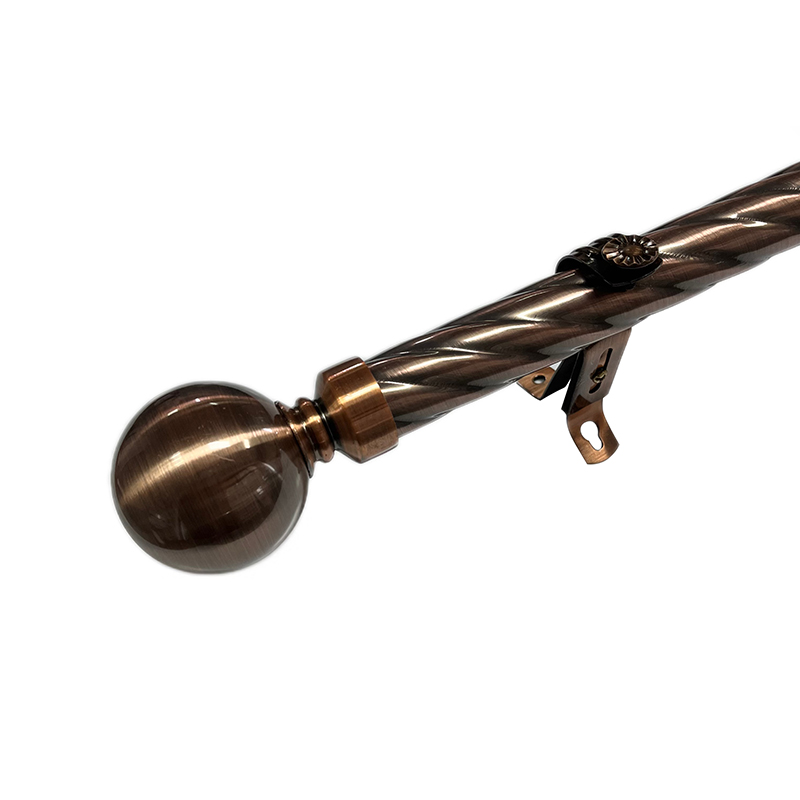
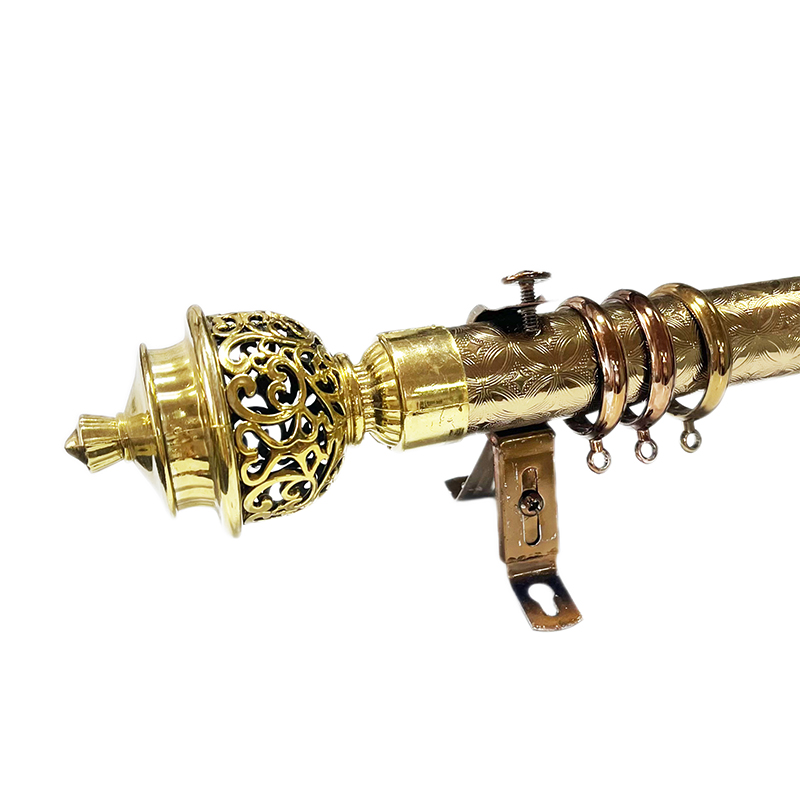
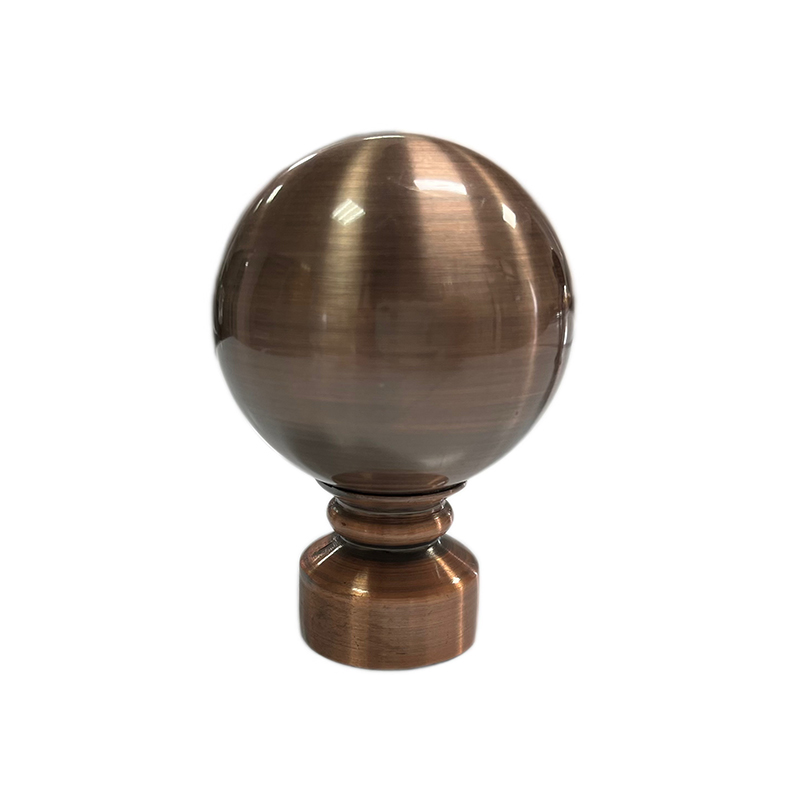
While the functional aspects of an adjustable curtain rod are paramount, its contribution to the overall aesthetic of a room cannot be ignored. The rod serves as a visual frame for the window, and its color, texture, and ornamentation can either blend seamlessly into the background or serve as a bold design statement. The most visible decorative element of any curtain rod system is the finial, which is the ornamental cap that sits at each end of the rod.
Coordinating Styles with Furniture and Hardware
The choice of finish for an adjustable curtain rod should be coordinated with other metallic elements in the room, such as door handles, light fixtures, and furniture accents. A room with mid century modern furniture may benefit from a rod in a warm brass or gold finish, while a contemporary industrial space might be better served by matte black or brushed steel. By matching these metal tones, a designer creates a sense of cohesion and intentionality throughout the space. The diameter of the rod also plays a role in the style, with thinner rods appearing more delicate and traditional, while thicker rods provide a more substantial and modern presence.
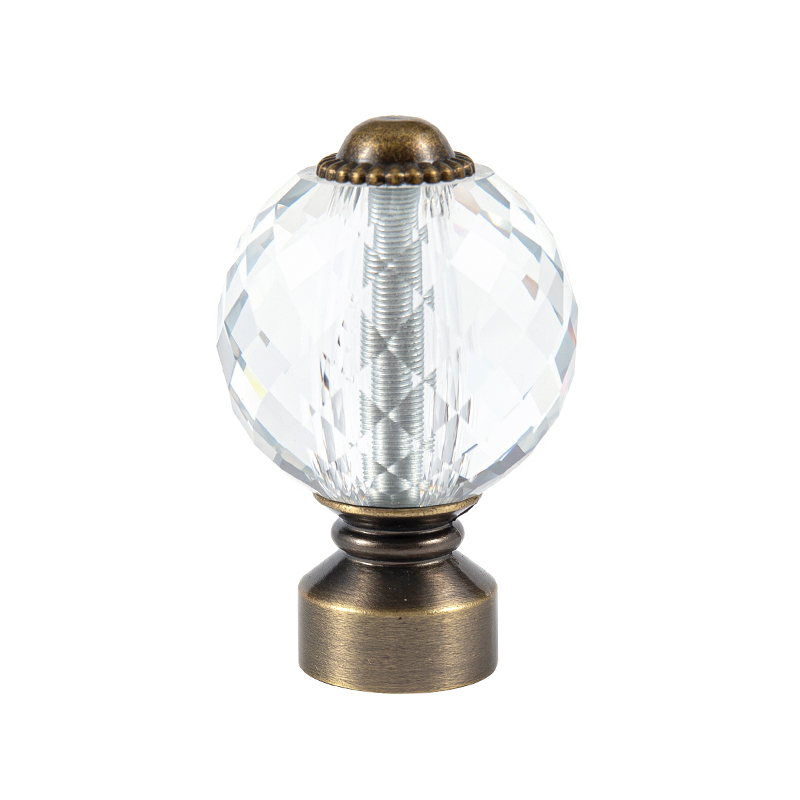
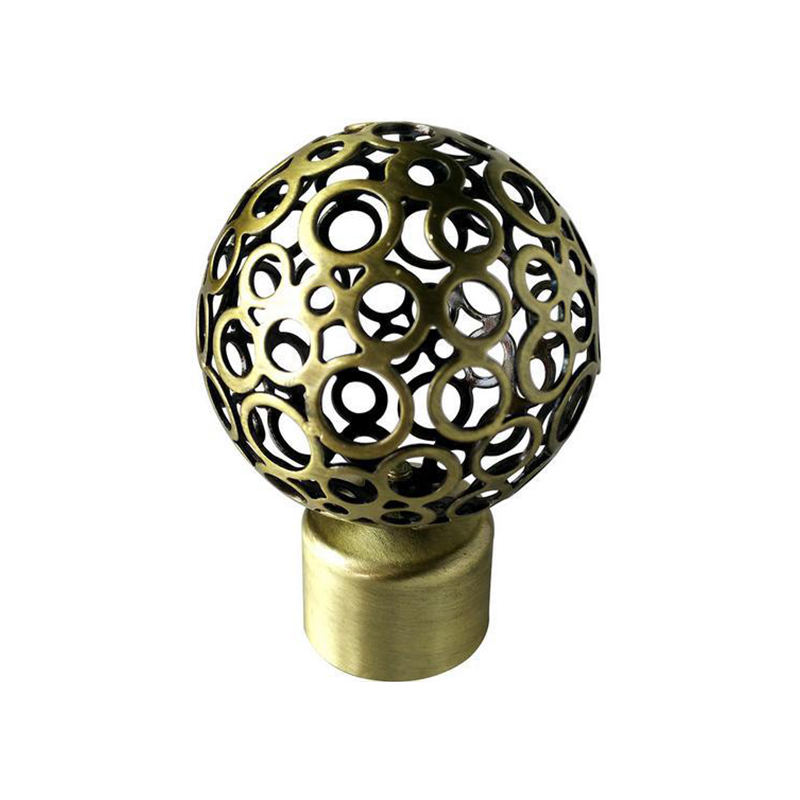
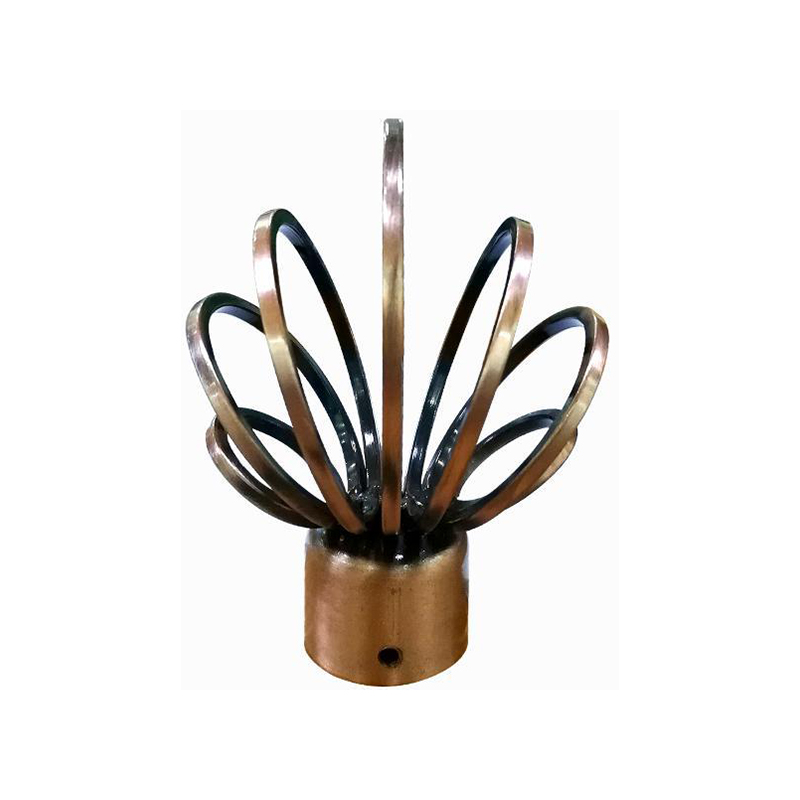
Decorative finials offer an additional opportunity for customization. These components are available in an endless variety of shapes and materials, including simple end caps, classic glass or crystal balls, intricate hand carved wood, and modern geometric shapes. Because most adjustable curtain rods feature standard threaded ends, the finials can often be swapped out if the homeowner decides to change the decor of the room. This modularity is a key advantage of high quality rod systems, as it allows for long term flexibility without the need to replace the entire structural assembly.
Creating Visual Impact with Rod Placement
The physical placement of the adjustable curtain rod can dramatically alter the perception of a room's dimensions. To make a window appear larger, the rod can be adjusted to a wider width than the frame, allowing the curtains to hang mostly on the wall. This trick, often referred to as stacking off, makes the window feel expansive and grand. Similarly, mounting the rod several inches higher than the window frame draws the eye upward, making the ceiling feel higher and the room more airy. The adjustability of the rod is what makes these design techniques possible, as the user can experiment with different widths until the perfect visual balance is achieved.
Comparative Analysis of Adjustable Rods Against Fixed Length Alternatives
To fully appreciate the value of an adjustable curtain rod, it is useful to compare it with the traditional fixed length alternative. While custom made fixed rods have their place in high end luxury installations, for the vast majority of residential and commercial projects, the adjustable variety offers a superior combination of performance and practicality.
|
Feature |
Adjustable Curtain Rod |
Fixed Length Curtain Rod |
|---|---|---|
|
Installation Ease |
High, requires no cutting or specialized tools |
Moderate, requires precise cutting and measurement |
|
Versatility |
Exceptional, can move from one window to another |
Low, specific to one window size only |
|
Structural Rigidity |
Good, requires center support for long spans |
Excellent, very high stiffness throughout |
|
Aesthetic Continuity |
Small visible step at the tube transition |
Perfectly smooth and seamless appearance |
|
Cost Efficiency |
Very high, mass produced and widely available |
Moderate to low, often requires custom ordering |
|
Maintenance |
Simple, easy to adjust or remove for cleaning |
Permanent, more difficult to remove if screwed in |
As the comparison demonstrates, the adjustable curtain rod is the clear winner for most users who prioritize flexibility and cost. While a fixed rod offers a slightly more seamless look and higher rigidity for extremely long spans, the inability to adapt to different windows is a significant drawback. For most interior design projects, the small visual step at the telescopic joint is a negligible trade off for the ability to purchase a rod today and have it perfectly installed in minutes.
Care and Maintenance Protocols for Preserving Surface Integrity and Functionality
An adjustable curtain rod is a low maintenance item, but a small amount of care will ensure that it continues to function smoothly and look beautiful for many years. The primary concerns for maintenance are the accumulation of dust and the potential for the telescopic mechanism to become stiff over time due to environmental factors.
Routine Cleaning and Dust Removal
In any home, dust will inevitably settle on the top of the horizontal surfaces, and the curtain rod is no exception. If left uncleaned, this dust can mix with moisture in the air to create a sticky film that makes it difficult for the curtain rings to slide. Periodically wiping the rod with a soft, dry microfiber cloth is usually all that is needed to keep the surface clean. For metallic finishes, a slightly damp cloth can be used to remove fingerprints or smudges, followed immediately by a dry cloth to prevent water spots. Abrasive cleaners or steel wool should never be used, as they will scratch the delicate electroplated or powder coated surface and can lead to the formation of rust on steel components.
Maintaining the Telescopic Mechanism and Hardware
The moving parts of an adjustable curtain rod, such as the telescopic joints and the bracket screws, should be checked occasionally for tightness and smooth operation. If the rod becomes difficult to adjust, it is usually due to a buildup of debris at the junction of the tubes. Removing the rod and wiping the inner tube with a clean cloth will often resolve the issue. In rare cases where a friction lock or cam lock has become stuck, a very small amount of dry silicone spray can be used to lubricate the mechanism. Oil based lubricants should be avoided because they attract dust and can stain the curtain fabric if they drip.
It is also important to inspect the wall brackets and anchors every year or two, especially if the curtains are heavy or are opened frequently. The constant movement can cause screws to loosen slightly, leading to a wobbling rod. Simply tightening the screws with a screwdriver will ensure that the system remains safe and secure. By following these basic care protocols, homeowners can protect their investment and ensure that their adjustable curtain rod remains a functional and attractive part of their interior decor for the lifetime of the home. The enduring popularity of this hardware is a testament to its practical design and its ability to meet the evolving needs of modern living spaces.