English
 Français
 عربى

A shipment of “1-inch” curtain rods arrives at a warehouse. The sample rings fit, but the brackets do not. The rod measures 25 mm at the end, the ring opening was cut for 25.4 mm plus clearance, and the bracket was drilled for a 28 mm rod. Nobody made an obvious mistake on paper, yet the order is now a return, a rework, or a rushed replacement. Curtain rod diameters cause this kind of problem because the number on a label is often a nominal size, not a manufacturing specification.
The practical conclusion is simple: treat curtain rod diameter as a system dimension, not a marketing size. Confirm the actual outer diameter, the tolerance, the wall thickness, the ring inner diameter, and the bracket opening before you buy. For most residential projects, 5/8 in, 3/4 in, and 1 in rods cover light to medium curtains. For heavier fabrics, wider spans, and commercial work, 1 1/8 in, 1 1/4 in, 1 1/2 in, and 2 in rods become more relevant. The smaller the rod, the more important it is to check span, fabric weight, and support spacing.
This guide explains what the diameter number really means, how common sizes compare, where metric and imperial sizes drift apart, and how to write a purchase order that avoids ring, bracket, and finial mismatches.
What “Curtain Rod Diameter” Means on a Purchase Order
Curtain rod diameter is the distance across the outside of the rod, measured through the center of the circular end. It is not the length of the rod, not the circumference, and not the distance between the mounting holes. If you wrap a tape measure around the rod, you are measuring circumference. That number is useful for calculating diameter with the formula circumference divided by 3.1416, but it is not the diameter itself.
In B2B purchasing, the useful specification is usually “outer diameter x wall thickness x material x finish.” A 25.4 mm outer diameter tells you what rings and brackets may fit. A 0.6 mm wall tells you something different from a 1.0 mm wall, even when both rods carry the same outer diameter. Two rods can look identical on a showroom wall and behave very differently over a 3 m span with lined blackout curtains.
Nominal sizes are another source of confusion. A supplier may call a rod “1 inch” when the actual outer diameter is 25 mm, 25.4 mm, or even 25.8 mm after coating. The difference sounds small. In a ring fit, it is not. A ring with a 25.5 mm inner diameter may slide on a bare 25 mm rod and bind on a powder-coated 25.4 mm rod. The coating, plating, or PVC wrap can add 0.1 mm to 0.5 mm or more, depending on the process.
For export orders, write both the nominal size and the measured target. For example: “1 in nominal, 25.4 mm actual outer diameter, tolerance plus or minus 0.15 mm, aluminum, 0.8 mm wall, powder-coated.” That single line does more to prevent disputes than a catalog page showing a styled room scene. It also gives the factory a clear acceptance range, which matters when rings and brackets are sourced separately.
Measure the rod at three points: near each end and in the middle. Avoid measuring over a joint, a threaded insert, a telescoping overlap, or a decorative collar. If the rod is tapered or has a shaped profile, measure the section that will sit inside the ring and bracket. The diameter at the finial is not the working diameter of the rod.
The Common Curtain Rod Diameters and What They Are Usually For
Curtain rod diameters are not standardized across every market in the same way as some building products. Suppliers use inch sizes, metric sizes, and hybrid labels. The table below gives a practical map, not a universal load rating. Use it to shortlist, then confirm actual dimensions and support spacing with the supplier.
| Nominal size | Approximate outer diameter | Typical use | Fit check to make | Common risk |
|---|---|---|---|---|
| 5/8 in | 16 mm | Light sheers, small windows, casual residential curtains | 5/8 in rings and small brackets; confirm rod end clearance | Sagging on wide spans or heavy fabrics |
| 3/4 in | 19 mm | Medium-weight curtains, bedrooms, secondary windows | 3/4 in rings; bracket cup size | Limited finial and bracket options |
| 1 in | 25 mm or 25.4 mm | General residential curtains, lined cotton, medium blackout | 1 in rings with clearance; actual OD after finish | Metric and imperial “1 inch” mismatch |
| 1 1/8 in | 28 mm or 28.6 mm | Heavier curtains, wider windows, contract residential | 1 1/8 in rings; bracket opening | 28 mm bracket used on 28.6 mm rod |
| 1 1/4 in | 32 mm | Heavy drapery, large windows, hotel and hospitality | 1 1/4 in rings; heavy-duty brackets | Underestimated wall fixing load |
| 1 1/2 in | 38 mm | Wide spans, thick blackout, commercial interiors | 1 1/2 in rings; center or intermediate supports | Visual scale too heavy for small rooms |
| 2 in | 50 mm | Large commercial windows, theatrical or feature installations | 2 in rings; engineered brackets and anchors | High hardware cost and limited accessory range |
A 1 in rod is often the default recommendation for a residential living room or bedroom because it balances strength, accessory availability, and visual weight. It is not automatically the right choice for a 4 m window with heavy interlining, and it is not automatically wrong for a smaller window if the ceiling height and curtain style call for a stronger line. Diameter is one part of the visual scale, along with finial size, bracket projection, and fabric fullness.
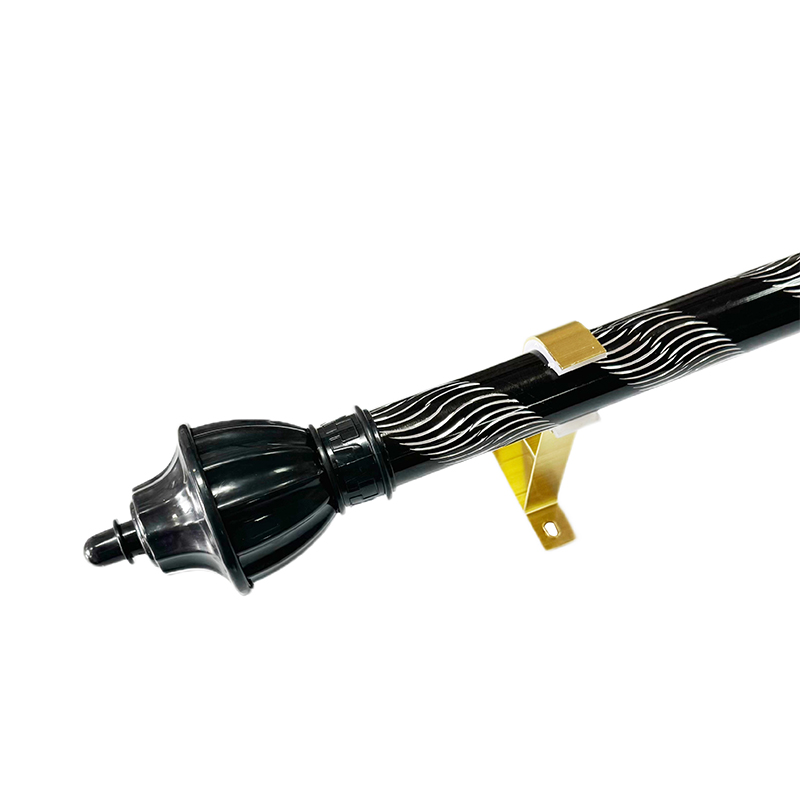
Decorative profiles complicate the table. A single crescent aluminum rod, for example, may have a shaped profile that changes how a ring contacts the surface. The nominal diameter may refer to the widest point, while the ring runs on a narrower section. Check the working diameter, not only the widest decorative point.
 Single Crescent Aluminum Curtain Rod for Curved WindowsCustomizable 6063-T5 aluminum rod for bay and arched windows, with decorative crescent profile; check working diameter where rings contact the surface.View Product →
For projects that mix materials, keep the working diameter consistent across the building. A hotel that uses 1 1/4 in rods in public areas and 1 in rods in guest rooms may need two ring sizes, two bracket sizes, and two installation crews’ worth of training. That is not always a problem, but it should be a decision, not an accident.
Why Diameter Is Not Just a Visual Choice
A curtain rod is a beam in bending. When curtains hang, the load pulls down on the rod, and the brackets hold it at the ends or at intermediate points. For a thin-walled tube, bending stiffness rises sharply as diameter increases. A rough engineering comparison shows why: if wall thickness and material stay the same, increasing diameter from 25 mm to 28 mm raises the second moment of area by about 57 percent. Increasing from 25 mm to 32 mm raises it by roughly 2.7 times. Those numbers are approximations, but they explain the practical difference between a 1 in rod and a 1 1/4 in rod on a wide span.
Wall thickness still matters. A 25 mm rod with a 1.2 mm wall can be stiffer and stronger than a 28 mm rod with a 0.6 mm wall. If a supplier quotes only “28 mm” and does not state wall thickness, you do not have enough information to compare it with another 28 mm rod. Ask for the wall thickness, material grade, and temper. For aluminum, the alloy and temper affect stiffness and dent resistance. For steel, coating and weld quality affect corrosion performance and appearance.
Span and support spacing change the decision more than most buyers expect. A 5/8 in rod may be fine over a 1.2 m window with sheers and two end brackets. The same rod over a 3 m opening with lined curtains and no center support is a different application. A 1 1/8 in or 1 1/4 in rod with a center bracket is often a more stable choice for a wide, heavy installation. The bracket is not a detail; it is part of the load path.
Curtain weight is not only about fabric thickness. Lining, interlining, blackout coating, weighted hem, and generous fullness all add load. A lightweight sheer may weigh a fraction of a lined velvet curtain covering the same window. If you are specifying for a hotel or a large residential project, ask for the curtain weight per meter or the total panel weight. That figure, combined with span and bracket spacing, is more useful than a generic “heavy duty” label.
Mounting surface also belongs in the diameter discussion. A 1 1/2 in rod on a drywall ceiling with weak anchors is less secure than a 1 in rod fixed into studs or a concrete slab with appropriate anchors. The rod diameter can be right and the installation can still fail because the bracket fixing is wrong. For commercial work, have the structural fixing checked rather than assuming that a larger rod solves every load problem.
Matching Rod Diameter to Curtain Rings and Glides
Ring fit is where curtain rod diameters become very concrete. The ring inner diameter must be larger than the rod outer diameter. A small clearance allows the ring to slide without wobble; too little clearance causes binding, noise, and finish wear. Too much clearance makes the curtain feel loose and can cause the rings to hang at an angle under heavy fabric.
As a working guide, allow roughly 1 mm to 3 mm of diametral clearance between the rod outer diameter and the ring inner diameter, depending on ring material, curtain weight, and surface finish. A 25.4 mm rod may work with a ring around 27 mm to 28 mm inner diameter. A 28 mm rod may need a ring closer to 30 mm. These are starting points, not universal tolerances. A powder-coated rod can be slightly larger than a bare metal rod. A cast ring with a rough inner surface may need more clearance than a polished or nylon-lined ring.
A ring labeled “1 inch” may mean 1 inch inner diameter, 1 inch compatible rod, or 1 inch outer decorative width. Those are three different things. Ask for the inner diameter in millimeters. If the supplier cannot provide it, request a sample and measure it with calipers. A ring that fits a bare sample rod may not fit the finished production rod if the coating thickness changes.
For pleated curtains, ring count and spacing affect how the curtain stacks and how smoothly it opens. They do not change the basic fit rule: the ring must pass over the rod without forcing. If the curtain has a tape heading with hooks, check that the hook and ring connection does not twist the ring against the rod. A slightly larger ring can reduce friction, but too much play can make the heading look uneven.
The standard curtain ring category is a practical place to compare inner diameters and materials, but the final check should always be dimensional. A ring that looks correct in a catalog can still bind on a 28.6 mm rod if it was designed around a 28 mm nominal rod.
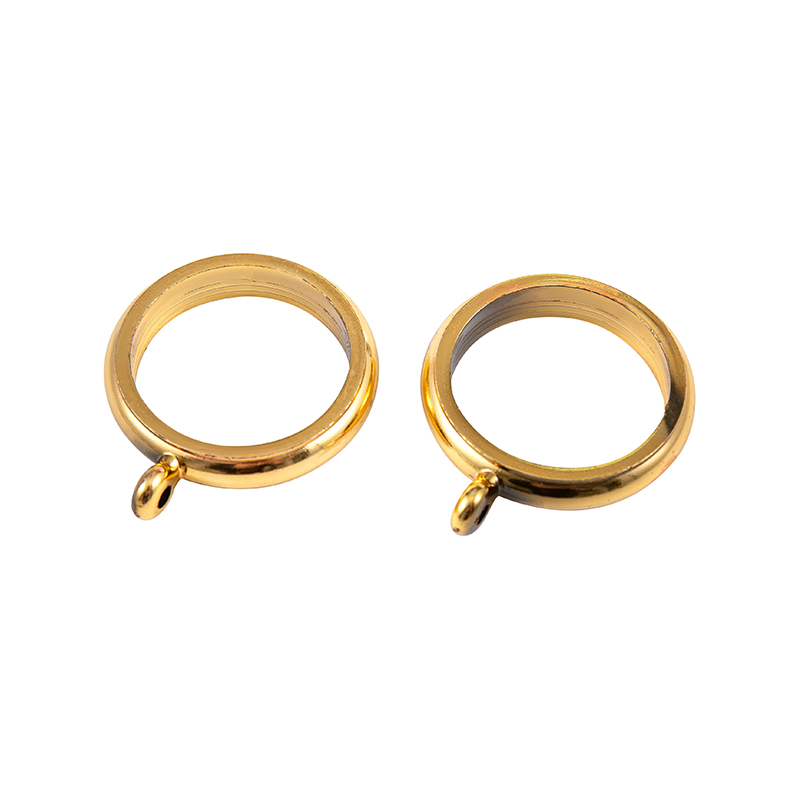 Standard Curtain Rings in 26 mm and 35 mmPlastic or zinc-alloy rings with nylon or silicone lining, available in 26 mm and 35 mm; compare final inner dimensions rather than nominal rod sizes.View Product →
Track systems use glides or carriers rather than rings, so the diameter question changes. A curtain track has a channel and a runner; the relevant dimensions are channel width, runner height, and the track’s load rating. Do not compare a track’s profile number with a rod diameter. They are different systems. If a project mixes rods and tracks, specify each system separately and keep the accessories with their matching system.
Brackets, Finials, and Return Clearance
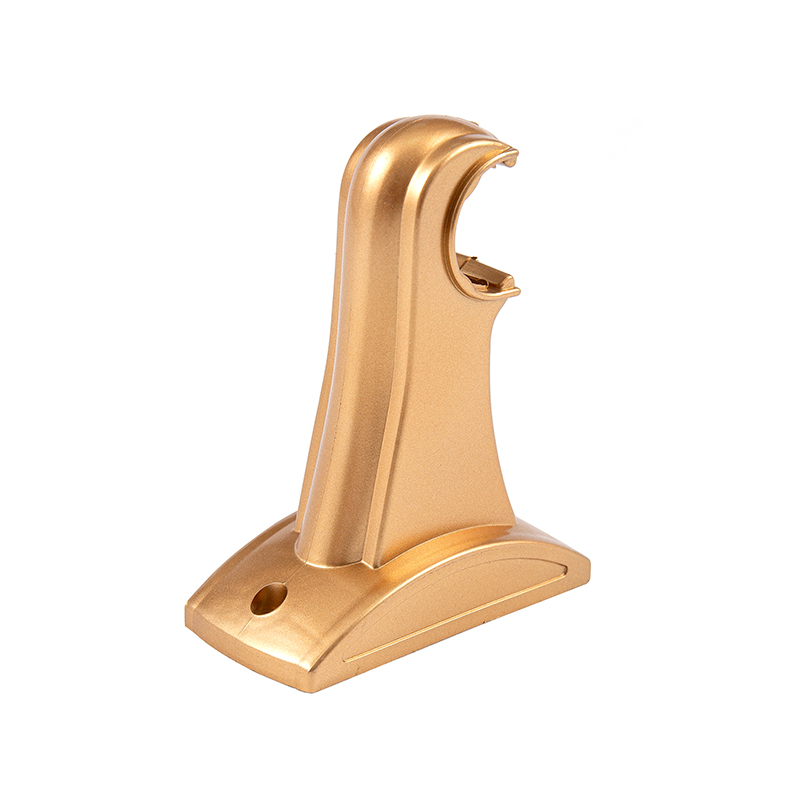
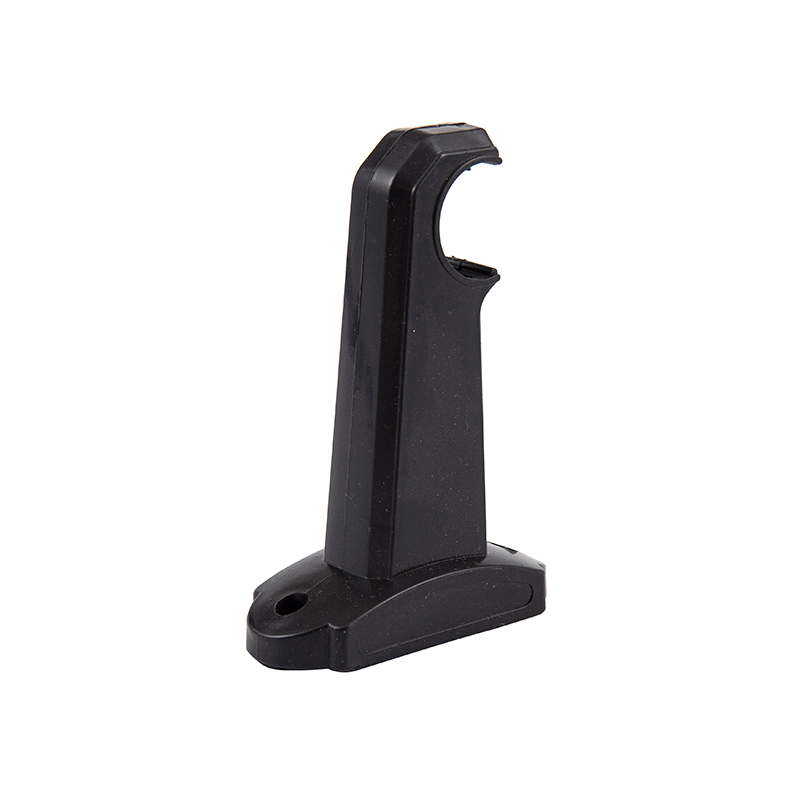
The bracket must hold the rod without crushing it, twisting it, or leaving a gap that lets the rod rock. Bracket fit is usually controlled by the cup, opening, or clamp diameter. A bracket designed for a 25 mm rod may not accept a 25.4 mm rod with a thick coating. A bracket designed for a 28 mm rod may be too loose on a 27.6 mm rod, causing the rod to sit low or lean.
Single brackets hold one rod. Double brackets hold two rods, usually a main curtain and a sheer or a decorative secondary rod. Double brackets add projection and load, so the wall fixing and the rod diameter both matter. A double bracket on a 1 in rod may be adequate for a medium curtain and a sheer. The same double bracket on a 1 1/2 in rod with heavy drapery needs a different anchor plan and possibly a different bracket design.
Return clearance is another diameter-related detail. The curtain needs to sit away from the wall enough to clear the window frame, sill, radiator, or trim. A larger rod diameter often comes with a larger bracket projection, but not always. Check the projection dimension separately. If the curtain rubs the wall, the rod may be the right diameter but the bracket may be the wrong projection.
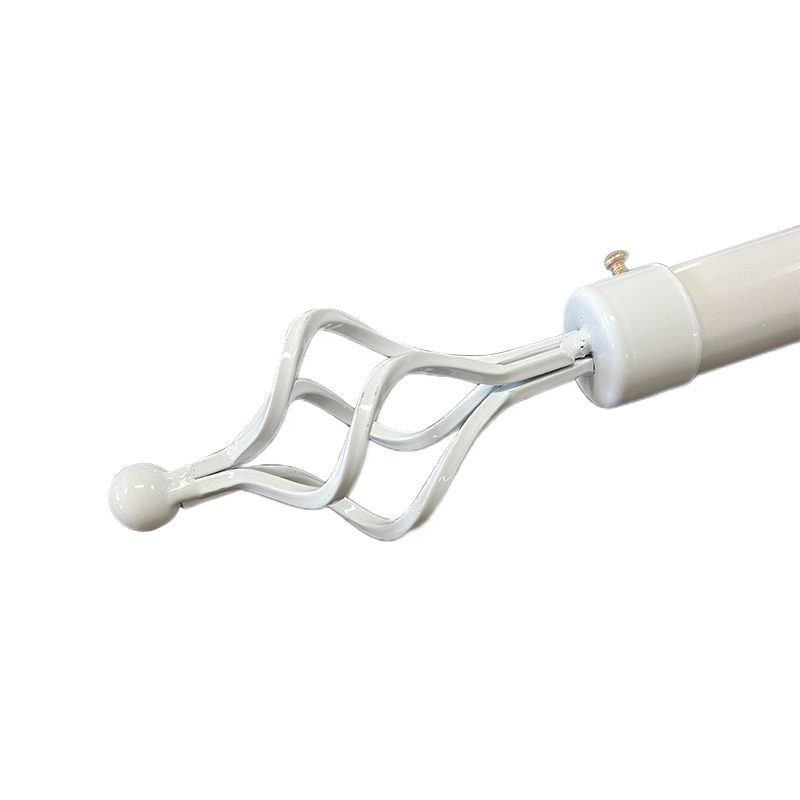
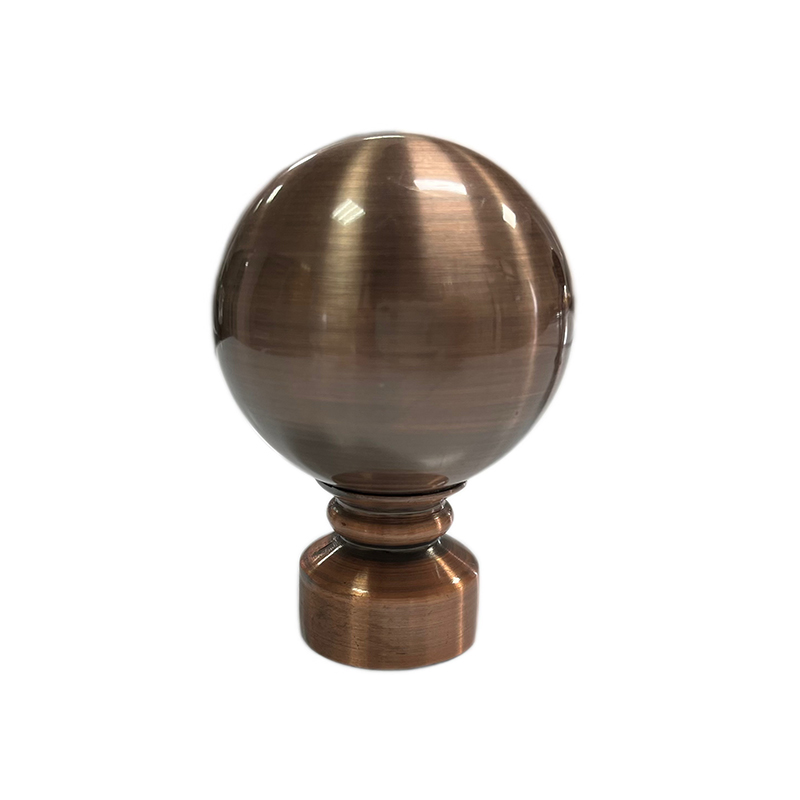
Finial fit is mostly about the connection, not the rod’s load capacity. The finial neck, thread, or socket must match the rod end. A heavy crystal or metal finial can put leverage on a small threaded insert, especially if it is long or top-heavy. For contract orders, test the finial connection with the actual rod end and the actual finial weight. A finial that looks proportional on a 1 in rod may look undersized on a 1 1/2 in rod, and a large finial on a 5/8 in rod can make the whole installation look top-heavy.
Metal double curtain brackets are often used where two rods need to share fixing points, but the bracket opening still has to match both rods. If the main rod is 1 1/8 in and the secondary rod is 3/4 in, confirm that the bracket has two different cup sizes or that the design can accommodate both without shims.
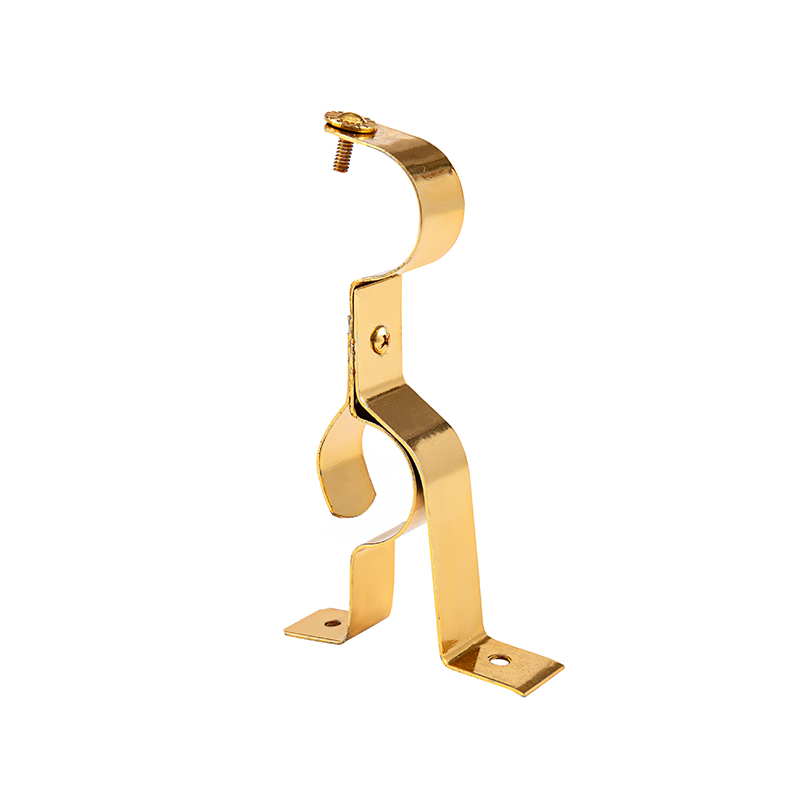 Metal Double Curtain Bracket for Two-Rod SetupsSteel or aluminum double bracket in 26 mm and 35 mm, suited to heavy or layered curtains; confirm each cup opening matches both rods.View Product →
For a clean installation, measure the bracket opening after any coating or plating. Do not assume that the bracket’s nominal size matches the rod’s nominal size. The same word, “1 inch,” can describe a rod, a ring, a bracket, and a finial connection, but each product may use the number differently.
How Diameter Affects Telescoping Rods and Adjustability
Telescoping rods add another layer to curtain rod diameters because they use two or more tubes that slide inside one another. The labeled diameter often refers to the larger outer tube. The inner tube must be smaller so it can slide, which means the rod’s stiffness changes as it is extended. A 1 in telescoping rod may have a 22 mm or 23 mm inner tube, not a full 25.4 mm tube running the entire length.
Overlap is critical. A telescoping rod is strongest when the tubes overlap generously. If the rod is extended until only a short section of the inner tube remains inside the outer tube, the joint becomes a weak point. The rod may sag, rattle, or bend at the overlap. For wide windows, a fixed-length rod or a telescoping rod with a center support is often a better choice than a heavily extended two-tube rod.
Ask for the outer tube diameter, inner tube diameter, wall thickness of each tube, and recommended extension range. The nominal diameter alone does not tell you how the rod behaves at full extension. If the supplier says “adjustable from 1.2 m to 2.1 m,” ask whether that range is a mechanical fit or a recommended load range. A rod may physically extend to 2.1 m and still be unsuitable for heavy curtains at that length.
Telescoping rods are common in retail and residential projects because one SKU can cover several window widths. That convenience can hide diameter inconsistencies. The inner tube may be a different alloy or finish from the outer tube. The joint may have a plastic sleeve that adds thickness. The end cap or finial adapter may reduce the effective rod diameter at the bracket. For B2B orders, inspect the rod at the bracket position, not only at the visible center of the window.
If the project requires a specific visual diameter throughout, a fixed-length rod with concealed joins or a custom-cut rod may be more reliable than a telescoping rod. If adjustability is essential, specify the working diameter at the bracket and the maximum recommended extension for the intended curtain weight.
Material, Finish, and Diameter: Where the Numbers Drift
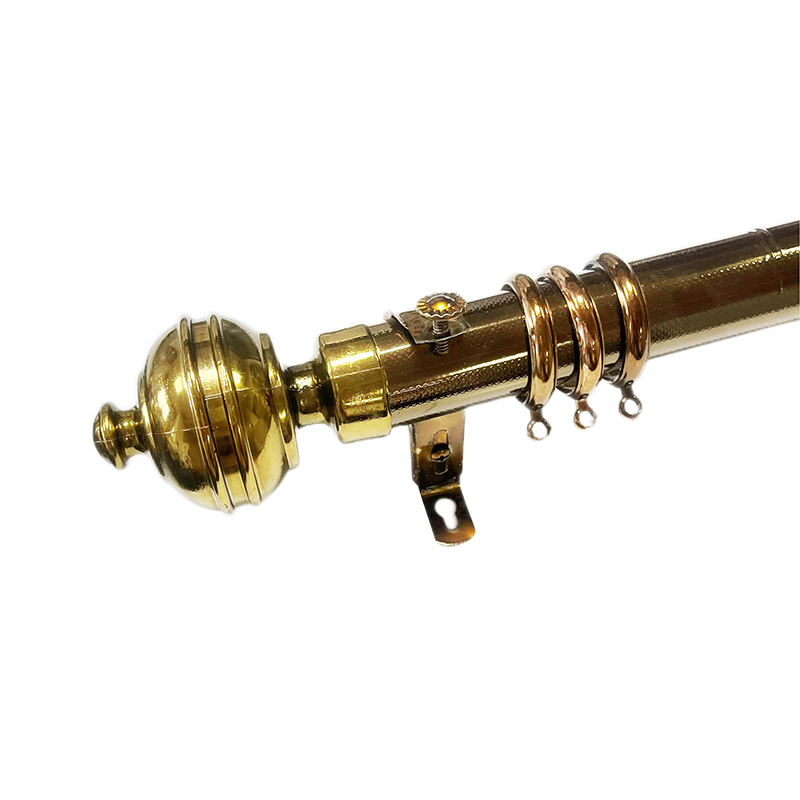
Material and finish change the actual diameter. A bare aluminum rod may measure 25.0 mm. After anodizing, powder coating, or a PVC wrap, it may measure 25.2 mm, 25.5 mm, or more. A painted steel rod may gain a similar amount. Plating is usually thinner than powder coating, but it still affects fit in tight-tolerance assemblies. PVC-wrapped rods can be particularly variable because the wrap thickness, adhesive layer, and surface texture all contribute.
This is why a 28 mm bracket can be tight on a 28 mm PVC-wrapped rod. The bracket may have been designed for a bare 28 mm tube, while the finished rod is closer to 28.5 mm. The same issue appears with rings. A ring that fits a bare sample may drag on the production finish. If the ring has a narrow inner channel or a sharp edge, the finish can be damaged over time.
Material also affects how much deflection is acceptable. Aluminum is lighter and corrosion-resistant, which makes it common for residential and hospitality rods. Steel is stiffer for the same diameter and wall, but it needs a sound coating to resist rust. PVC-wrapped rods can offer decorative surfaces and a softer look, but the wrap adds thickness and can be less dimensionally consistent than metal. The right choice depends on the project, not on a single ranking of materials.
For a broader comparison of aluminum, PVC-wrapped, and iron rods, the site’s material comparison guide is useful background, but keep the diameter discussion separate. Material selection tells you what the rod is made of. Diameter and wall thickness tell you how it fits and how it performs structurally.
Color and finish can also change the perceived diameter. A dark bronze or black rod tends to look visually heavier than a white or silver rod of the same size. A glossy finish reflects light and can make a thin rod look more substantial. A matte PVC wrap can make a large rod look softer and less industrial. These are aesthetic judgments, but they matter in hospitality and residential design, where the hardware is visible even when the curtains are closed.
How to Measure a Rod You Already Have
If you are replacing an existing rod or matching a new order to an installed system, measure the actual hardware rather than relying on the old invoice. Old invoices often use catalog names, and catalog names drift between production runs. Use a caliper for the most reliable result. A tape measure can work for a rough check, but it is easy to read the wrong edge or measure over a decorative feature.
- Remove the finial or end cap so you can access the bare rod end.
- Measure the outer diameter at three points: near each end and near the middle. Record the smallest and largest readings.
- Measure the bracket opening or cup diameter at the point where the rod sits.
- Measure the inner diameter of the curtain ring, not its outer decorative width.
- Check the rod section that passes through the ring. On a shaped or tapered rod, the working diameter may be smaller than the widest point.
- Measure any telescoping overlap and note how much extension is currently used.
- Convert all readings to both millimeters and inches, and note the conversion basis. Use 25.4 mm per inch, not 25 mm per inch.
If you only have a flexible tape, wrap a strip of paper around the rod, mark the overlap, measure the flat length, and divide by 3.1416. This gives an approximate diameter. It is useful for identifying a likely size, but it is not precise enough for ordering rings or brackets. A caliper reading of 25.1 mm to 25.3 mm is more useful than a circumference calculation of “about 1 inch.”
Record the measurement range, not just one number. A rod that measures 25.1 mm at one end and 25.4 mm at the other may be within tolerance, tapered, or out of round. If the range is wider than the supplier’s stated tolerance, ask for clarification before ordering. For a replacement order, send the measured range and photos of the rod end, bracket, and ring. That reduces the chance of a repeat mismatch.
Specifying Diameter for B2B Orders: What to Put in the RFQ
For a trade order, the request for quotation should read like a mini engineering specification. A catalog image is not enough. The supplier needs to know what the rod must fit, how much load it must carry, and how the finished surface affects the dimensions. The following details prevent most diameter-related disputes.
- Nominal size and actual outer diameter: State both. For example, “1 in nominal, 25.4 mm actual, plus or minus 0.15 mm.”
- Tolerance: Give an acceptable range for the finished rod, not only the raw tube. Include the coating or wrap in the tolerance.
- Wall thickness: Specify the minimum wall or a range. A diameter without a wall thickness is incomplete for load comparison.
- Material and temper: Identify the aluminum alloy, steel grade, or PVC construction. Material affects stiffness, corrosion, and weight.
- Finish: State the process and target thickness. Powder coating, plating, anodizing, and PVC wrapping all change the final diameter.
- Working length and span: Give the window or opening width, the rod length, and the bracket spacing. A rod that is adequate at 1.5 m may not be adequate at 3 m.
- Ring inner diameter: Provide the ring ID or the required clearance. Do not rely on “1 inch ring” as a complete specification.
- Bracket opening: State the bracket cup or clamp diameter and the required projection from the wall.
- Finial connection: Specify the thread, socket, or adapter size, especially if the finial is heavy or decorative.
- Telescoping details: For adjustable rods, give the outer and inner tube diameters, overlap requirement, and maximum recommended extension.
- Testing and inspection: Agree on how the diameter will be checked, at what point in production, and what happens if a sample is out of tolerance.
A supplier that can answer these points clearly is easier to manage than one that only sends a picture and a price. The questions are not unusual in the curtain hardware trade; they are the normal details behind a reliable order. The risk is not that a 0.4 mm difference will always matter. The risk is that nobody checks until the rings, brackets, and rods are in the same warehouse and the installation date is fixed.
For mixed orders, build a diameter matrix. List each rod model, its actual outer diameter, its wall thickness, its finish, its matching ring, its matching bracket, and its finial connection. That matrix becomes the reference for purchasing, quality control, and installation. It also makes it easier to substitute one model for another without creating a hidden incompatibility.
Common Mistakes and Risk Signals
Most curtain rod diameter problems are predictable. They appear when a buyer treats a nominal size as a measured size, or when accessories are ordered after the rods without a dimensional check. The following mistakes are worth reviewing before a purchase order is released.
- Assuming all 1-inch rods are interchangeable. A 25 mm rod, a 25.4 mm rod, and a 25.8 mm finished rod may all be called 1 inch, but they fit different rings and brackets.
- Mixing inch and metric without a conversion rule. Using 25 mm as an exact inch equivalent creates a 0.4 mm error before finish tolerance is added.
- Measuring the circumference and calling it diameter. The circumference is about 3.14 times larger. It is a different measurement.
- Ignoring finish thickness. Powder coating, PVC wrap, and plating can push a rod outside a tight bracket or ring fit.
- Buying rings after the rods without checking the ring ID. The ring is the most common point of binding and noise.
- Using a bracket that is too tight or too loose. A tight bracket can scratch the finish. A loose bracket can let the rod rock and load one edge.
- Choosing diameter by appearance alone. A thin rod can look elegant on a small window and sag on a wide one. A large rod can look heavy on a short span.
- Extending a telescoping rod to its limit. The labeled diameter may refer to the outer tube, while the extended joint is the weak point.
- Comparing rods without wall thickness. Two 28 mm rods can have very different stiffness and dent resistance.
- Forgetting the mounting surface. The bracket fixing, not only the rod diameter, determines whether the installation stays on the wall.
A useful risk signal is a supplier who answers diameter questions only with catalog names. If you ask for the actual outer diameter and receive “standard 1 inch,” push for a measurement. If you ask for the ring inner diameter and receive the outer decorative width, clarify. If you ask for wall thickness and receive “high quality,” ask again. These are not hostile questions. They are the normal checks that separate a repeatable order from a sample that happened to work once.
A Practical Selection Framework
Start with the curtain load and the span, then work outward to the ring, bracket, and visual scale. This order prevents the common mistake of choosing a decorative rod first and discovering later that the rings do not fit or the brackets cannot carry the curtain.
Step 1: Estimate the load. A sheer curtain on a small window is a light load. A lined blackout curtain with interlining and a weighted hem is a heavier load. For contract work, ask for the curtain weight per panel or per meter. If the weight is unknown, use a conservative diameter and support spacing.
Step 2: Check the span. A short span with two end brackets is easier to support than a long span with the same rod. For wide openings, plan for a center bracket or an intermediate support. The rod diameter and the bracket spacing should be considered together. A 1 in rod with three brackets can be more stable than a 1 1/4 in rod with two brackets on a wide, heavy installation.
Step 3: Match the ring and bracket. Measure the ring inner diameter and the bracket opening. Confirm that the finished rod will pass through the ring and sit correctly in the bracket. If the rod is PVC-wrapped or heavily coated, use the finished diameter, not the bare tube diameter.
Step 4: Check the visual scale. A 5/8 in rod can look delicate on a small window and undersized on a tall ceiling. A 1 1/2 in rod can look substantial in a large room and overpower a narrow window. Finial size, bracket projection, and fabric fullness affect the balance. If the project has a designer, confirm the intended visual weight before locking the diameter.
Step 5: Confirm material and finish. Aluminum, steel, and PVC-wrapped rods have different stiffness, corrosion behavior, and finish tolerance. A material that works in a dry interior may not be the best choice for a humid climate or a coastal project. The finish should be specified with the diameter tolerance, not after it.
As a practical example, a 2.4 m residential window with lined cotton curtains may work well with a 1 in rod and a center bracket. A 3.6 m opening with heavy blackout curtains may call for a 1 1/4 in or 1 1/2 in rod with multiple supports. A small bedroom window with sheers may be adequately served by a 5/8 in or 3/4 in rod. These are starting points. The final choice should reflect the actual curtain weight, fixing surface, and ring and bracket dimensions.
Curtain rod diameters are small numbers with large consequences. They determine whether a ring glides or binds, whether a bracket grips or rattles, and whether a long span looks controlled or starts to sag. The safe approach is to stop treating the diameter as a single catalog word and start treating it as a finished dimensional specification.
Measure the actual outer diameter, confirm the tolerance after finish, check the ring inner diameter and bracket opening, and compare the wall thickness when two rods share the same nominal size. Use the common sizes as a shortlist, not a guarantee. A 1 in rod is a sensible default for many residential projects, but the right choice may be 3/4 in for a light curtain, 1 1/8 in for a heavier drape, or 1 1/2 in for a wide commercial span.
When you order, put the diameter, tolerance, material, wall thickness, finish, ring ID, bracket opening, and support spacing in the same document. That is the difference between a rod that fits the first time and a shipment that creates a second order before the curtains ever go up.