English
 Français
 عربى

Start with the bracket, not the finial. A 96-inch window with lined blackout drapes can sag on a 3/4-inch rod even when the rod looks substantial in the package; the same span with sheers may perform well on a 1-inch rod if the brackets are placed correctly. For most residential projects, diameter is a load-and-span decision, not a decorative afterthought.
A useful default is this: 3/4 inch for light sheers and short spans, 1 inch for typical medium-weight curtains, 1 1/8 inch for heavy drapes and wider windows, and 1 1/4 to 2 inches for very wide, heavily lined, or commercial installations. Those are starting points, not building codes. The curtain weight, fabric lining, bracket placement, wall substrate, and rod material determine whether a given diameter is adequate.
The Short Answer: Match Diameter to Load, Span, and Curtain Weight
Diameter controls stiffness, ring clearance, bracket fit, and visual scale. A rod that is one size too small is more likely to bow, vibrate when curtains are opened, or pull loose at the brackets. A rod that is one size too large can look out of scale in a small room and may require larger rings, stronger brackets, and more wall space. The practical rule is to size for the heaviest curtain the rod will carry, not the lightest one in the room.
| Rod diameter | Typical curtain weight | Typical span | Common use | Purchase check |
|---|---|---|---|---|
| 3/4 inch (19 mm) | Sheers, voile, lightweight unlined curtains | 36 to 48 inches | Small bedrooms, secondary windows, layered sheers | Confirm ring inner diameter and bracket opening |
| 1 inch (25 mm) | Medium cotton, linen, light blackout | 48 to 72 inches | Most living rooms and bedrooms | Check wall anchors and center support for wider spans |
| 1 1/8 inch (28 to 29 mm) | Heavy lined drapes, medium blackout | 72 to 96 inches | Large windows, dining rooms, primary bedrooms | Use brackets rated for the load; verify finial shank size |
| 1 1/4 to 1 1/2 inch (32 to 38 mm) | Heavy blackout, wide lined panels | 96 to 120 inches | High ceilings, wide openings, hospitality rooms | Plan a center bracket or double bracket support |
| 2 inch (50 mm) | Very heavy drapery, commercial treatments | Over 120 inches | Statement windows, lobbies, multi-unit projects | Specify bracket projection, ring clearance, and anchor type |
Treat the table as a screening tool. A 72-inch span with lightweight sheers may be fine on a 1-inch rod, while a 72-inch span with interlined blackout drapes may need 1 1/8 inch or more. The difference comes from sustained load, repeated opening and closing, and how far the curtain hangs from the wall.
Why a Larger Diameter Resists Sag and Bounce
A curtain rod behaves like a shallow beam. Its resistance to bending rises disproportionately with diameter, so a modest increase in tube size can make a noticeable difference in stiffness. That is why a 1 1/8-inch rod often feels much more stable than a 3/4-inch rod on the same span, even when both are described as metal rods.
Wall thickness matters as much as outside diameter. A thin-wall 1-inch aluminum rod may flex more than a thicker-wall 1-inch steel rod, and a decorative PVC-wrapped rod may have a different core than its outer appearance suggests. For heavy drapes, ask for the actual tube material, wall thickness, and load rating rather than relying on the nominal diameter alone. A purchase order that says only “1-inch rod” is incomplete for any project above light residential use.
How Rod Material Changes the Diameter You Need
Aluminum is light, corrosion-resistant, and common in clean modern profiles. It can be a good match for 3/4-inch to 1 1/8-inch residential rods when the wall thickness is appropriate. Iron and steel are heavier and often chosen for wide spans or industrial-style treatments, but they require sound anchors and compatible brackets. PVC-wrapped rods combine a decorative skin with a core tube; the core, not the wrap, carries the load. A practical comparison of these material families is useful before fixing a diameter, because two rods with the same outside diameter can behave differently under load.
For a broader material comparison, see this curtain rod guide covering types, installation tips, and selection criteria. It helps separate appearance from structure, which is the main risk when buyers choose by finish alone.
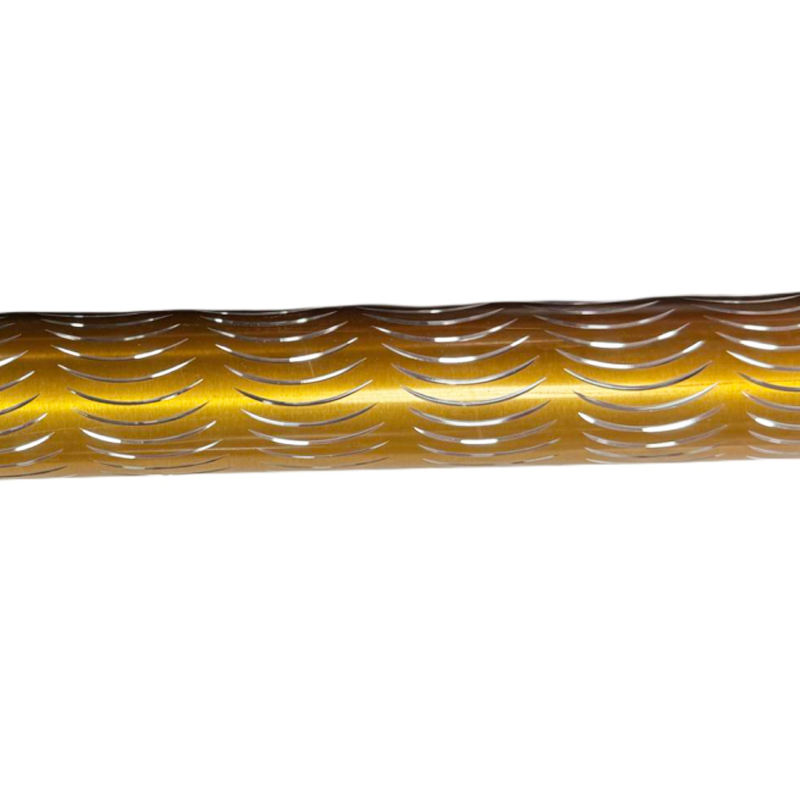 Dual Crescent Aluminum Curtain Rod for Large WindowsCustom aluminum rod for wide or panoramic windows, with dual-keel structure and pre-tension installation to reduce sag across long spans.View Product →
Measuring the Span, Overhang, and Bracket Placement
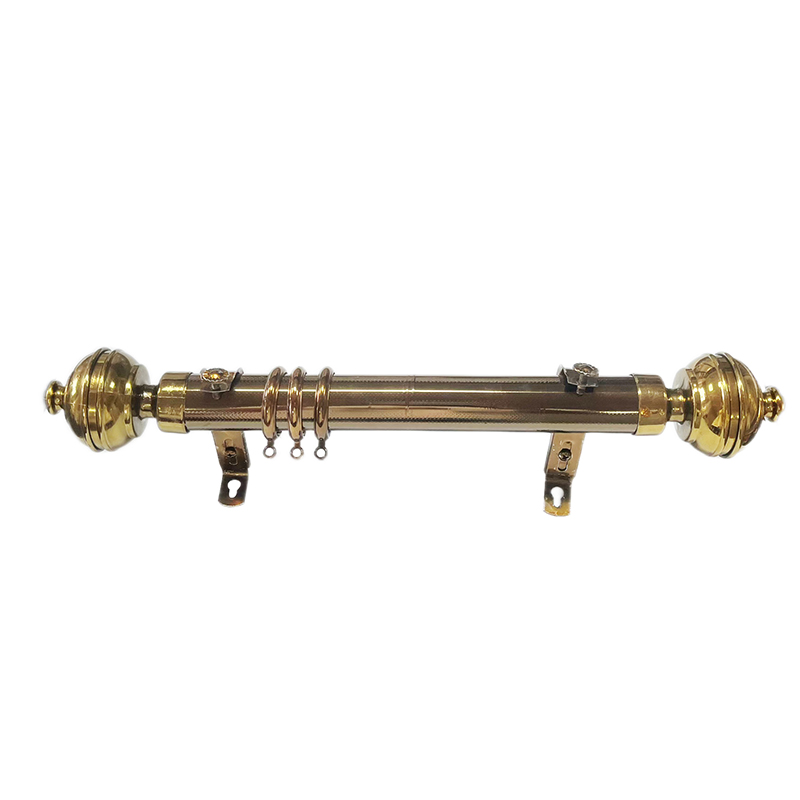
Measure the full window opening first, then decide how much overhang you want on each side. A common residential allowance is 4 to 8 inches beyond the window trim on each side so the curtains can stack clear of the glass. For wide windows, the rod length may be less important than bracket spacing: a long rod with brackets only at the ends can still sag in the middle.
- Measure the window width and add the planned overhang on both sides.
- Measure the curtain panel weight after any lining or interlining is installed.
- Place brackets about 4 to 6 inches from each end, then add a center support when the span exceeds the rod maker’s recommendation.
- Check the bracket projection so the curtain clears the sill, radiator, or window handle.
- Confirm the wall substrate; drywall anchors, studs, and masonry require different fasteners.
A rod that is strong enough but poorly placed will still fail. The diameter guide only works when the brackets are fixed securely and spaced to share the load.
Rings, Brackets, and Finials Must Match the Rod Diameter
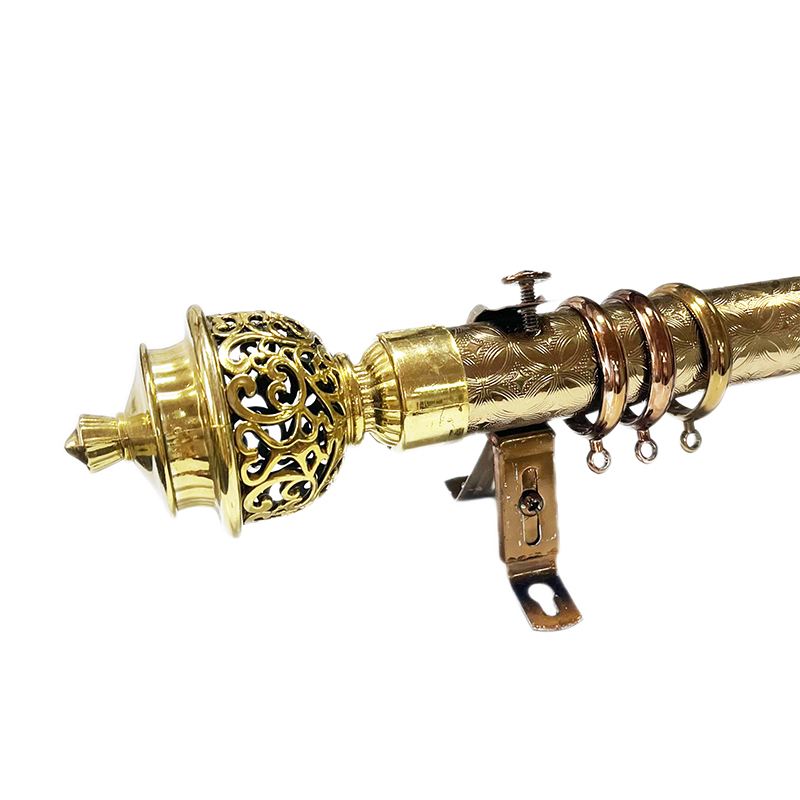
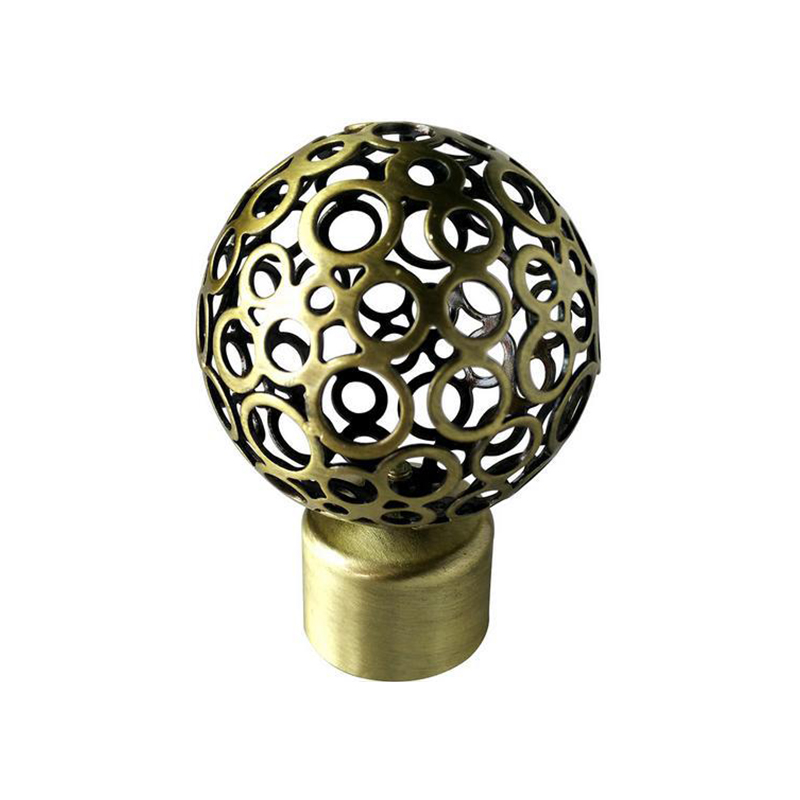
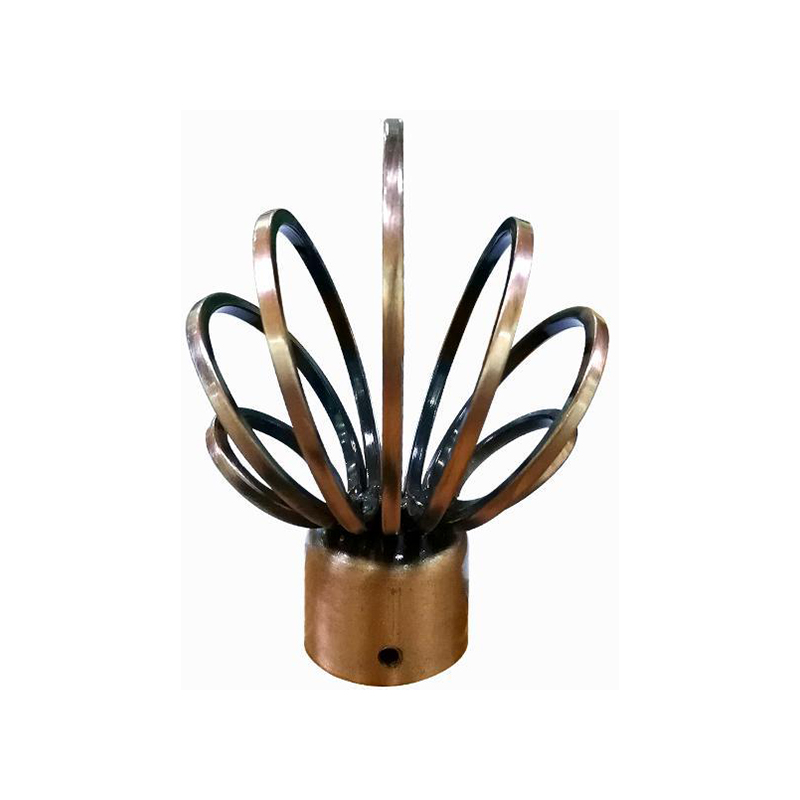
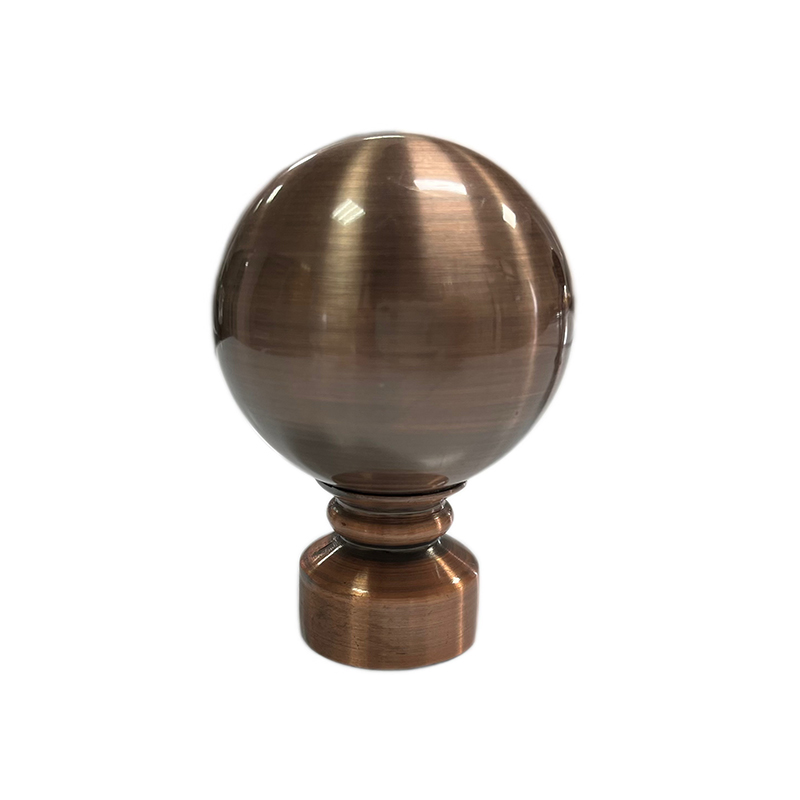
Ring clearance is a frequent source of returns. A ring that is too tight will scrape the finish or refuse to pass over a bracket seam; a ring that is too loose will rattle and hang at an angle. Check the ring inner diameter against the rod outer diameter, then allow for the bracket and any telescoping overlap. Finials also depend on diameter: a heavy 2-inch finial on a 3/4-inch rod can look out of scale, while a small finial on a large rod can appear undersized.
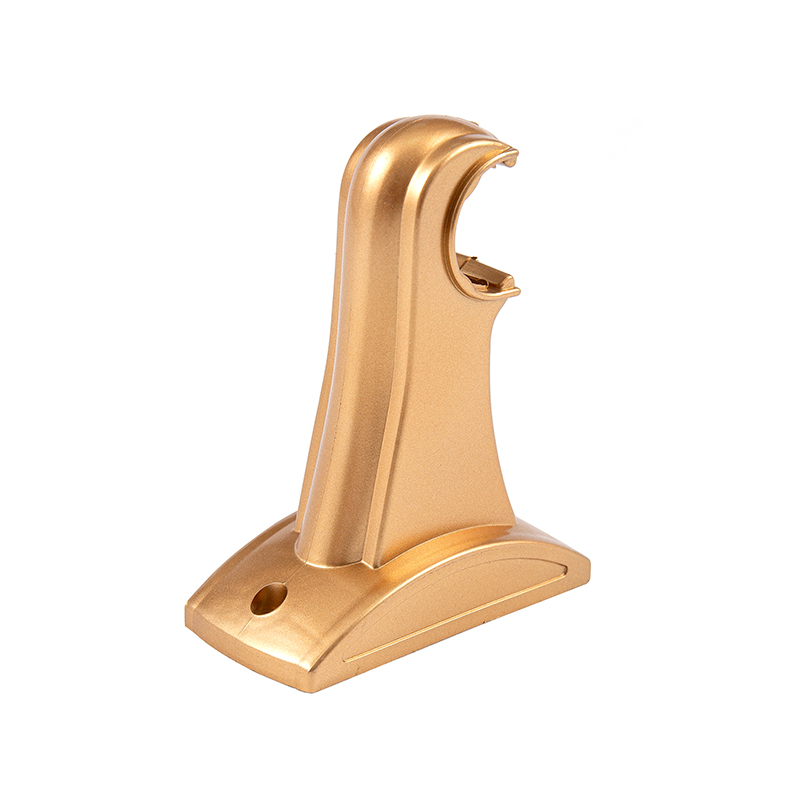
For heavy spans, a double bracket gives two load paths and can support a main rod plus a secondary rod or valance. The bracket opening, backplate, and screw count should match the rod diameter and the expected curtain weight.
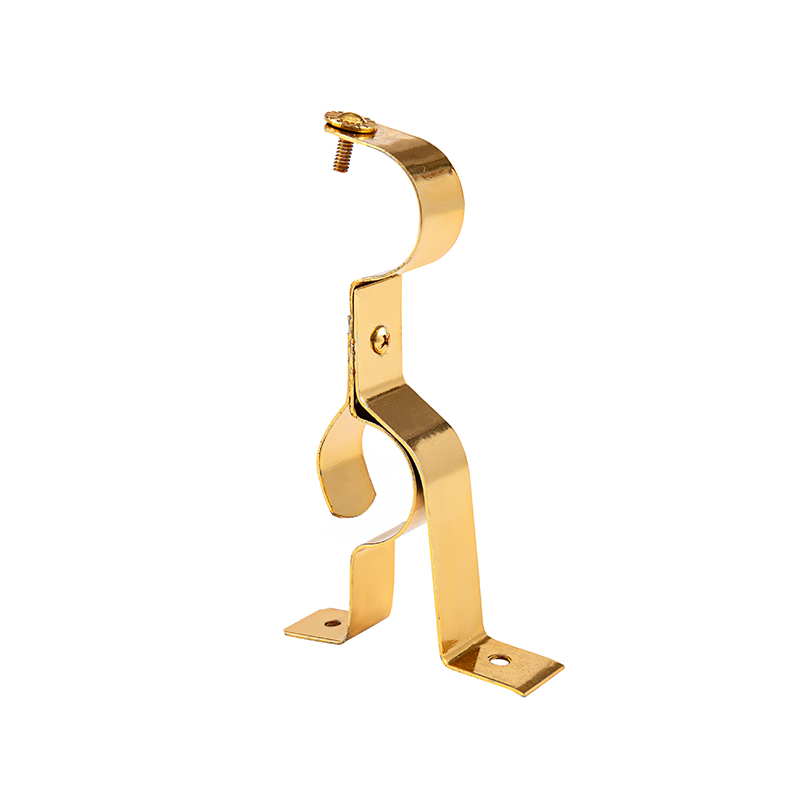 Metal Double Curtain Bracket for Heavy RodsDouble bracket gives two load paths for heavy or layered curtains, with 26 mm and 35 mm sizes and corrosion-resistant metal construction.View Product →
Common Diameter Mistakes and Their Practical Consequences
Most diameter failures are predictable. They happen when a buyer chooses by visual weight, ignores lining, or assumes that a telescoping rod is as rigid at full extension as it is when collapsed. The consequences range from a gentle bow that ruins the drape line to a bracket pulling out of drywall.
- Choosing a 2-inch rod for appearance in a small room, then finding that the rings and finials overwhelm the window.
- Using a 3/4-inch rod for lined blackout panels because the fabric package looked light in the showroom.
- Placing brackets too far from the ends, which increases flex even on an adequate diameter.
- Mismatching ring inner diameter and rod outer diameter, causing noise, drag, or finish wear.
- Ignoring telescoping overlap; the joint is often the weakest point on an extended rod.
- Using drywall anchors for heavy drapes without checking the anchor rating and wall condition.
For adjustable iron rods, the extension joint and wall thickness deserve particular attention. A twisted or telescoping design can be a good fit for changing window widths, but the diameter should be selected for the fully extended length, not the collapsed length.
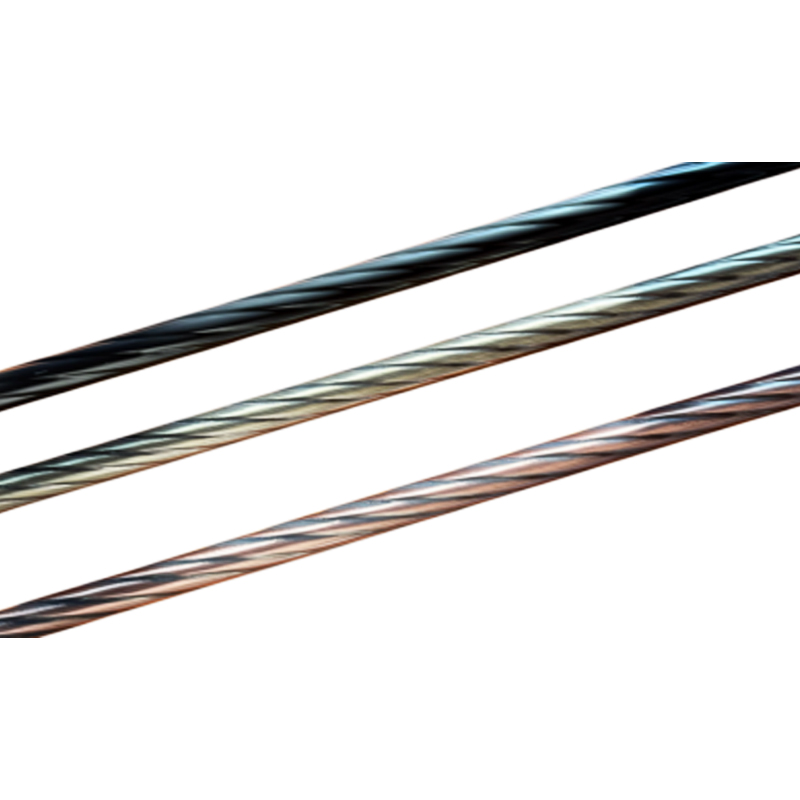 Twisted Iron Telescoping Curtain Rod for Irregular WindowsTool-free adjustable steel rod with spring locks and non-slip tips, suited to arched or irregular windows and single- or double-layer curtains.View Product →
A Simple Buying Checklist for Residential and B2B Buyers
For a single room, the checklist is short: curtain weight, window span, bracket placement, ring fit, and wall substrate. For wholesale or project purchasing, add measurable tolerances and compatibility data to the purchase order. “1-inch rod” is not a specification. State the nominal outside diameter, acceptable tolerance, tube material, wall thickness, finish, ring clearance, bracket projection, and packaging quantity.
- Confirm whether the stated size is outside diameter or a trade name.
- Ask for the maximum recommended span and curtain weight per bracket.
- Check that rings, brackets, and finials are listed by compatible rod diameter.
- Request samples from the same production batch when finish matching matters.
- Verify that telescoping sections overlap enough to maintain stiffness.
- For export orders, confirm labeling, spare parts, and carton quantities before production.
A measured specification protects both the installer and the buyer. It also makes it easier to compare quotations that use different nominal sizes but similar descriptions.
Installation and Handling Around Diameter
Drill pilot holes that match the screw size, and avoid over-tightening brackets on soft wall materials. On masonry, use the correct plug and bit diameter; on drywall, locate studs wherever possible. When lifting a long, heavy rod, support it at the center before locking the brackets so the tube does not flex sharply at the joints.
If the rod must be cut, protect the finish and deburr the cut end before fitting the finial or end cap. A rough cut can damage rings and make the rod feel defective even when the diameter is correct. For wide rods, two people are safer than one; a dropped 2-inch rod can damage the wall, the floor, or the bracket backplates.
Care, Adjustment, and Long-Term Performance
Check bracket screws after the first week, then once or twice a year. Curtains become heavier when linings settle or when seasonal fabrics are added, so a setup that felt stable at installation may need a center bracket later. Clean finishes with a soft dry cloth; abrasive cleaners can remove the protective layer and make rings drag.
Listen for new sounds. A slight click at a bracket, a scrape at a ring, or a visible bow under load is an early warning. Address it before the curtain is opened daily for months, because repeated movement concentrates stress at the same points. The right diameter buys margin; maintenance preserves it.
Final Decision Rules for a Diameter Guide
Use the lightest curtain you expect to hang only as a lower bound. Size for the heaviest panel, the longest span, and the weakest bracket location. If the calculation lands between two sizes, move up when the curtains are lined, the span is near the limit, or the brackets cannot be placed near the ends. Move down only when the curtain is genuinely light and the wall support is sound.
- Light sheers, short span: 3/4 inch is often enough.
- Medium curtains, normal residential span: 1 inch is the practical default.
- Heavy drapes or wider spans: 1 1/8 inch or larger.
- Very wide or commercial treatments: 1 1/4 to 2 inches with engineered bracket support.
The best curtain rod diameter guide is not a single number. It is a short chain of evidence: curtain weight, measured span, material and wall thickness, bracket placement, and compatible rings and finials. When those facts line up, the rod looks appropriate and behaves quietly for years.
Before ordering, write the diameter, material, wall thickness, span limit, ring clearance, and bracket type into one specification line. That single line prevents most sagging rods, mismatched rings, and project delays, whether the buyer is furnishing one bedroom or specifying a multi-unit installation.