English
 Français
 عربى
عربى
Sizes of Curtain Rods and Standard Dimension Specifications
Curtain rod sizes range from compact 28 inch rods suitable for small bathroom windows through full wall spanning 120 inch rods accommodating large residential living rooms and commercial applications, with standard sizing increments enabling selection of optimal dimensions matching diverse window configurations and aesthetic requirements. Understanding available size options and selection methodology ensures proper fit preventing installation complications and achieving desired aesthetic appearance enhancing interior decoration schemes. Most residential applications utilize rods between 48 and 96 inches accommodating typical window dimensions found in contemporary homes, while commercial and hospitality applications frequently employ 84 to 120 inch rods spanning full wall dimensions.
Window Measurement and Rod Selection Methodology
Proper curtain rod sizing requires accurate window measurement measuring from inside jamb to inside jamb for inside mount installations or full wall width for outside mount applications accounting for desired curtain overlap providing complete light blocking capability. Standard practice recommends extending rod 8 to 12 inches beyond window frame on each side for outside mount installations enabling full window coverage and light exclusion, or selecting inside mount rod length matching inside jamb dimension precisely for streamlined aesthetic appearance. Measurement errors cause improper fit and aesthetic defects requiring reinstallation and additional expense.
Standard Commercial Rod Sizes and Specifications
Commercial grade curtain rods typically offered in 36, 48, 60, 72, 84, 96, 108, and 120 inch lengths accommodating diverse commercial window sizes including office buildings, hotels, restaurants, and retail facilities where standardized sizes simplify procurement and installation procedures. Commercial specifications often include reinforced construction supporting heavier drapery loads and extended use frequency typical of hospitality and institutional applications.
Heavy Duty and Specialty Size Offerings
Heavy duty curtain rods rated for curtain weights between 20 and 50 pounds available in standard sizes with reinforced brackets and support structures accommodating multiple layers of blackout drapery or thermal lined curtains typically installed in media rooms, studios, and commercial applications. Specialty sizes including 30, 42, 54, 66, 78, 90, 102, 114 inches bridge gaps between standard offerings providing optimal fit for non standard window dimensions.
| Rod Length | Measurement Range | Typical Application | Weight Capacity |
|---|---|---|---|
| 28 to 36 inches | Compact installations | Small bathrooms, cabins | 5 to 10 pounds |
| 48 to 60 inches | Small to medium windows | Bedrooms, living rooms | 10 to 20 pounds |
| 72 to 96 inches | Large windows | Standard residential use | 20 to 35 pounds |
| 108 to 120 inches | Full wall span | Commercial, large homes | 35 to 50 pounds |
Curved Curtain Rod Technology and Bay Window Applications
Curved curtain rods represent specialized hardware solutions enabling seamless drapery coverage across bay windows, bow windows, and curved wall installations where conventional straight rods prove infeasible, utilizing multiple connected segments or continuous flexible construction accommodating window curvature while maintaining aesthetic appearance and functional light blocking capability. Bay window curtain solutions increasingly employ curved rod technology providing elegant alternative to multiple straight rod installations delivering superior aesthetic appeal and superior functionality. Curved rods typically span 90 to 180 degrees depending on window configuration with segment radius options accommodating various bay window depths enabling optimal fit across diverse architectural styles.
Curved Rod Construction and Material Options
Curved curtain rods available in segmented construction utilizing 3 to 5 connected curved segments joined by connector pieces enabling assembly to match specific bay window radius, or continuous flexible rod construction enabling infinite angle adjustment accommodating varied curve requirements. Material options including decorative metal alloys, wood composite materials, and contemporary metallic finishes provide aesthetic variety matching diverse interior decoration schemes.
Bay Window Rod Measurements and Installation Methodology
Proper curved rod selection requires measuring overall bay window span and determining internal radius through measurement or calculation enabling selection of curved rod system matching specific window geometry. Typical bay windows spanning 36 to 60 inches require curved radius between 18 to 24 inches accommodated by standard curved rod systems, while deeper bays exceeding 60 inch span require larger radius curved systems or custom fabrication. Incorrect radius selection causes poor fit and requires reinstallation and additional expense.
Corner Connector Options and Flexible Rod Systems
Segmented curved rod systems utilizing corner connectors enabling connected segments to follow bay window contour provide flexibility accommodating varied angle requirements from gentle curves through sharp 90 degree corners. Flexible rod systems utilizing continuous bendable material enable custom shaping accommodating unique window configurations and providing seamless aesthetic appearance without visible connectors.
Decorative Finishes and Aesthetic Considerations
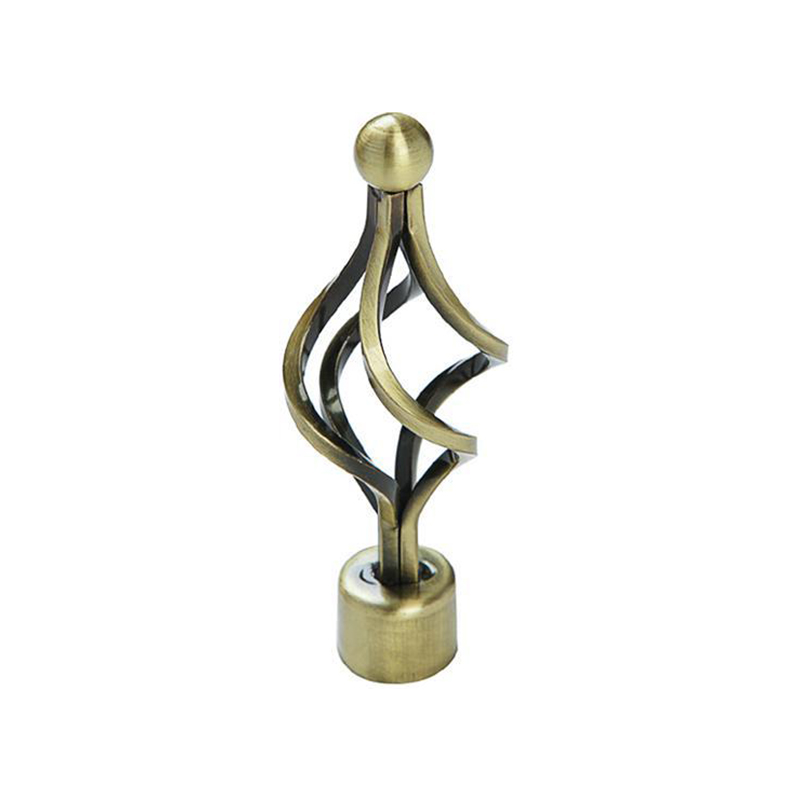
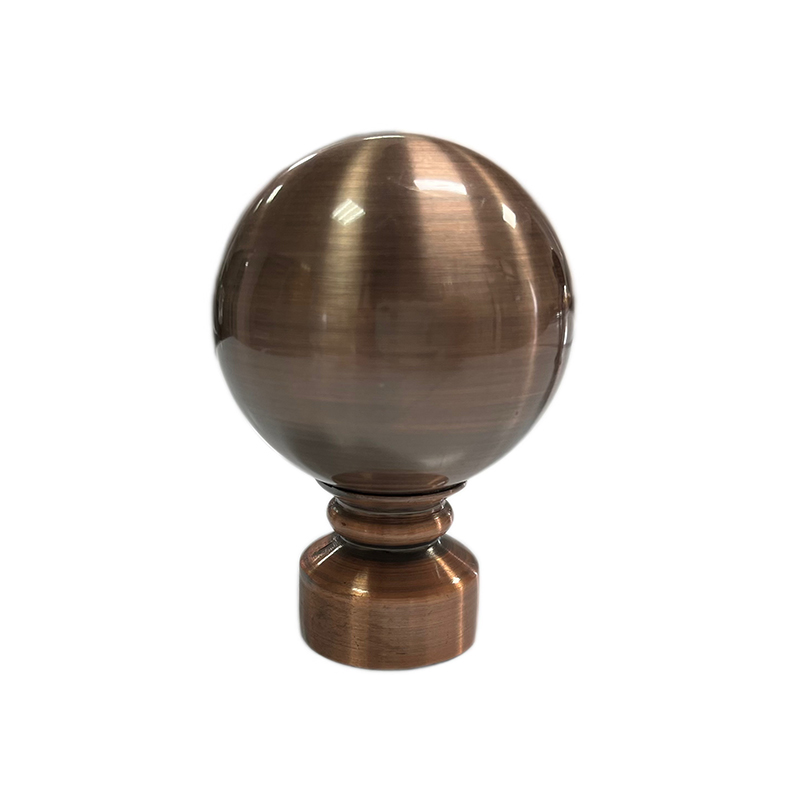
Curved rods available in matching finish options including oil rubbed bronze, brushed nickel, chrome plated, and decorative wood stains enabling coordination with room decoration schemes and matching straight rod finishes for seamless installation across multiple windows. End caps and decorative finials matching rod finish complete aesthetic appearance.
Standard Rod Diameter and Weight Capacity Specifications
Curtain rod diameter ranging from 5/8 inch to 1 3/8 inches influences aesthetic appearance and weight carrying capability with thicker rods supporting heavier drapery loads while providing more substantial visual presence in interior spaces. Rod diameter selection balances functional capacity with aesthetic preferences.
Common Rod Diameters and Applications
Lightweight residential applications typically utilize 5/8 inch diameter rods supporting curtain weights between 5 and 15 pounds, while standard residential applications employ 3/4 inch diameter rods accommodating weights between 15 and 30 pounds, and heavy duty applications utilize 1 inch or larger diameter rods supporting weights exceeding 30 pounds. Decorative rods emphasizing aesthetic appearance often utilize smaller diameters while functional heavy duty applications prioritize larger diameters ensuring adequate strength.
Weight Capacity and Load Distribution
Rod weight capacity determined by material composition, diameter, mounting bracket strength, and wall fastener anchoring, with typical residential rods supporting distributed loads between 20 and 50 pounds per rod requiring proper bracket spacing preventing excessive deflection and sagging. Proper bracket placement at intervals not exceeding 24 inches prevents excessive rod deflection and ensures long term durability and safe operation. Undersized rods or insufficient bracket support cause sagging and failure requiring replacement.
Material Composition and Durability Factors
Curtain rods available in materials including wood, metal alloys, and composite materials with metal rods providing superior durability and longevity compared to wood alternatives susceptible to moisture damage and warping. Aluminum and steel construction offering 10 to 25 year service life compared to 3 to 7 years typical of wood rod alternatives.
Inside Mount versus Outside Mount Rod Selection
Inside mount curtain rods installed within window frame opening provide streamlined aesthetic suitable for contemporary and minimalist interiors, while outside mount rods extending beyond window frame on walls provide maximum light control and traditional formal appearance suitable for diverse decorating styles.
Inside Mount Rod Sizing and Installation
Inside mount installations require rod length matching inside jamb dimension precisely preventing installation complications and aesthetic defects from improper fit. Rod length typically 1/4 to 1/2 inch shorter than actual jamb dimension accommodating bracket clearance enabling smooth installation and operation. Inside mount installation suits windows with adequate frame depth and surrounding wall clearance.
Outside Mount Advantages and Extension Requirements
Outside mount installations extending 8 to 12 inches beyond window frame on each side provide maximum light blocking capability and dramatic aesthetic appearance suitable for formal interiors and large windows. Extended installation requires wall space availability surrounding window opening and sufficient clear wall area for bracket mounting.
Frame Type Compatibility and Bracket Selection
Installation suitability varies by window frame type with inside mount suitable for deep frame profiles providing bracket clearance space, while outside mount accommodates shallow or non existent frame profiles relying on wall mounted brackets. Proper bracket selection ensures adequate support and prevents damage to window frames or wall surfaces.
Rod Material Options and Finish Selections
Curtain rod material selection between wood, metal alloys, and composite materials influences aesthetic appearance, durability, cost, and maintenance requirements affecting long term satisfaction and performance.
Metal Rod Advantages and Finishes
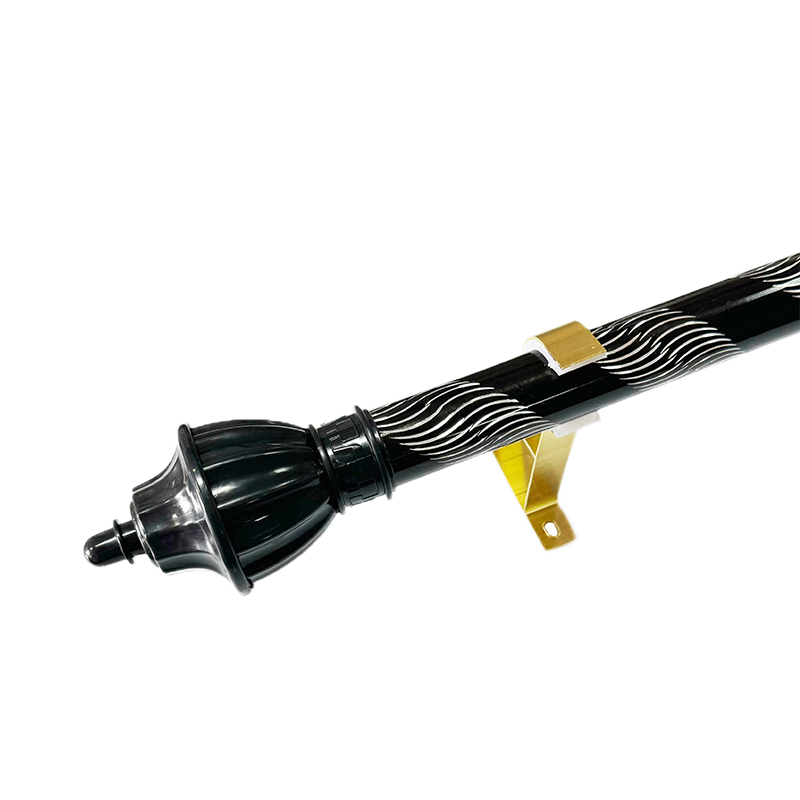
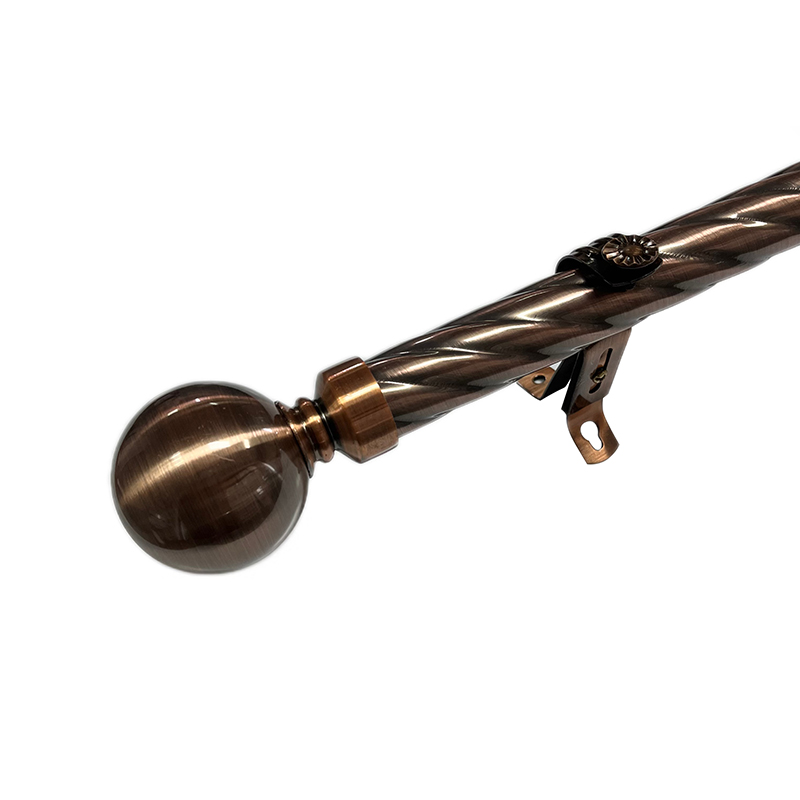
Metal rods including aluminum, steel, and decorative alloy compositions provide superior durability, weight capacity, and aesthetic versatility with finish options including chrome plating, brushed nickel, oil rubbed bronze, and specialty metallic coatings enabling coordination with furniture and fixtures. Metal construction enables fine detail finials and decorative elements.
Wood Rod Options and Aesthetic Appeal
Wood rods available in species including oak, pine, mahogany, and walnut with natural wood finishes or painted surfaces providing warm aesthetic and traditional elegance suitable for classic and rustic interiors. Wood construction susceptible to moisture damage, warping, and termite damage requiring protective finishes and careful installation in humid environments.
Composite Rod Construction and Maintenance
Engineered composite materials combining wood fibers with polymer binders provide wood appearance with superior durability and moisture resistance reducing maintenance requirements compared to traditional wood construction. Composite rods support heavier loads than wood while providing aesthetic warmth of natural materials.
Finish Coordination and Interior Design Integration
Rod finish selection affects overall interior appearance with metallic finishes suiting contemporary and transitional interiors while warm wood tones coordinate with traditional and rustic schemes. Multiple finish options enable matching with existing hardware, fixtures, and furniture providing cohesive design integration.
Bracket Types and Support System Selection
Curtain rod bracket selection fundamentally influences installation quality, aesthetic appearance, and long term reliability requiring careful evaluation of bracket strength, finish matching, and installation compatibility.
Standard Bracket Designs and Load Rating
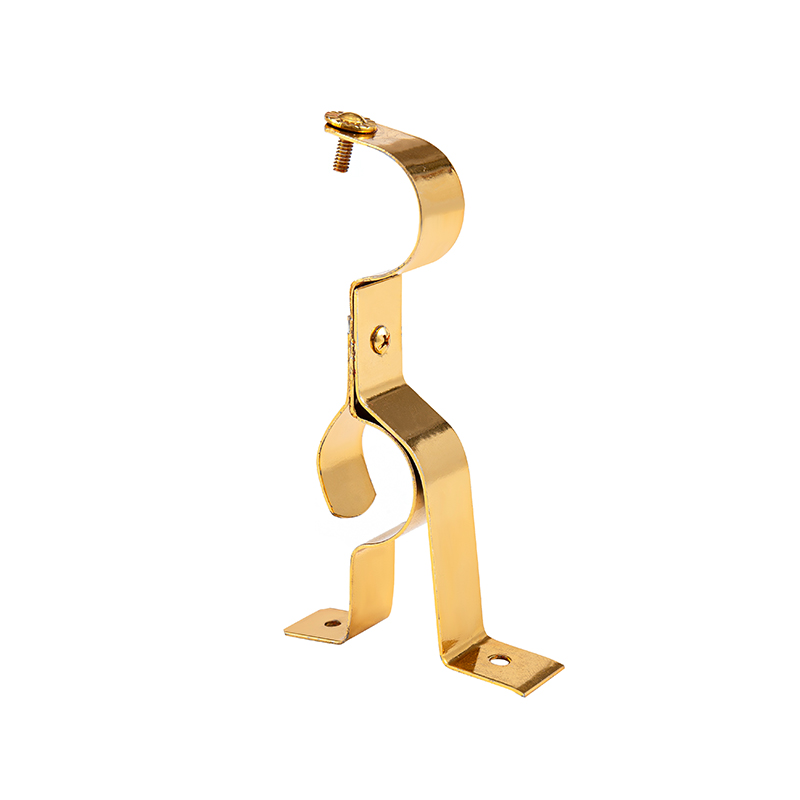
Residential brackets typically rated for 20 to 35 pound loads with standard designs including center bracket support for mid span additional support on longer installations, while heavy duty brackets rated for 50 pound or greater loads accommodate substantial curtain weights and commercial applications. Bracket material including cast iron, steel, and aluminum influences strength and appearance.
Decorative Bracket Options and Visual Impact
Decorative brackets featuring ornamental designs, crown details, and complementary finishes enhance visual appeal and contribute to overall interior design aesthetic becoming design focal points rather than purely functional components. Quality decorative brackets command premium pricing but provide superior aesthetic impact.
Installation Requirements and Wall Fastening
Proper installation requires fastening brackets to studs or utilizing heavy duty wall anchors accommodating loads distributed across bracket assembly preventing pull out failure and wall damage. Bracket spacing at intervals not exceeding 24 inches prevents excessive rod deflection and ensures safe reliable operation. Inadequate fastening causes failure and potential safety hazard.
Measurement Techniques and Installation Planning
Accurate measurement and careful installation planning prevent costly mistakes ensuring optimal fit and aesthetic appearance achieving desired results.
Window Measurement Procedures
Inside mount measurement requires measuring inside jamb dimension at top, middle, and bottom ensuring frame is square and selecting shortest measurement for rod length accommodation. Outside mount measurement requires measuring desired rod span on wall accounting for light control overlap extending 8 to 12 inches beyond window frame. Multiple measurements ensure accuracy and accommodate window frame irregularities.
Bracket Placement and Spacing Guidelines
Standard practice positions brackets 8 to 10 inches from window edges with additional center support brackets on installations exceeding 48 inches preventing mid span deflection and sagging. Proper spacing distributes load preventing excessive stress concentration.
Height Determination and Visual Balance
Rod mounting height affects visual appearance with standard practice positioning rods 4 to 6 inches above window frame creating visual balance and enabling full curtain deployment without blocking upper window area. Lower mounting emphasizes window opening while higher mounting emphasizes wall space creating varied aesthetic effects.
Specialty Curtain Rod Options and Advanced Solutions
Beyond standard straight and curved options specialty curtain rod systems address unique installation requirements and aesthetic preferences enabling customized solutions for diverse interior applications.
Motorized and Automated Curtain Systems
Contemporary motorized curtain rod systems incorporating electric motors and remote control operation enable automated curtain operation providing convenience and accessibility benefits particularly valuable for elderly occupants or accessibility requirements. Integration with smart home systems enables voice control and scheduled operation.
Tension Rod Applications and Rental Friendly Solutions
Tension rods utilizing spring loaded ends mounting within window frame openings without drilling or fastening provide rental friendly solutions and temporary installations. Tension rods available in sizes ranging from 20 to 120 inches accommodating diverse window dimensions.
Double Rod Systems and Layered Curtain Support
Double rod systems enabling simultaneous hanging of sheer and opaque curtains provide layering flexibility and enhanced light control capability accommodating diverse functional and aesthetic requirements. Dual rod installations utilize slightly different heights enabling independent curtain operation.
Magnetic and Adhesive Curtain Solutions
Magnetic and adhesive mounting systems avoid drilling and permanent installation enabling temporary installations on metal surfaces and specialized mounting scenarios. Adhesive mounting requires careful surface preparation and unsuitable for long term installations on sensitive surfaces.
Curtain Selection and Coordination with Rod Choice
Curtain and rod selection must coordinate ensuring aesthetic appearance and functional performance where curtain weight, opacity, and style influence rod selection ensuring adequate load capacity and appropriate aesthetic pairing.
Fabric Weight Considerations and Rod Capacity
Lightweight sheer curtains weighing 2 to 5 pounds enable use of delicate decorative rods, while thermal lined and blackout curtains weighing 8 to 20 pounds require substantial support capacity and heavy duty construction. Proper rod selection ensures curtain function and prevents premature failure.
Curtain Panel Width and Rod Fullness Ratio
Curtain fullness ratio of 1.5 to 2.5 times rod width creates desired gathered appearance with typical residential installations employing 2.0 fullness ratio enabling balanced aesthetic and functional light control. Inadequate fullness creates thin sparse appearance while excessive fullness creates overly gathered look.
Panel Header Style and Rod Pocket Compatibility
Curtain panel header styles including rod pocket, pinch pleat, and ring top designs influence rod selection with rod pocket designs requiring appropriate rod diameter and composition accommodating fabric sleeve. Proper coordination ensures smooth curtain operation and aesthetic appearance.
Frequently Asked Questions About Curtain Rod Sizes and Curved Options
Standard residential windows typically accommodate curtain rods between 48 and 96 inches with proper selection depending on window width and desired coverage extending 8 to 12 inches beyond window frame for optimal light control. Measure inside jamb and add 16 to 24 inches for outside mount installation accommodating bracket spacing and overlap.
Bay window curved rod sizing requires measuring overall bay span and determining internal radius through mathematical calculation or template method enabling selection of curved rod system matching specific geometry. Typical bay windows spanning 36 to 60 inches require 18 to 24 inch radius curved systems. Consult manufacturer specifications matching your bay dimensions.
Heavy duty applications with curtain weights exceeding 30 pounds require 1 inch or larger diameter rods with corresponding heavy duty brackets rated for 40 to 50 pound loads ensuring safe reliable operation. Proper bracket spacing at intervals not exceeding 24 inches distributes load preventing deflection and failure.
Inside mount installation suits windows with adequate frame depth providing streamlined appearance, while outside mount extending 8 to 12 inches beyond frame provides maximum light control and dramatic formal appearance. Outside mount requires clear wall space but accommodates varied window frame types. Choose based on aesthetic preference and available wall space.
Metal construction including aluminum and steel provides 10 to 25 year durability compared to wood options vulnerable to moisture damage lasting 3 to 7 years. Metal rods require minimal maintenance while wood requires protective finishes and careful installation especially in humid environments. Composite materials combine wood appearance with metal durability.
Bracket spacing at intervals not exceeding 24 inches prevents excessive deflection and ensures safe reliable operation distributing load across support points preventing stress concentration and failure. Longer installations exceeding 48 inches require center bracket support in addition to end brackets preventing mid span sagging.
Tension rods provide adequate support for lightweight curtains weighing up to 10 pounds but prove unsuitable for heavy thermal or blackout curtains exceeding 15 pound weight requiring traditional bracket support systems. Check tension rod weight capacity specifications before installation ensuring adequate load rating.
Standard practice positions curtain rods 4 to 6 inches above window frame creating visual balance and enabling full curtain deployment without blocking upper window area. Higher positioning emphasizes vertical space and creates formal appearance while lower positioning emphasizes window opening.
Rod finish selection coordinates with existing hardware, fixtures, and furniture with metallic finishes suiting contemporary interiors while warm wood tones complement traditional schemes. Multiple finish options enable customized coordination achieving cohesive design integration and desired aesthetic impact.
Motorized systems require reliable electrical connection and structural support adequate for motor forces exceeding requirements of manual operation necessitating heavy duty mounting and reinforced brackets. Professional installation recommended ensuring proper setup and integration with smart home systems for optimal performance and reliability.
Key Considerations for Curtain Rod Selection and Installation
- Accurate window measurement at multiple points ensures proper rod selection preventing fit complications
- Standard residential applications utilize 48 to 96 inch rods accommodating typical window dimensions
- Outside mount extending 8 to 12 inches beyond frame provides maximum light control and formal appearance
- Curved curtain rods accommodate bay windows enabling seamless drapery coverage across curved installations
- Bracket spacing at intervals not exceeding 24 inches prevents deflection and ensures structural integrity
- Metal construction provides 10 to 25 year durability compared to wood alternatives
- Rod diameter and bracket strength must accommodate curtain weight preventing sagging and failure
- Finish selection coordinates with interior design enabling cohesive aesthetic integration
- Mounting height 4 to 6 inches above window creates visual balance and proper proportions
- Proper installation technique prevents costly mistakes ensuring long term reliability and satisfaction