English
 Français
 عربى
عربى
Why Size and Fit Are the Most Overlooked Elements of Window Dressing
Buying a curtain rod seems simple—until you stand in the aisle and realize there are dozens of lengths, diameters, and projection depths to choose from. The truth is, picking the right curtain rod is not just about aesthetics; it is about function, fit, and making your windows look larger and more polished. A rod that is too short makes your curtains look skimpy; a rod that is too long can sag or overwhelm the window. And mounting it at the wrong height can make your ceilings feel lower than they actually are.
This guide cuts through the confusion and gives you a practical, room‑by‑room approach to choosing curtain rods. We will cover sizing, mounting height, weight capacity, and the most common installation mistakes—so you can avoid the frustration of buying the wrong hardware and having to start over.
How to Measure for the Perfect Curtain Rod Length
Measuring for a curtain rod involves more than just stretching a tape across your window frame. To achieve a professional look, you need to consider the full width of the window, the space needed for stacking curtains, and the desired visual effect.
Measure the Window Width Correctly
Start by measuring the width of your window frame from the outside edge of the trim on the left to the outside edge of the trim on the right. This gives you the base measurement. However, you should not stop there.
Add 6 to 12 inches (15‑30 cm) to each side: This is the golden rule of curtain rod sizing. Extending the rod beyond the window frame allows the curtains to be pulled completely clear of the glass, maximizing natural light and making the window appear wider. For a more dramatic effect, some designers recommend adding up to 12 inches on each side.
For sliding glass doors or very wide windows: You may need to extend even further—up to 18 inches on each side—to accommodate the curtain stack when fully open.
Choose the Right Rod Length
Once you have your total width (window + extensions), you can select a rod. Most rods are adjustable, sold in ranges like 28‑48 inches, 48‑86 inches, or 86‑120 inches. Choose a rod whose range comfortably covers your required length. It is better to choose a rod that is slightly longer than needed, as you can trim it down (if it is a telescoping rod) or let it extend slightly beyond the brackets.
Pro tip: For large windows, avoid using multiple rods joined together if possible. A single, continuous rod provides better support and a cleaner look. If you must join rods, use a rod connector and center support bracket.
How High Should You Mount Your Curtain Rod?
Mounting height is arguably more important than width for the overall feel of a room. The right height can make ceilings seem taller, while the wrong height can make a room feel cramped.
The Standard Rule: 4‑6 Inches Above the Frame
For most rooms with standard 8‑foot ceilings, mounting the rod 4 to 6 inches above the window frame is a safe, classic choice. This creates a clean transition and gives the illusion of height. For a more contemporary look, you can go as low as 2‑3 inches, but be careful not to crowd the window.
For Higher Ceilings: Go Higher
In rooms with 9‑foot or higher ceilings, consider mounting the rod 8 to 12 inches above the frame—or even closer to the ceiling. This draws the eye upward and emphasizes the vertical space. A good rule of thumb is to mount the rod at about two‑thirds of the distance from the window top to the ceiling.
For a Dramatic Effect: Ceiling Mount
Ceiling‑mounted rods are becoming increasingly popular in modern and minimalist interiors. They make the curtains appear to float from the ceiling, creating a clean, uninterrupted line and maximizing the sense of height. Ceiling mounts also work well for room‑divider curtains or when you have a very high window and don't want to use a tall rod.
How Low Should Curtains Hang?
The curtain length should match the rod height. Standard floor‑length curtains should just kiss the floor (about 1/4 inch clearance) for a tailored look. For a romantic, casual feel, allow the curtains to pool about 1‑2 inches on the floor. Avoid having curtains that hover awkwardly an inch or two above the floor—this looks like a mistake.
What Diameter and Weight Capacity Do You Need?
Not all rods are created equal. A thin, lightweight rod will bend under the weight of heavy blackout curtains. The diameter of the rod is the primary indicator of its strength.
Rod Diameter Explained
Curtain rods are sold in various diameters, typically measured in inches or millimeters. The most common are:
5/8 inch (16mm): Suitable for very lightweight curtains like sheers, voile, or unlined cotton. They are often used in pairs for a layered look.
3/4 inch (19mm): A good choice for medium‑weight curtains, such as standard lined drapes. It is the most common residential size.
1 inch (25mm): Recommended for heavier fabrics, blackout curtains, and longer windows. It provides better support and a more substantial look.
1 3/8 inches (35mm) and above: Designed for extra‑heavy drapes, multiple layers, or very wide windows (over 60 inches). These are often made of steel or wrought iron and may require a center bracket.
Weight Capacity
Check the manufacturer's specified weight capacity for the rod and brackets. For heavy curtains, choose a rod with a capacity of at least 20‑25 lbs (9‑11 kg), and use brackets that are rated for that weight. For very heavy drapes, opt for rods with a 35‑45 lbs capacity.
When in doubt, size up. A thicker rod not only supports more weight but also looks more proportionate in larger rooms or with substantial drapery.
Brackets and Hardware: The Unsung Heroes
Even the strongest rod is useless without proper brackets and hardware. Pay attention to the bracket style, material, and installation method.
Bracket Styles
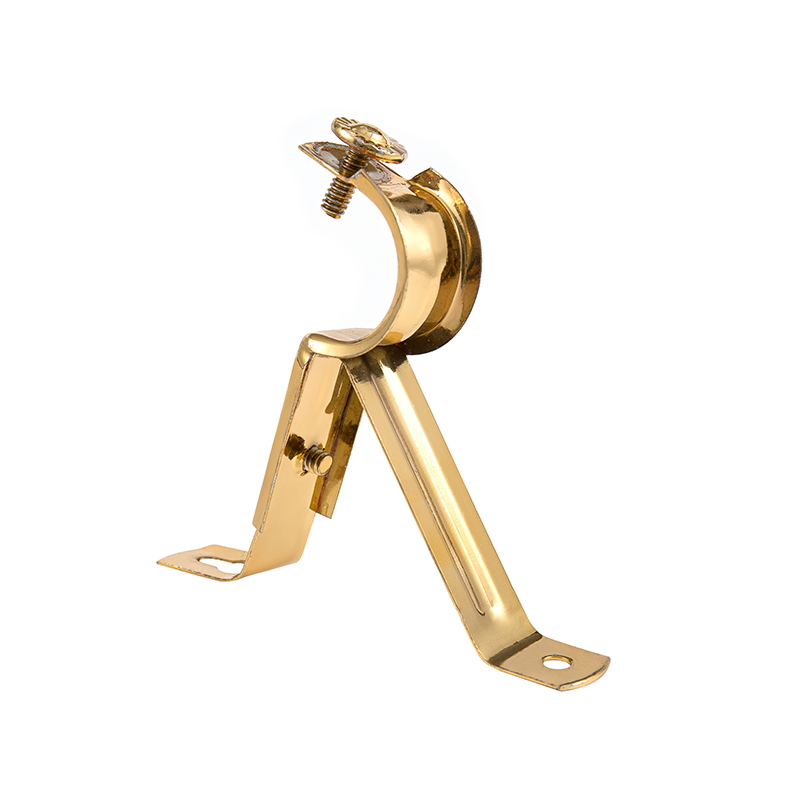
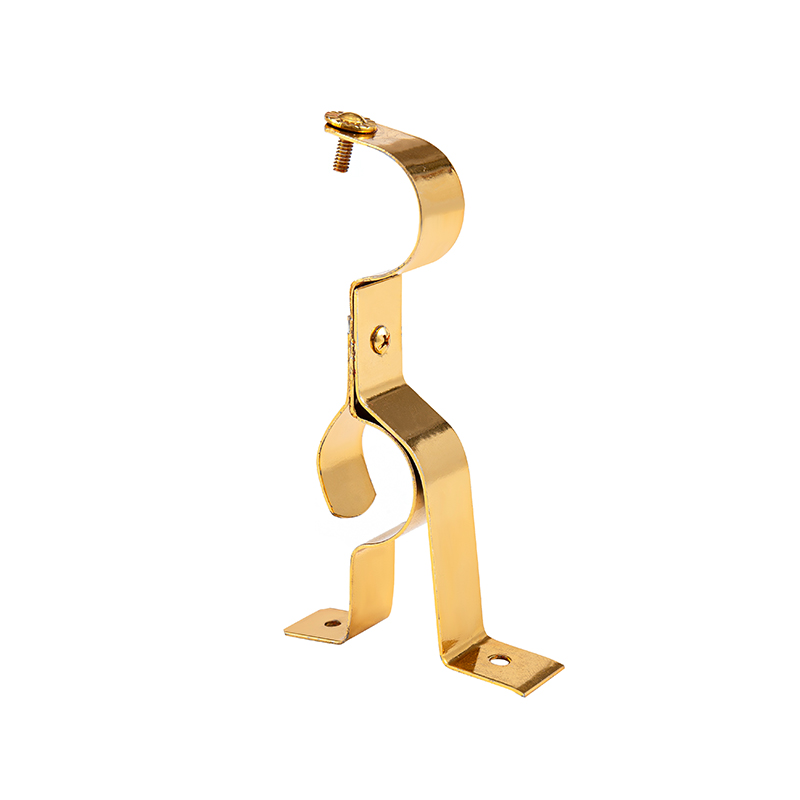
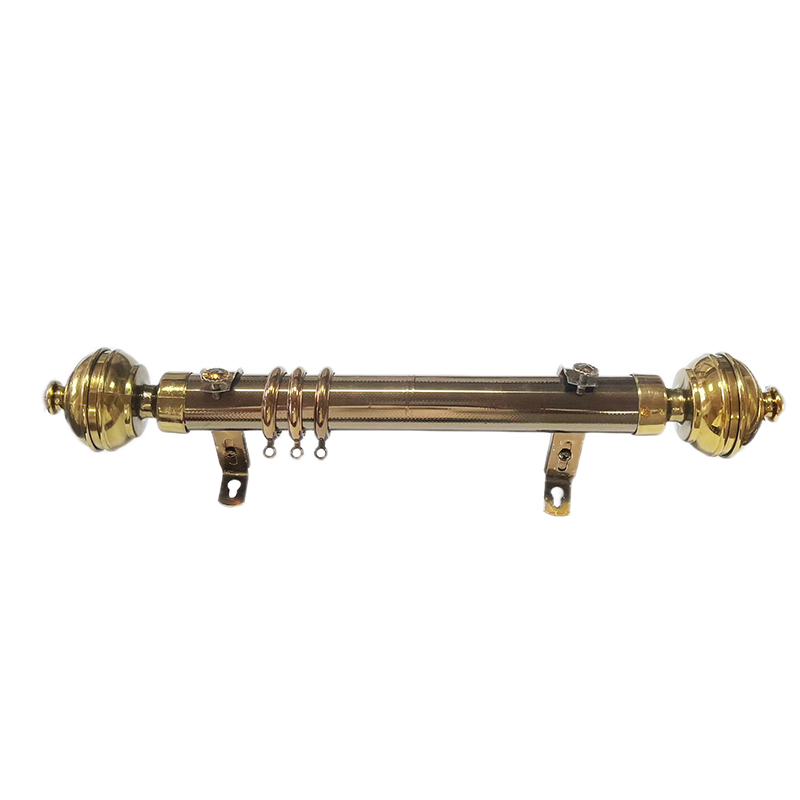
Wall brackets: The most common type, mounted on the wall above the window. They are available in single, double, or even triple configurations for layering.
Ceiling brackets: For ceiling‑mounted rods, these are often used with track systems.
Flush mount brackets: Low‑profile brackets that sit close to the wall, ideal for small spaces or when you want a minimal look.
Bracket Material
Choose brackets made from the same material as the rod (steel, iron, aluminum) for strength and consistent aesthetics. Plastic brackets are less durable and should be avoided for anything other than very light sheers.
Center Supports
For rods longer than 48 inches, a center bracket is essential to prevent sagging. Some rods include a center bracket; if not, purchase one separately. Install it evenly spaced between the two end brackets.
Mounting Hardware
Use appropriate wall anchors for your wall type (drywall, plaster, brick). Many rods come with basic screws and anchors, but upgrading to heavier‑duty anchors can provide extra security.
Style and Finish: Matching Your Decor
While function is paramount, the look of your curtain rod matters too. The rod should complement your curtain fabric, room style, and architectural details.
Metal finishes: Brushed nickel, satin brass, antique bronze, matte black, and oil‑rubbed bronze are popular choices. Match the rod finish to your door hardware, light fixtures, and furniture accents for a cohesive look.
Wood rods: Wooden poles offer a warm, natural look and can be painted or stained to match your trim or furniture. They are often used in traditional, farmhouse, or rustic decor.
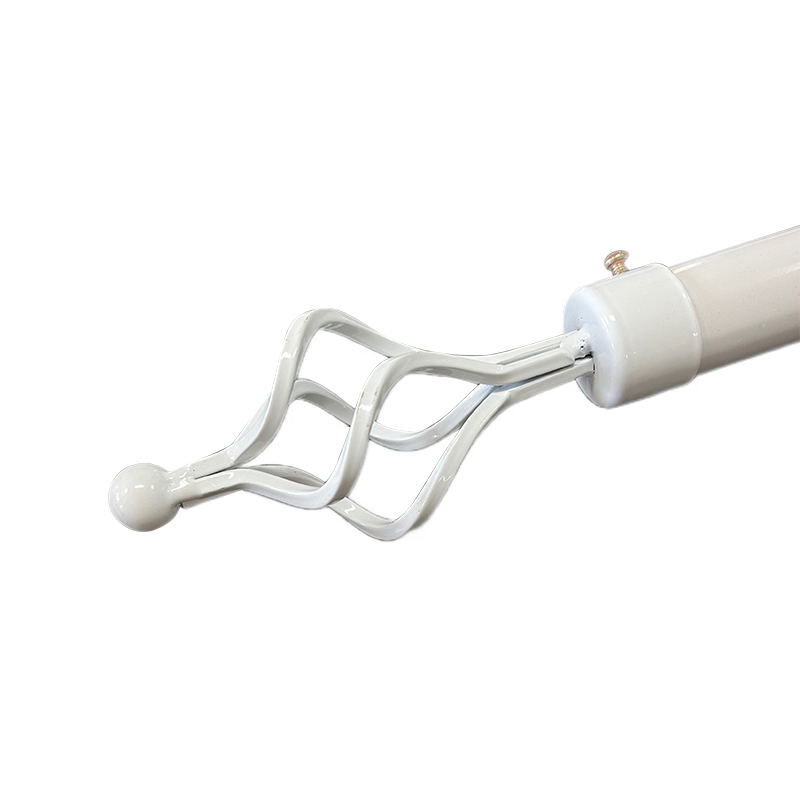
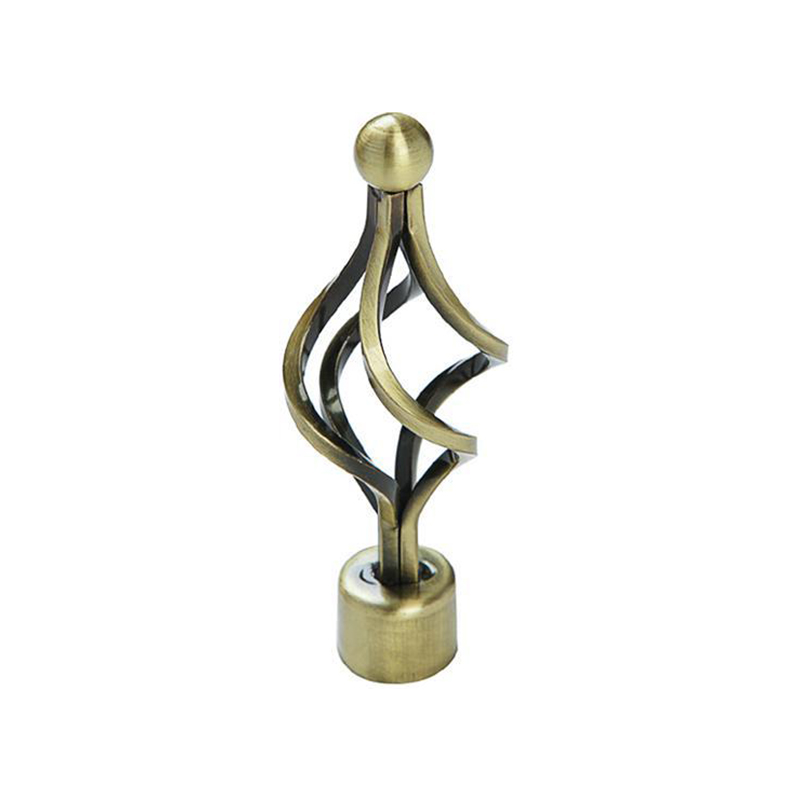
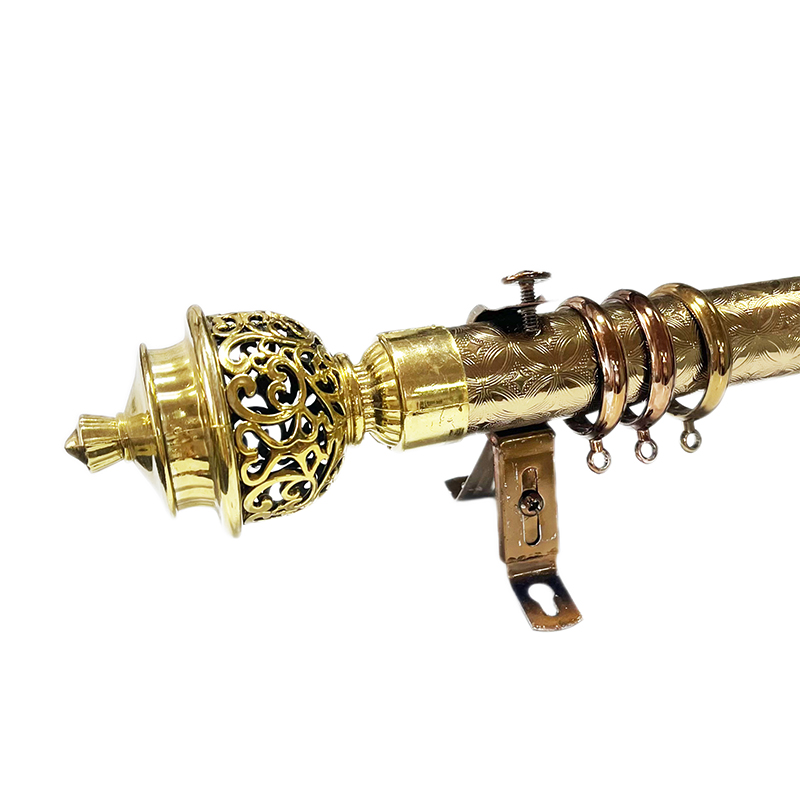
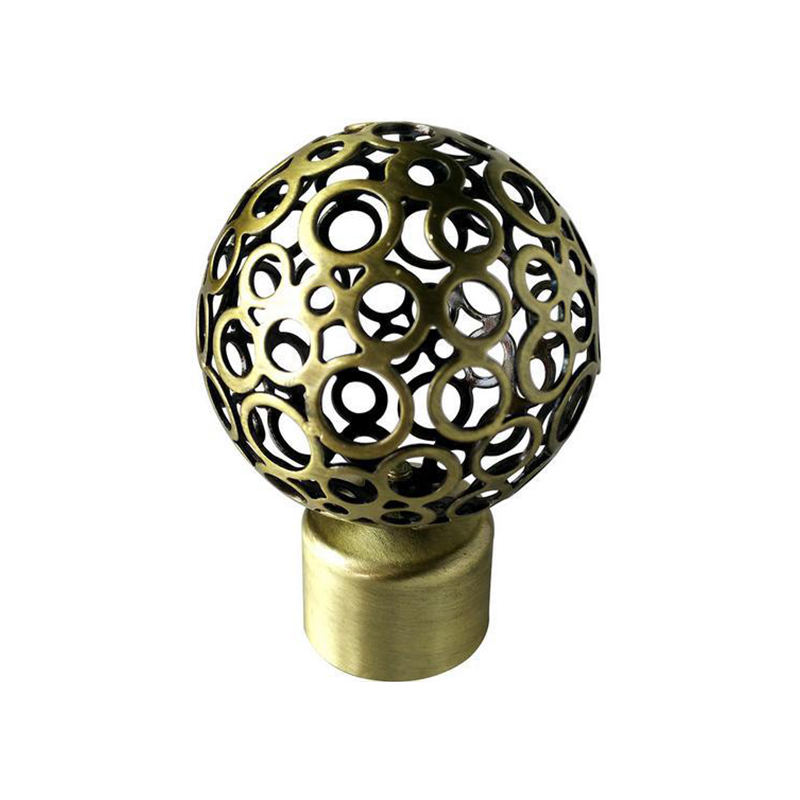
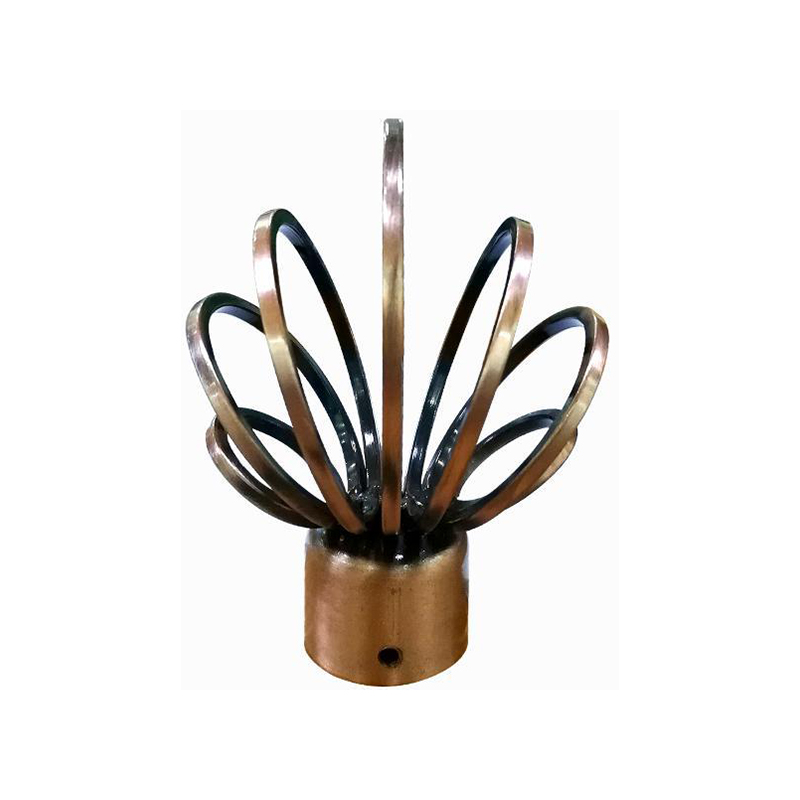
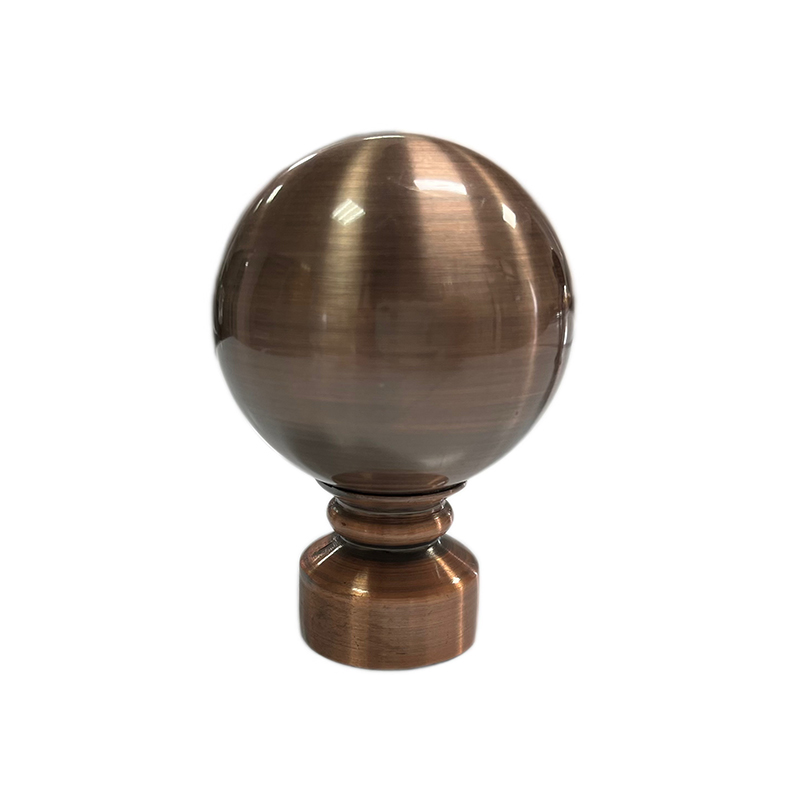
Finials: The decorative caps on the ends of the rod are a small but impactful detail. Choose finials that echo the style of the room—simple spheres for modern, ornate swirls for traditional, and sleek cylinders for contemporary.
Blending or Contrasting: You can either match the rod color to your wall paint for a seamless look, or create a contrast by choosing a finish that stands out (e.g., a black rod on a light wall).
Special Considerations for Different Rooms
Different rooms have different lighting and privacy needs, which influence the rod choice.
Living Room: Often the main focal point, living rooms benefit from decorative rods and a layered look (sheer + drapes). Choose a rod that can handle the weight of lined drapes if you plan to use them.
Bedroom: Blackout curtains are common for light control and privacy. Opt for a thick, sturdy rod (1 inch or more) and ensure the brackets are securely anchored.
Kitchen: Shorter, café‑style curtains or valances are common. A thinner rod (5/8‑3/4 inch) is sufficient, and tension rods can be a good option for inside‑mount installs.
Bathroom: Use a rust‑proof rod (e.g., aluminum or plastic‑coated) and a tension rod for easy installation in the shower or window.
Sliding Doors: Use a heavy‑duty traverse rod or a long, sturdy rod with multiple support brackets. The rod should extend at least 6 inches on each side of the door opening.
Frequently Asked Questions About Curtain Rods
How do I know what size curtain rod to buy?
Measure the width of your window frame, add 6‑12 inches on each side for extensions, and choose a rod with an adjustable range that covers that total width. Also, consider the height: mount the rod 4‑6 inches above the window frame for standard ceilings, and higher for taller ceilings.
Can I use a tension rod for heavy curtains?
No, tension rods are not designed for heavy curtains. They rely on spring pressure and can easily fall if overloaded. Use tension rods only for lightweight sheers or valances.
What is the difference between a curtain rod and a drapery rod?
In professional terms, curtain rods are generally lighter and used for sheers or unlined fabrics, while drapery rods are thicker, stronger, and designed for heavy, lined drapes. In everyday usage, the terms are often used interchangeably.
How far should a curtain rod extend past the window?
Extend the rod 3‑6 inches on each side as a minimum. For a more dramatic look, extend 8‑12 inches. This allows the curtains to stack off the window and lets in more light.
What is a traverse rod and when should I use one?
A traverse rod has a built‑in track and cord system to open and close curtains by pulling a cord. It is ideal for large, heavy drapes or for windows where you want to open and close curtains frequently without touching the fabric.
How many brackets do I need for a curtain rod?
You need at least two brackets—one on each end. For rods over 48 inches, add a center bracket to prevent sagging. For very wide windows (over 80 inches), you may need two or more intermediate supports.
Can I hang curtains without a rod?
Yes, you can use curtain clips on a wire, or use a track system that mounts directly to the ceiling. However, a rod is the most common and flexible option.
Should curtains touch the floor?
Yes, floor‑length curtains should either just kiss the floor (1/4 inch clearance) for a tailored look, or pool slightly (1‑2 inches) for a more casual, luxurious feel. Avoid curtains that hover above the floor.
What if my window is wider than the rod I bought?
You can either return it for a longer rod, or buy a rod connector to join two rods. However, connecting rods may create a visible seam and require a center bracket for support.
Can I paint my curtain rod?
Yes, metal rods can be spray‑painted with metal primer and paint. Wood rods can be painted or stained. Make sure to clean and sand the surface first for proper adhesion.
Do I need a center support for a double curtain rod?
Yes, especially if the combined weight of both sets of curtains is substantial. A center bracket supports both rods and prevents sagging.
What is the best curtain rod for bay windows?
Bay windows require a special curved or bendable rod that can follow the angles of the bay. These rods are often custom‑made or come as adjustable corner rods.