English
 Français
 عربى
عربى
Why Choose a Double Curtain Rod for Blackout Curtains
Homeowners often face a frustrating conflict: they need total darkness for sleep, but they don't want their bedroom to look like a hotel black box during the day. A single rod forces a compromise. You either sacrifice style for function or accept light gaps for aesthetics. A double curtain rod solves this by separating responsibilities. The back rod carries a heavy blackout curtain for light control, while the front rod holds a lighter decorative drape or sheer for appearance. This system gives you full light blocking without making the window treatment look industrial or temporary.
The primary value is functional segregation. The inner blackout layer can be pulled tightly from edge to edge to block the morning sun, while the outer layer remains in place to frame the window. During the day, you slide the blackout panels to the sides and let the sheer layer filter light softly. For spaces like nurseries, home theaters, or west-facing bedrooms, this dual-layer approach is not just a design preference—it is a practical necessity. It also proves more elegant than installing two separate single rod sets, which would crowd the wall space around the window frame.
Understanding Blackout Curtain Fabrics and Weight
Not all blackout curtains stress a rod system equally. The fabric construction directly dictates the weight your hardware must support. The market typically offers three constructions. Triple-weave or sandwich blackout curtains bond a decorative face fabric, a dense black yarn core, and a plain backing. These are soft, drape well, but often weigh between 300 and 450 grams per square meter. Coated blackout curtains, where a latex or acrylic backing is applied to a standard fabric, are lighter, typically around 250 to 350 grams per square meter, but the coating can crack along fold lines over time. The heaviest category involves thermal-insulated or suede-like fabrics that can exceed 500 grams per square meter when covering a large window.
This weight difference matters in a double rod setup. A standard single rod might hold 15 to 20 pounds without sagging, but a full pair of heavy sandwich panels on a 72-inch window can easily approach that limit. Because the blackout layer hangs from the stronger back rod, your structural planning must start with the fabric's total weight, not just the rod diameter. Matching the bracket capacity to the fabric's specific weight prevents gradual bowing and eventual bracket failure.
Double Curtain Rod Hardware Explained: Components and Specs
At first glance, a double rod system looks like two simple poles. The critical component, however, is the bracket that links them. These double brackets feature a base plate that mounts to the wall and two projecting arms with cradle slots. The distance between the front and back cradles is the single most important specification you will choose. If this spacing is too tight, the two layers will rub against each other when you open or close them. If it is too wide, the entire assembly protrudes too far into the room.
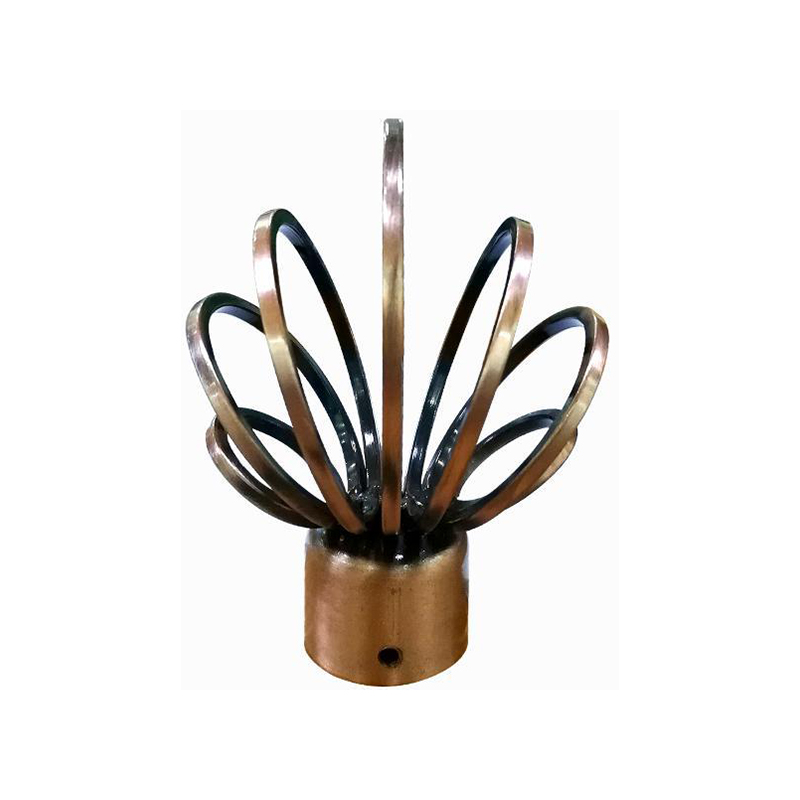
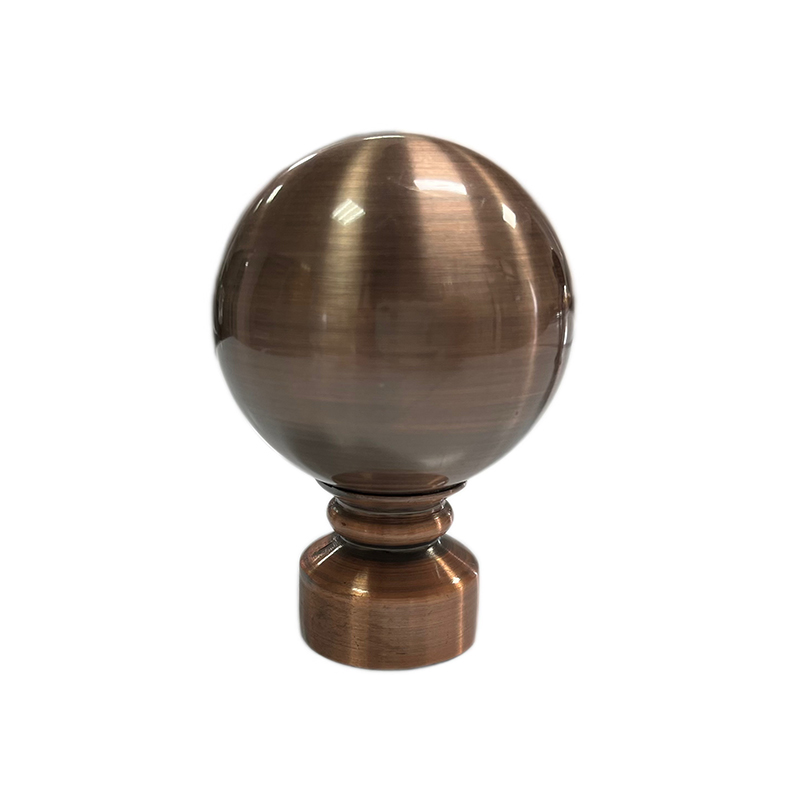
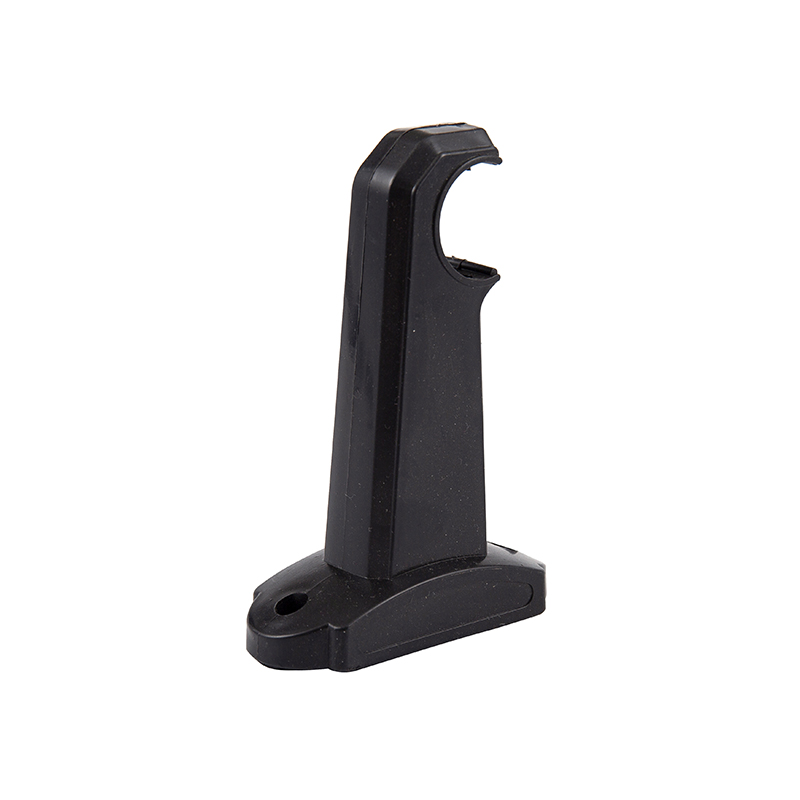
Standard heavy-duty metal double curtain brackets provide a projection from the wall of around 5 to 6 inches, with a cradle-to-cradle spacing of 3 to 4 inches. Plastic brackets exist but lack the rigidity to prevent the arms from flexing downward under tension. Metal cast brackets, particularly those made from zinc alloy or heavy steel, maintain their geometry even when the back rod is loaded with dense blackout fabric. Beyond the bracket, you need to plan for two sets of finials (decorative ends), two rods of potentially different diameters, and the appropriate mounting screws and anchors for your specific wall type. The back rod, which bears the weight, should always have a thicker wall structure or a larger diameter than the front rod if you use dissimilar materials.
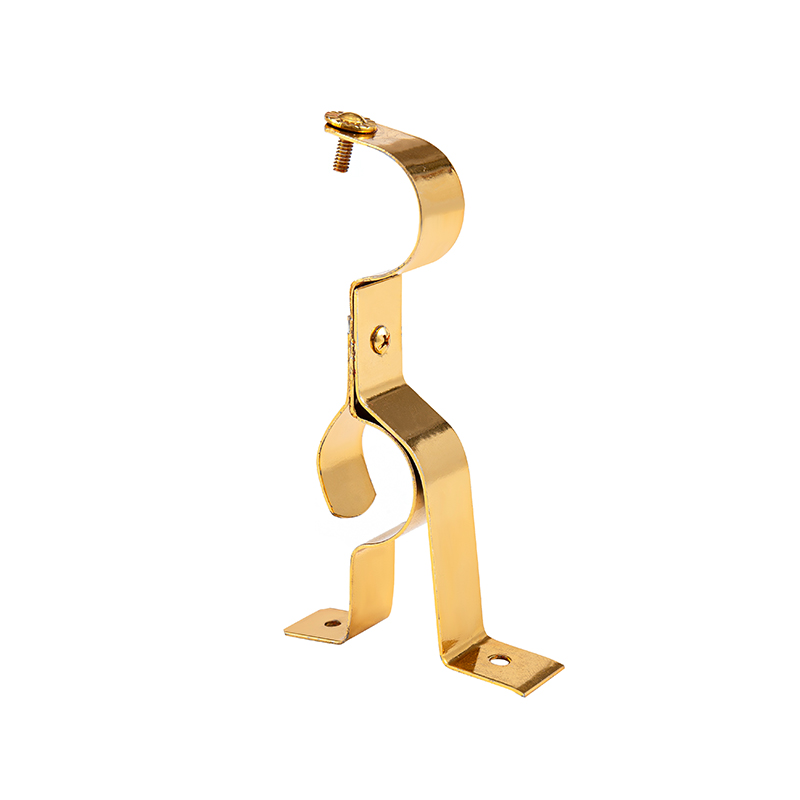 Custom Metal Double Curtain Bracket Suppliers, FactoryZhejiang Riyuexin Trading Co., Ltd. is China custom Metal Double Curtain Bracket suppliers and factory. Curtain Bracket Metal Double Bra...View Product →
How to Choose the Right Double Rod Size and Spacing
A standard measuring mistake is ordering a rod length that exactly matches the window width. When you open the curtains, the stacked fabric will block a significant portion of the glass. To maximize natural light during the day, the rod must extend past the window casing. A reliable formula is to add 10 to 15 inches on each side of the window's casing width. For a 48-inch-wide window, a rod length of 68 to 78 inches allows the blackout panels to stack back fully onto the wall, exposing the glass cleanly.
The spacing between the two rods requires equal care. The back blackout curtain, especially if it has a triple-weave or wave-fold design, will stack back with a depth of 3 to 4 inches when fully open. If the front decorative rod is less than 4 inches away, the gathered blackout fabric will push against the front sheers. This creates friction, making the curtains difficult to operate and causing wear on the fabric edges. For heavy blackout drapes used with a decorative outer layer, a spacing of 5 to 6 inches between the centers of the two rods avoids this conflict while keeping the assembly visually cohesive from the side view. For shallow bay windows or inside mounts, ceiling-mounted brackets with vertical drops are a necessary adaptation.
Matching Rod Material and Finish to Your Layering Needs
Material selection must prioritize the load requirement of the back blackout layer. Iron rods provide the highest load capacity over long spans without center support. A high-quality iron telescoping rod resists deflection even under 20 pounds of suede or velvet blackout fabric. However, iron is heavy and requires robust anchoring into the wall studs. Aluminum rods offer a strategic balance. They resist corrosion, which is beneficial in humid rooms, and their tensile strength is sufficient for most standard blackout panels up to 15 pounds across a standard window. Some aluminum profiles, like decorative crescent aluminum curtain rods, add visual interest without sacrificing the rod's structural integrity, making them suitable as the front decorative element in a layered setup.
 Custom Single Crescent Aluminum Curtain Rod Suppliers, FactoryZhejiang Riyuexin Trading Co., Ltd. is China custom Single Crescent Aluminum Curtain Rod suppliers and factory. A revolution in curved wi...View Product →
PVC-wrapped rods are a cost-conscious entry point but have distinct limits. The internal metal core of a PVC rod tends to be thinner and is not designed for heavy sandwich blackout panels. They work well for the front shear layer or lightweight blackout curtains using coated fabric. The decision framework is simple: identify the back rod material based on the blackout fabric weight, and choose the front rod material based on the decorative fabric weight and the visual design you want to achieve across the two layers. If you need a deeper comparison of aluminum versus iron and PVC across all performance factors, you can read more on which curtain rod material is best for your window.
Step-by-Step: How to Install a Double Rod for Blackout Curtains
Double rod installation is an extension of standard single rod mechanics, with the added layer of precision spacing. If you need a grounding in the fundamentals of marking and anchoring, it is useful to review the full process of how to install a curtain rod from start to finish before you begin. The primary risk in a blackout double rod installation is misjudging the height of the back rod. Blackout drapes are often stiff and straight. If you mount the back rod too low, the hem will stack up on the floor, preventing the panels from sliding smoothly. If you mount it too close to the ceiling, you create a negative visual gap that emphasizes the darkness of the fabric.
The sequential process should be: locate the wall studs or install heavy-duty toggle anchors, mark the center point of the window, and then measure outward to your bracket locations. Use a laser level to ensure the back and front bracket cradles align perfectly across all mounting points. The brackets must be anchored before you set the rods. Load the blackout curtains onto the back rod first. Close them to check that the panels meet fully in the center without buckling. Then, add the front rod and the decorative layer. If the two curtains interfere with each other during operation, you can slightly adjust the front panel overlap, but the root cause is almost always insufficient cradle spacing chosen at purchase, not an installation error.
Curtain Rings vs. Hooks: What Works Best for Two Layers
Operating two independent layers on a double rod demands smooth, quiet, and low-friction hardware. Curtain rings are the clear winner over hooks in this configuration. Hooks require you to pinch the fabric to move the curtain, which is awkward when you have to reach past a decorative front layer to adjust the back blackout panel. Rings with built-in eyelets or clip attachments allow you to grasp the ring itself to slide the fabric. The critical hardware choice here is the ring’s inner diameter. If the ring fits too snugly over the rod, the friction will cause the heavy blackout fabric to bunch up and resist movement.
Selecting standard curtain rings for two-layer drapery that offer a minimum of a quarter-inch clearance over the rod diameter eliminates this friction. Smooth-gliding rings also reduce the noise created when multiple metal rings travel across the metal rod at the same time, a common annoyance in bedrooms if one person opens the curtains while the other sleeps. Integrated rings with a sewn-in tape strip can further simplify the process of attaching heavy back panels, removing the trial-and-error of spacing out separate clip rings evenly across a dense blackout header.
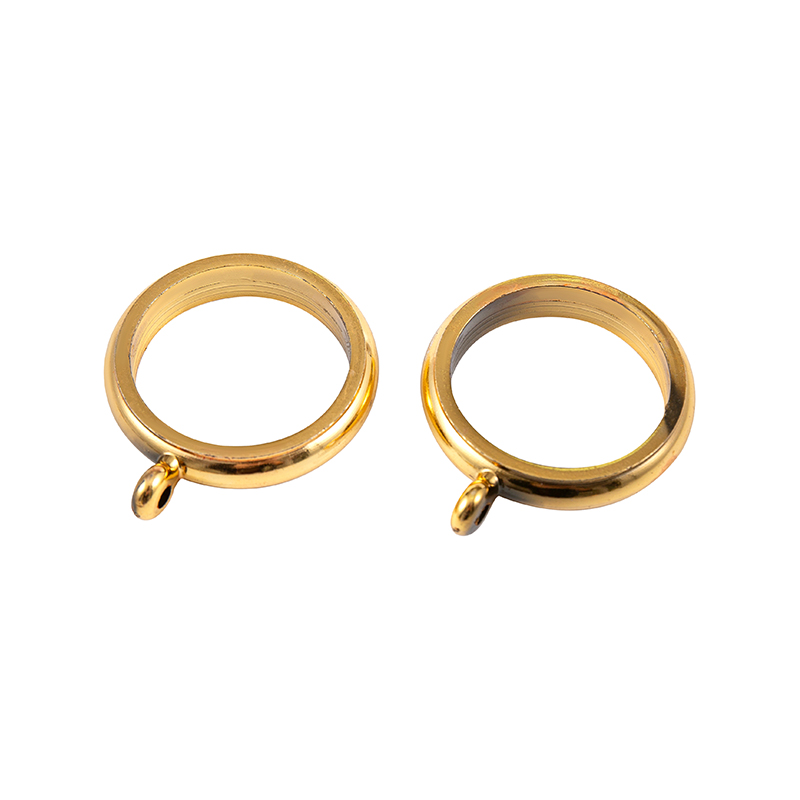
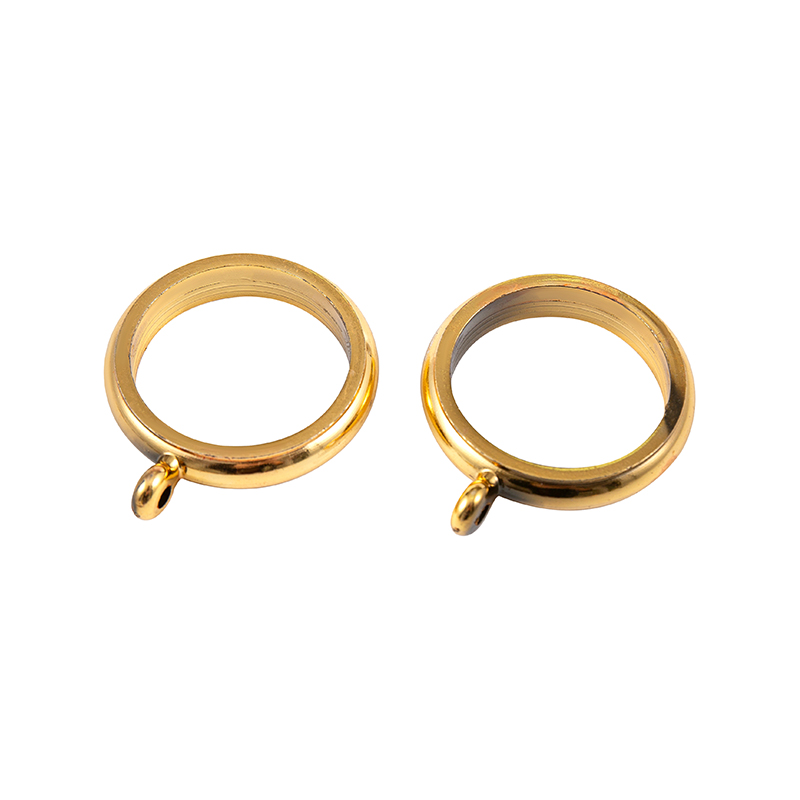 Custom Standard Curtain Rings Suppliers, FactoryZhejiang Riyuexin Trading Co., Ltd. is China custom Standard Curtain Rings suppliers and factory. Material: Main body: ABS plastic/zinc...View Product →
Layering Ideas and Styling Tips for Double Rod Blackout Curtains
The classic approach pairs a sheer white front curtain with a dark, utilitarian blackout back curtain. But the double rod structure allows for more nuanced environmental control. In a deep west-facing window where heat is as much a problem as light, install a reflective or thermal-insulated blackout curtain on the back rod. During summer, keep the blackout layer closed during peak sun hours and use a light, unlined linen curtain on the front rod. The front linen diffuses the remaining heat while maintaining air circulation, and the back layer reflects the radiant heat outward.
Another practical layering function is zonal control. In a shared space, you might use a floor-to-ceiling blackout panel on the back rod to completely darken one side, while leaving a semi-sheer privacy layer on the front rod across the entire span. This gives one area near-total darkness while the rest of the room retains soft daylight. Matching the finial designs across both rods, for example using a consistent brushed nickel or matte black finish, unifies the two layers visually so the window treatment reads as a single, deliberate installation. You can also exploit the dual rods seasonally: mount a thicker, thermal flannel front curtain in winter over the blackout back panel, then switch the front layer to a lightweight, textured cotton in spring.
Common Mistakes to Avoid When Using a Double Rod with Blackout Curtains
The most costly mistakes occur before the hardware comes out of the box. A widespread error is treating a double rod as a purely cosmetic accessory and selecting brackets with a 2-inch or 3-inch cradle gap. When heavy blackout fabric stacks back, its compressed depth easily exceeds that gap. The result is a tangled, immobile curtain system that requires two hands and a lot of patience to move. A gap of at least 5 inches between rod centers resolves this issue before it starts.
Another frequent oversight involves the decorative finials. Standard finials project 2 to 4 inches past the bracket. If you follow the formula of "window width plus 12 inches" for rod length but neglect to account for the finial space, your usable curtain track shortens significantly. The blackout panel may not be able to clear the glass when fully open. Light gaps at the edges are a separate, related problem. Even a perfectly installed double rod cannot fix a blackout curtain that is too narrow. The panels must extend 3 to 5 inches past the window casing on each side and collect tightly against the wall. For a detailed breakdown of these standardized placement rules, refer to the standard curtain rod height and width rules. Finally, plastic double brackets are a structural failure point when paired with blackout drapes. The constant tension of the heavy back layer will cause plastic arms to crack or sag, rendering the entire double layer setup unusable.
Conclusion
A double rod blackout curtain configuration resolves the classic tension between a dark, restful interior and a well-designed living space. It works by dedicating specific hardware to each distinct function: the back rod secures the light-blocking mass, and the front rod carries the visual styling. The success of the entire system, however, starts and ends with the bracket. The spacing between the two rods determines whether the layers will operate cleanly or bind together. The bracket material determines whether the assembly can hold the weight of a dense insulated curtain over years of daily use.
The decision chain is logical and repeatable. First, define the blackout fabric weight and texture. Second, select a metal bracket system with a generous cradle spacing. Third, match a high-capacity rod material to the back layer. Finally, install with wall anchors that exceed the load and confirm the extended rod length allows full fabric stack-back without blocking the window. When you prioritize these hardware fundamentals, the layered window treatment delivers on both the promise of true darkness and the warmth of considered interior design.